
Why This Question Matters More Than It Seems
For many people, a growing savings account balance feels like unambiguous good news. And in many ways, it is. But at a certain point, more cash in savings stops delivering proportional benefit - and starts carrying its own set of costs.
This isn't about discouraging saving. It's about recognizing that where your money sits matters as much as how much you accumulate. Understanding the tradeoffs helps you make a more deliberate choice rather than defaulting to liquid cash simply because it feels secure.
If you're still working on establishing basic savings habits, our look at common savings myths is a helpful starting point. But if you already have a cushion and are wondering whether you have too much parked in cash, read on.
The Real Advantages of Keeping Cash on Hand
Before examining the downsides, it's worth being clear about why liquid savings genuinely matter.
Immediate access in an emergency
Liquid savings can be accessed quickly without penalties or waiting periods, making them essential when unexpected expenses arise. This reduces the risk of going into high-interest debt during a financial disruption.
Reduces financial stress and improves decision-making
Research in behavioral economics suggests that financial security buffers improve overall decision quality by reducing anxiety. A cash reserve can prevent reactive, costly financial moves made under pressure.
Protects against income disruption
If you experience job loss, reduced hours, or a gap between contracts, readily available cash allows you to meet essential expenses without drawing down retirement accounts or selling investments at an inopportune time.
Useful for near-term savings goals
Money you plan to spend within one to three years - on a home purchase, car, or tuition - is generally better kept in liquid, low-risk accounts rather than exposed to market volatility.
The case for cash isn't just psychological - it's structural. When your savings are liquid, you have real options in a crisis. You can cover a car repair, a medical bill, or a gap in income without touching an investment account or carrying high-interest debt. That flexibility has concrete financial value.
How much is enough? Many financial educators suggest three to six months of essential expenses as a baseline emergency fund, though your ideal amount may differ. See our savings buffer checklist to assess where you stand.
Where Excess Cash Becomes a Liability
Once you've funded a solid emergency reserve and set aside cash for near-term goals, additional cash in a standard savings account starts working against you in subtle but meaningful ways.
Inflation erodes purchasing power over time
When a savings account's interest rate is lower than the inflation rate, the real value of that cash declines each year. A dollar that buys $1.00 worth of goods today may only buy $0.97 worth in a few years - a gradual but compounding loss.
Opportunity cost of idle capital
Money held in low-yield savings isn't growing at the same potential rate as money deployed in other vehicles appropriate to your risk tolerance and timeline. Over years or decades, this gap can be significant.
Low interest rates on standard accounts
Many traditional savings accounts pay interest rates well below inflation. Unless you've moved to a higher-yield option, you may be accepting a poor return by default rather than by deliberate choice.
Can obscure actual financial progress
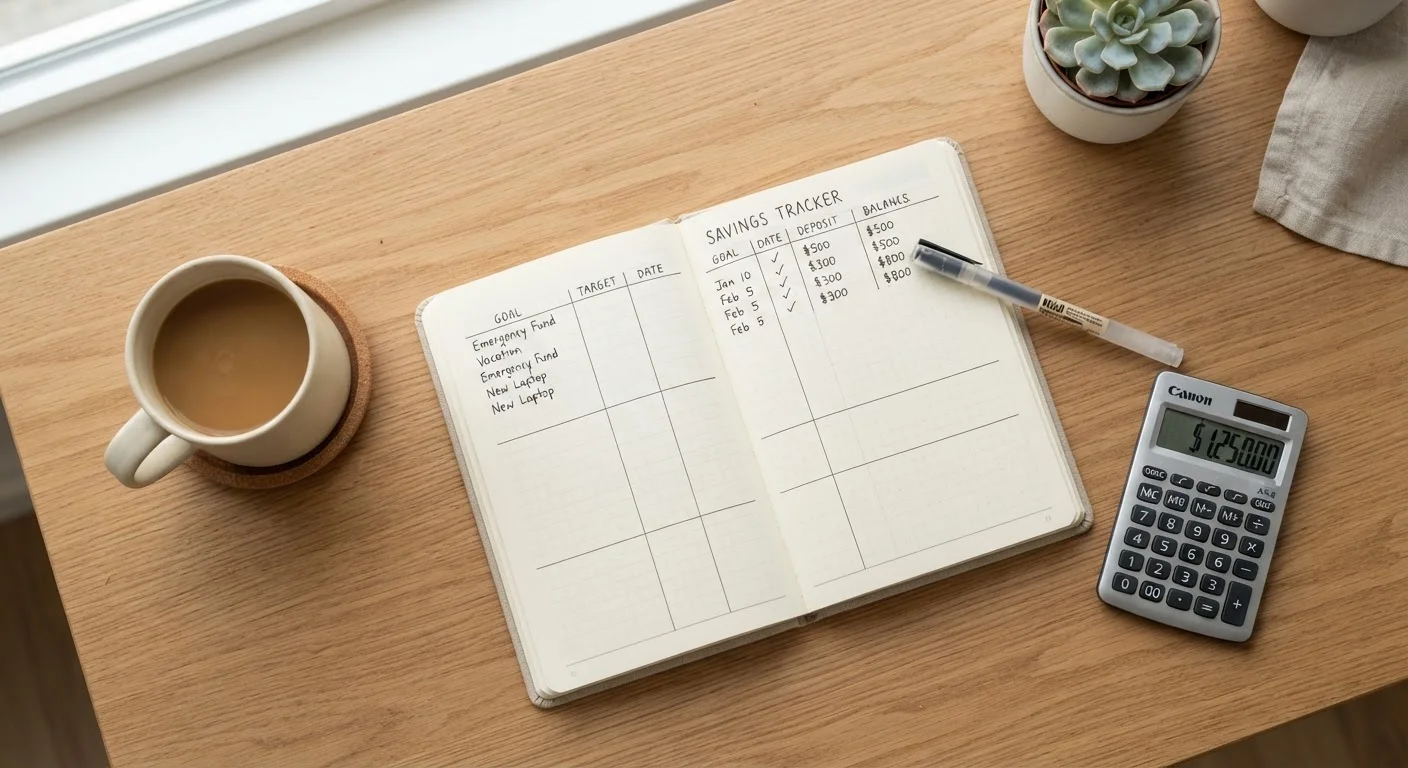
A large, undifferentiated cash balance makes it harder to track whether you're on pace for specific goals. Without clear buckets, it's easy to underestimate how much you've spent or overestimate how well-prepared you are.
May delay wealth-building milestones
Funds kept in savings indefinitely rather than directed toward long-term goals - such as retirement contributions - can slow progress toward financial independence. Time in the market, even at modest amounts, matters for compound growth.
3-6 months
Commonly recommended emergency fund range
Many financial education resources, including those from nonprofit financial counseling organizations, cite three to six months of essential expenses as a general emergency fund target.
~2-5%
Typical U.S. inflation range in recent years
U.S. inflation, as measured by the Consumer Price Index (CPI), has varied considerably in recent years - meaning the real return on low-yield cash savings can be meaningfully negative in some periods.
The core problem is purchasing power. Inflation - even at moderate levels - reduces what each dollar can actually buy. If your savings account interest rate trails the inflation rate, the real value of your balance shrinks over time, even as the number on your statement grows. This is sometimes called a "silent tax" on idle cash.
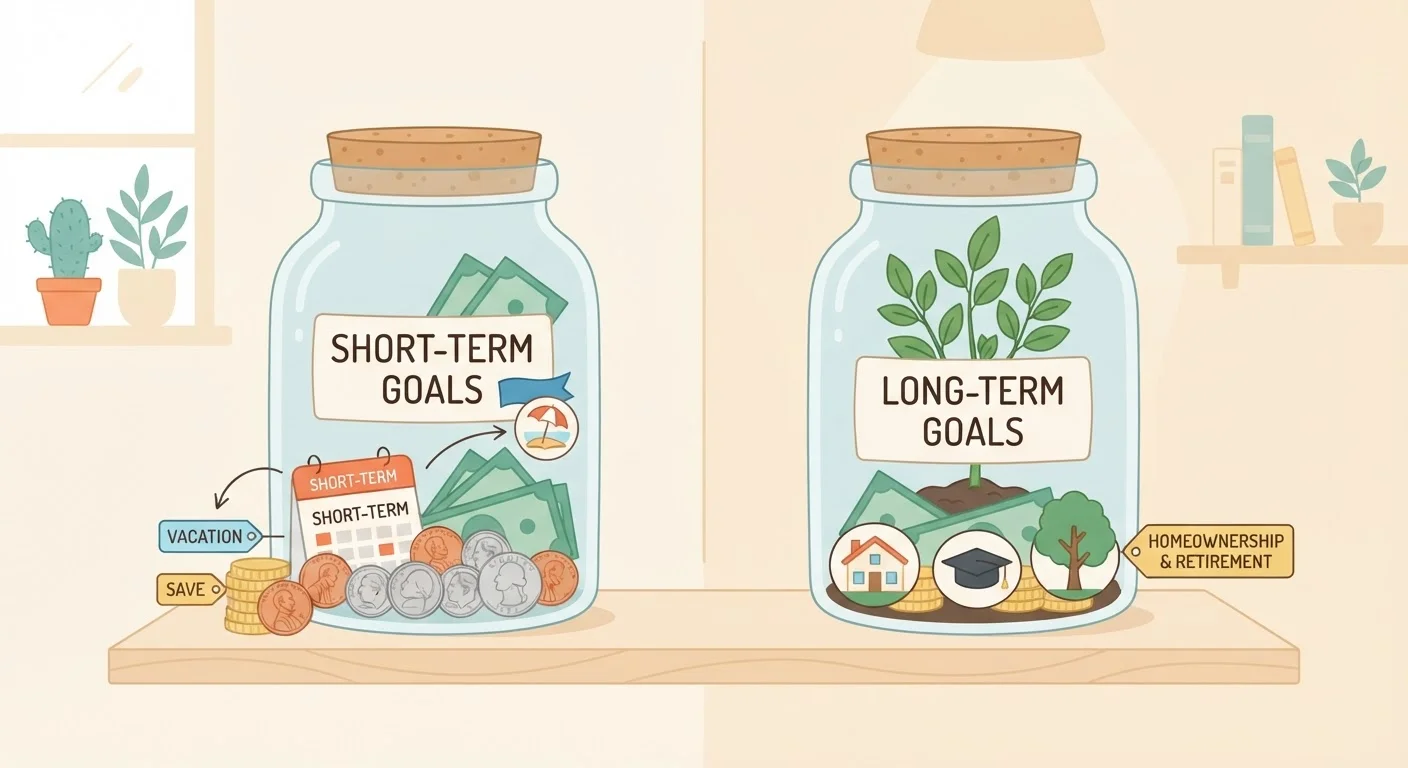
It's also worth noting that keeping excess funds liquid can blur the line between money designated for goals and money available for spending - which can make disciplined saving harder, not easier. For a closer look at how to structure different savings priorities, see our guide on short-term vs. long-term savings goals.
Finding the Right Balance for Your Situation
There's no universally correct cash reserve amount - but there are useful questions to ask yourself:
- Is my emergency fund fully funded? If not, building it up is the priority.
- Do I have any large planned expenses in the next one to three years? Cash earmarked for near-term goals (a down payment, a car, tuition) belongs in a liquid or low-risk account.
- What's left after those buckets are full? That remaining cash is worth evaluating more carefully.
If you find you're holding significantly more than your emergency fund and near-term goal reserves, you may want to explore whether other savings or investment vehicles - with different risk and return profiles - could be a better fit for the excess. Consulting a licensed financial adviser is a sound step before making those decisions.
This Is General Information, Not Personal Advice
The right amount of cash to hold depends heavily on your income stability, expenses, dependents, risk tolerance, and financial goals. The concepts here are meant to inform your thinking, not prescribe a specific strategy. Before making changes to how you allocate savings, consider speaking with a licensed financial adviser who can review your full picture.
On the savings account side, it's also worth checking whether your current account is competitive. Standard savings accounts and high-yield savings accounts can differ substantially in interest rates - our comparison of high-yield vs. traditional savings accounts breaks down how they differ.
This article is for general informational purposes only and does not constitute personalized financial, investment, or tax advice. Consult a qualified financial professional before making decisions about your savings or investments.