
What Debt Consolidation Actually Means
Debt consolidation is the process of combining multiple existing debts - typically credit cards, medical bills, or personal loans - into a single new loan or repayment plan. Instead of managing several due dates, minimum payments, and interest rates, you make one payment each month toward one balance.
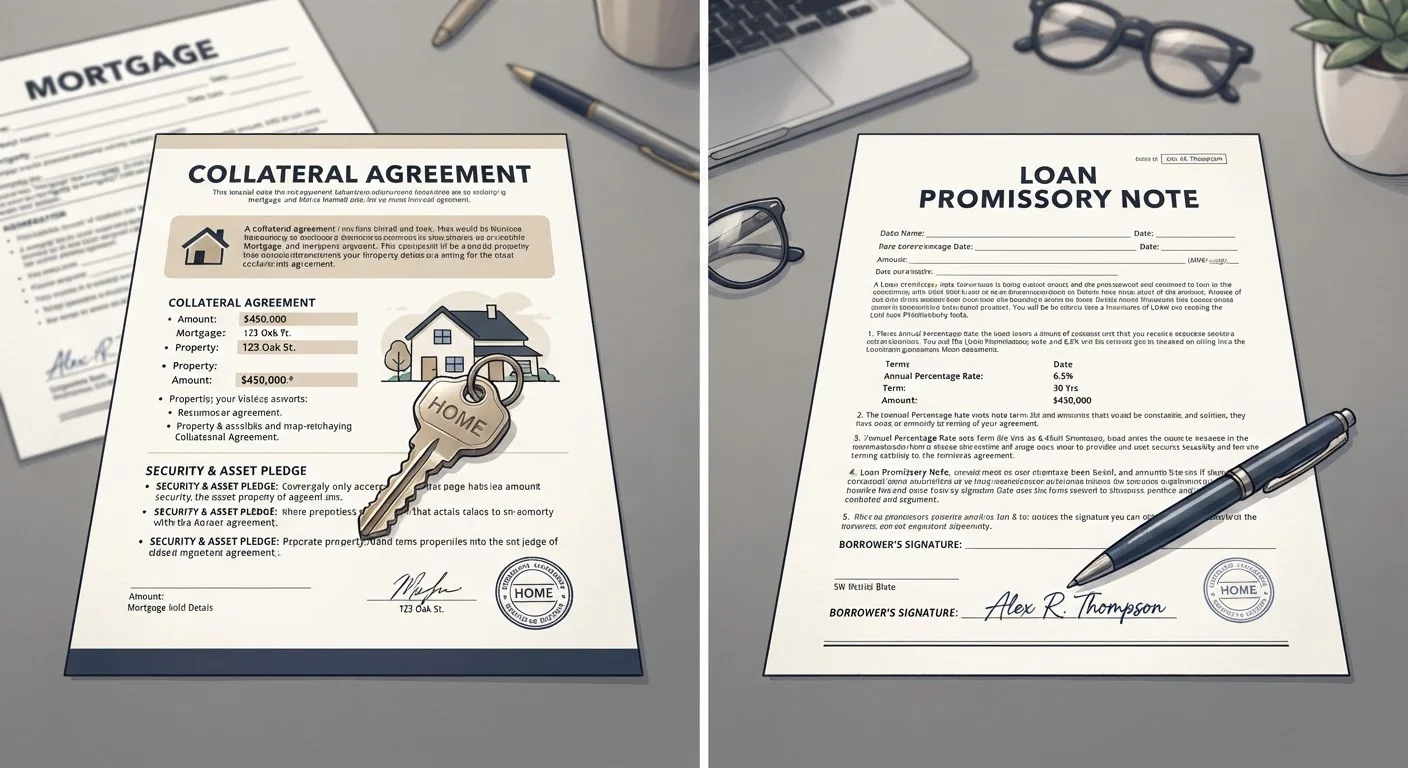
The most common vehicles for consolidation include personal loans, balance transfer credit cards, and home equity loans. Each comes with different eligibility requirements, interest rates, and risks. For example, a home equity loan uses your property as collateral, which introduces different stakes than an unsecured personal loan. To understand how collateral changes your exposure, see how secured and unsecured debt differ.
Consolidation is not the same as debt settlement or debt forgiveness. The full balance is still owed - it has simply been restructured under new terms.
The Real Advantages
When used strategically, consolidation offers concrete financial benefits worth considering.
Simplifies repayment into one monthly payment
Managing a single due date and balance eliminates the risk of overlooking payments across multiple accounts, which can reduce late fees and stress.
May lower your effective interest rate
If you qualify for a consolidation loan with a lower rate than your current debts carry, you could pay less in interest over time - particularly relevant for high-interest credit card balances.
Can reduce your monthly minimum payment
A longer repayment term on a consolidation loan often lowers the required monthly outlay, which can free up cash flow for emergencies or essentials.
Provides a clear payoff timeline
Unlike revolving credit card debt, most consolidation loans have a fixed end date, giving borrowers a defined finish line rather than an open-ended repayment cycle.
20%+
Average credit card interest rate in the U.S.
Federal Reserve data has consistently shown average credit card rates well above 20%, making rate reduction the primary argument for consolidation for card-heavy borrowers.
3-5 years
Typical personal loan repayment term
Most personal consolidation loans carry terms between 36 and 60 months, offering a predictable payoff horizon compared to minimum-payment credit card repayment.
Beyond the numbers, simplification has real psychological value. Managing one payment instead of five reduces the cognitive load that often leads to missed due dates and late fees.
The Drawbacks You Shouldn't Overlook
Consolidation has a way of looking more appealing than it is on paper. These are the trade-offs that matter.
May increase total interest paid over time
A lower monthly payment often comes with a longer loan term. Even at a reduced rate, stretching repayment out by several years can mean paying more interest in total than you would have otherwise.
Upfront fees can offset savings
Origination fees, balance transfer fees, and closing costs (especially on home equity loans) can add hundreds or thousands of dollars to the cost of consolidation, reducing or eliminating the financial benefit.
Qualification depends heavily on credit
The most favorable consolidation rates go to borrowers with strong credit histories. If your credit score is low, you may only qualify for terms that are not meaningfully better than your current debts.
Doesn't address the root cause of debt
Consolidation restructures debt but does not change spending patterns or income constraints. Without those changes, many consumers accumulate new debt on cleared accounts within a few years.
Secured options put assets at risk
Home equity loans and similar products convert unsecured debt into debt backed by your home. Defaulting could result in foreclosure - a far more serious consequence than missing a credit card payment.
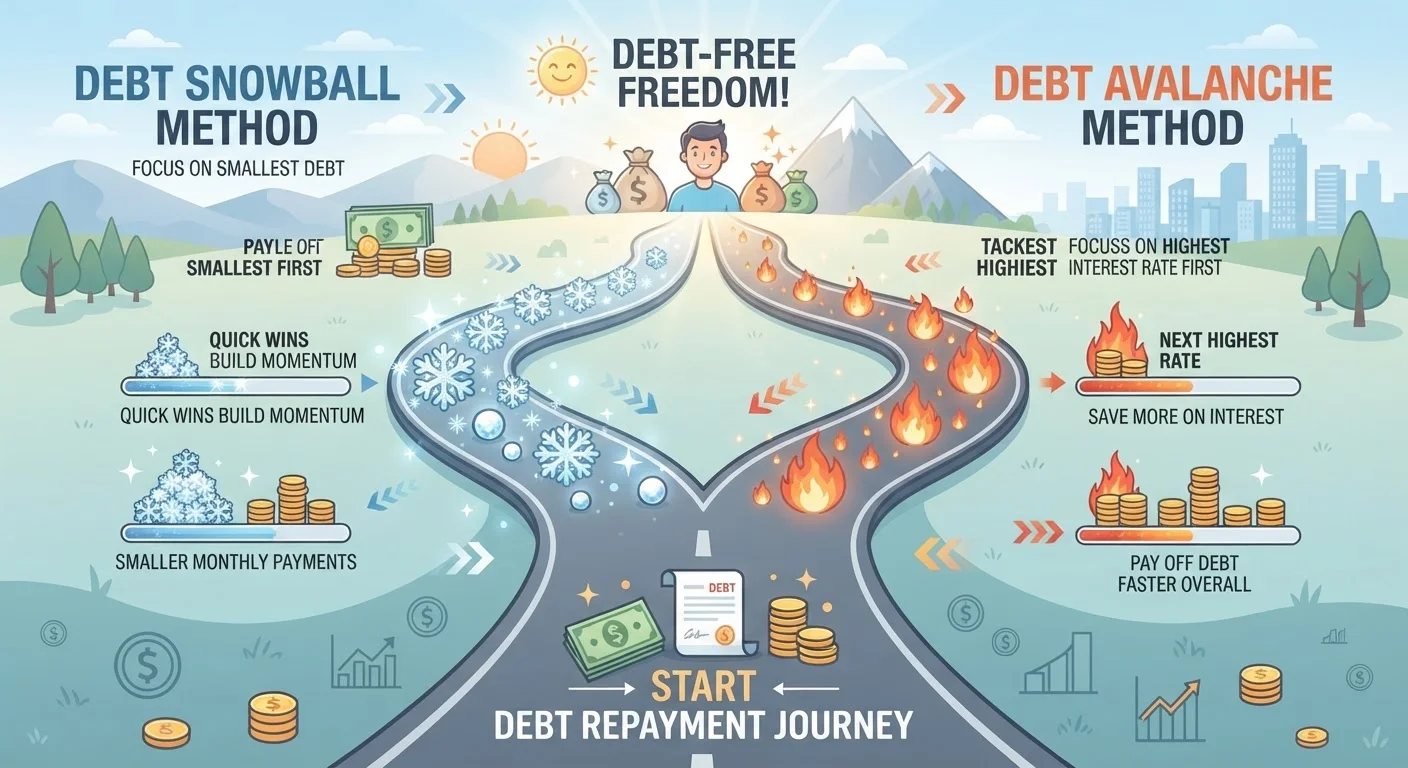
One of the most common patterns: after consolidating credit card debt onto a loan, consumers gradually run up the card balances again - ending up with more total debt than before. Consolidation does not fix the behaviors or circumstances that led to the debt in the first place. If you're evaluating repayment strategies more broadly, a comparison of the debt avalanche and debt snowball methods may also be worth reviewing.
Nonprofit Credit Counseling Is an Alternative
If you don't qualify for a favorable consolidation loan, nonprofit credit counseling agencies offer Debt Management Plans (DMPs) that negotiate reduced rates with creditors and consolidate payments without requiring a new loan. These are different from for-profit debt settlement companies, which carry their own risks. Look for agencies accredited by the National Foundation for Credit Counseling (NFCC).
When Consolidation Makes Sense - and When It Doesn't
Consolidation tends to work in your favor when all of the following are true: you qualify for an interest rate noticeably lower than your current weighted average, your income is steady enough to sustain regular payments, and you're committed to not adding new debt to the accounts you've just cleared.
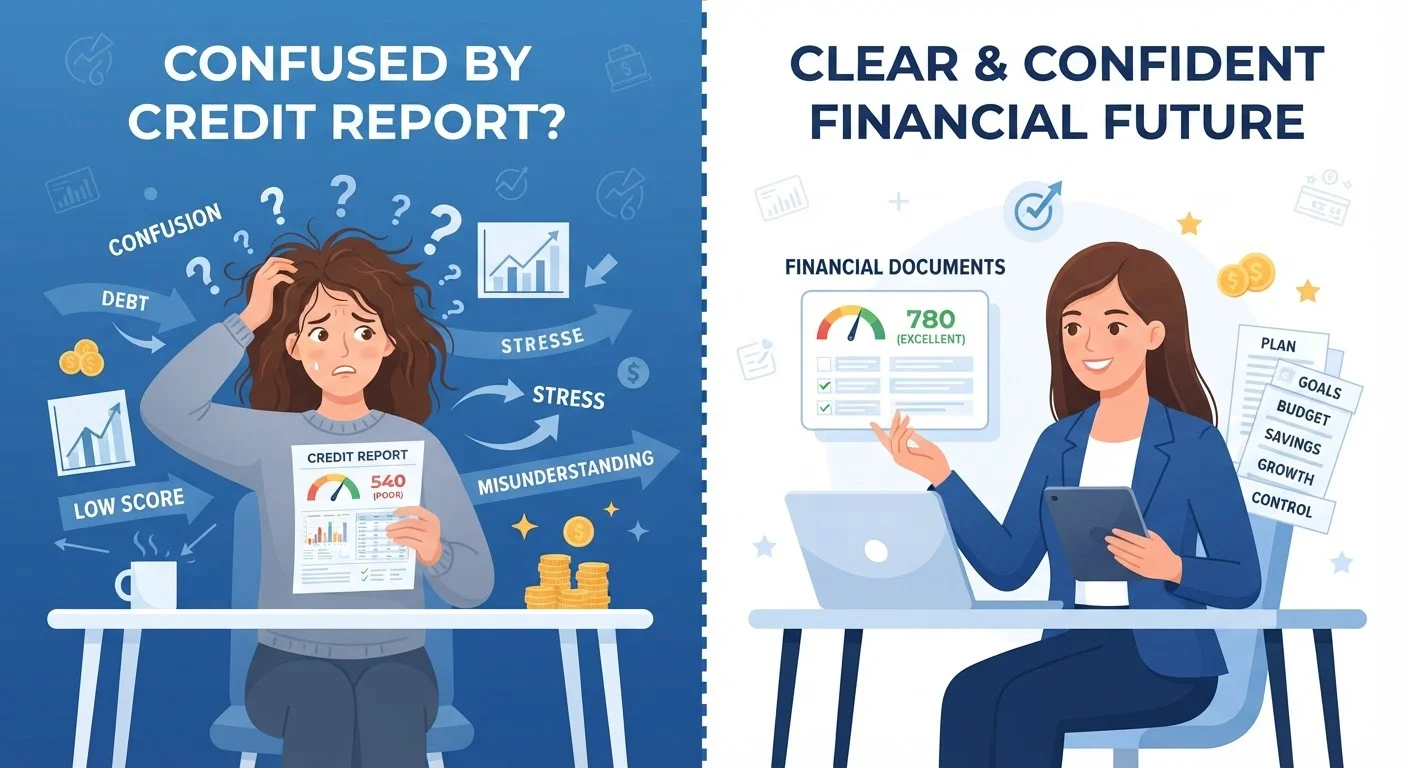
It makes less sense if you're close to paying off your existing debts already, if the fees and origination costs eat up the interest savings, or if the only terms you qualify for are not much better than what you currently have. Your credit score plays a significant role in determining what rate you'll be offered - and there are many common misconceptions about how credit scores work that can lead people to misread their own position.
If debt has already been sent to a collection agency, consolidation is typically not an option for that account. Understanding what happens when debt goes to collections can help you assess which debts are still eligible for restructuring.
This article is for general informational purposes only and does not constitute personalized financial or legal advice. Consult a licensed financial professional before making decisions about your debt repayment strategy.