What Makes Debt 'Secured' or 'Unsecured'
The distinction between secured and unsecured debt comes down to one question: Is a specific asset pledged as collateral? If yes, the debt is secured. If the lender is relying solely on your promise to repay - backed by your credit history and income - the debt is unsecured.
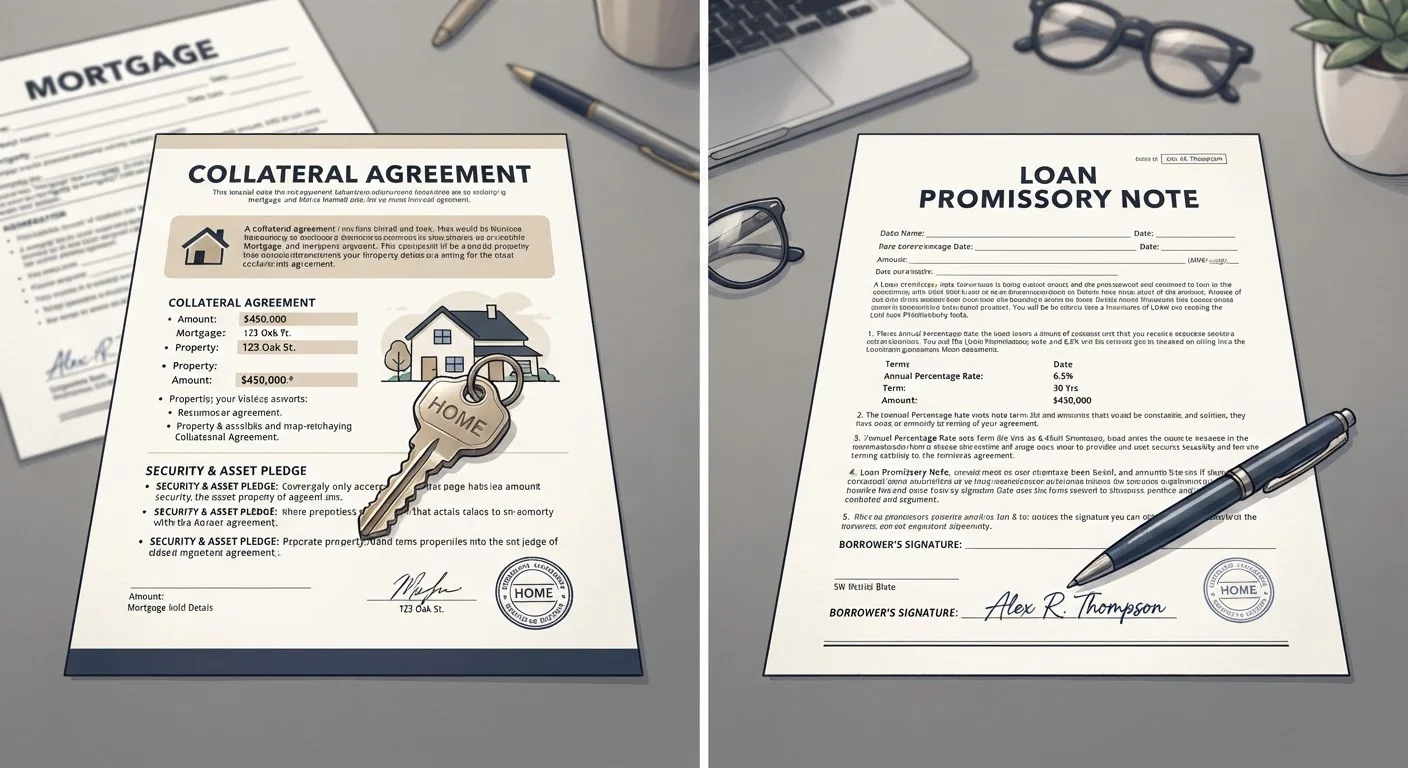
With a secured loan, the lender holds a legal interest in the collateral until the debt is repaid. Common examples include mortgages (where the home is collateral) and auto loans (where the vehicle is collateral). If you stop making payments, the lender has a defined legal path to recover that specific asset - through foreclosure on a home or repossession of a vehicle.
With unsecured debt, there's no such asset tied to the obligation. Credit cards, personal loans, medical bills, and student loans (in most cases) are unsecured. Lenders extend credit based on your creditworthiness - your credit score, income, and debt-to-income ratio - rather than a pledge of property.
| Criterion | Secured Debt | Unsecured Debt |
|---|---|---|
| Collateral required | Yes - specific asset pledged | No - based on creditworthiness |
| Typical interest rates | Generally lower | Generally higher |
| Common examples | Mortgage, auto loan | Credit card, personal loan, medical bill |
| Default consequence | Repossession or foreclosure | Credit damage, potential lawsuit or garnishment |
| Lender evaluation focus | Borrower profile + collateral value | Credit score, income, debt-to-income ratio |
| Risk to specific assets | High - pledged asset at stake | Lower - no single asset directly at risk |
How Each Type Affects Your Risk and Your Costs
The presence or absence of collateral shapes both the price you pay to borrow and the consequences you face if things go wrong.
Interest Rates
Because secured lenders can recover collateral, they take on less risk - and they price that lower risk into the loan. Mortgages and auto loans generally carry significantly lower interest rates than unsecured products like credit cards or personal loans. Unsecured lenders compensate for the higher risk of non-repayment by charging more.
~$1.1T
Total U.S. revolving consumer credit outstanding
According to Federal Reserve data, revolving credit - largely unsecured credit card debt - represents a substantial portion of American household obligations.
3-5x
Rate gap: credit cards vs. mortgages
Average credit card APRs have historically been several times higher than average 30-year fixed mortgage rates, illustrating how collateral pricing affects borrowing cost.
Consequences of Default
Defaulting on a secured debt triggers a specific, asset-level consequence. Miss enough mortgage payments and your lender can foreclose on your home. Stop paying your auto loan and the vehicle can be repossessed, sometimes very quickly. These outcomes can happen in addition to credit score damage.
Defaulting on unsecured debt is still serious - it damages your credit, can result in lawsuits, and may lead to wage garnishment in some states - but there's no single asset the creditor can automatically seize. For a deeper look at what happens after missed payments escalate, see what happens when a debt goes to collections.
How Lenders Evaluate Each Type
When you apply for a secured loan, lenders evaluate both you and the collateral. For a mortgage, that means an appraisal of the property alongside a review of your credit, income, and debts. The loan-to-value ratio - how much you're borrowing compared to the asset's worth - matters significantly.
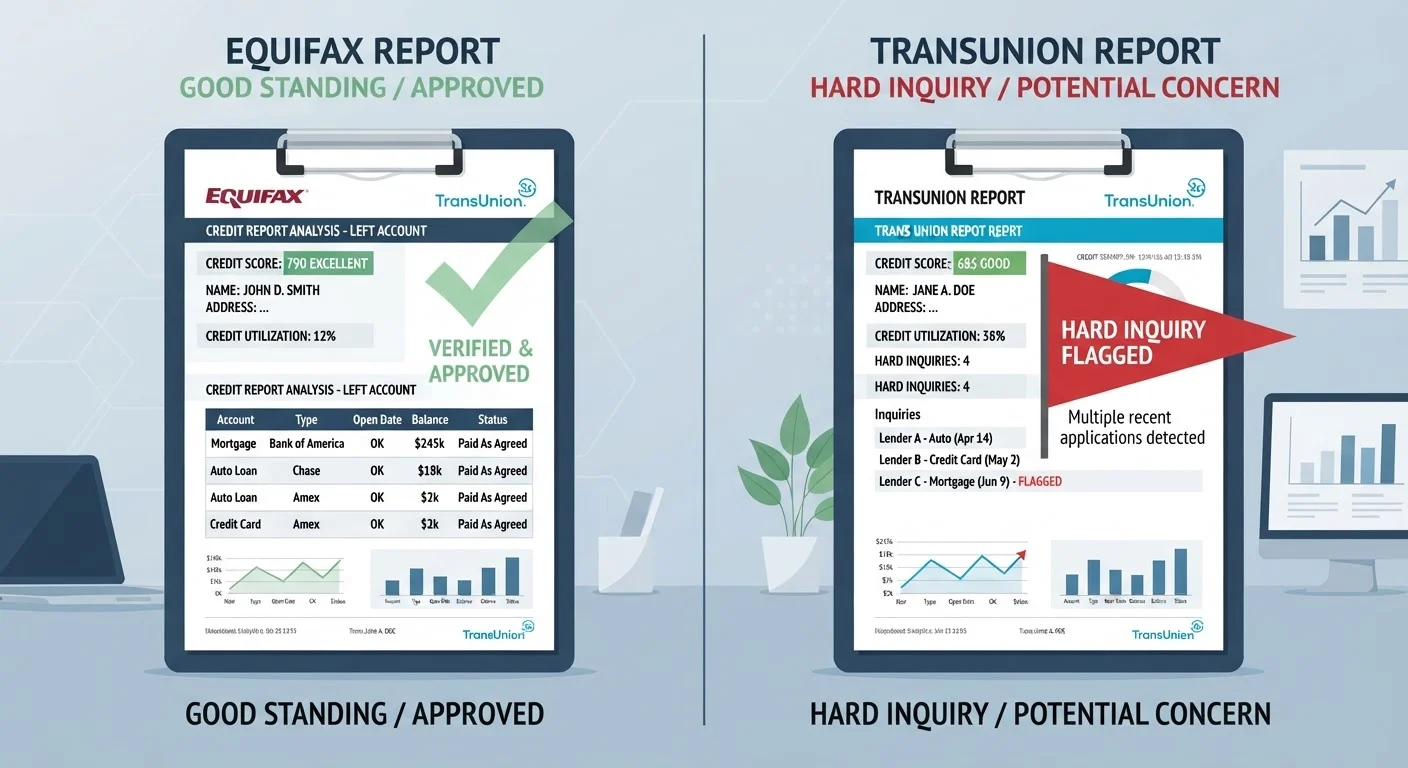
For unsecured credit, lenders focus entirely on your financial profile. Your credit score carries substantial weight because it signals how reliably you've repaid past obligations. Lenders also look at your income, employment stability, and existing debt load. If you've had recent credit inquiries, that may factor in too - you can learn more about how that works in our guide to hard vs. soft credit inquiries.
This dual evaluation process means that even with excellent credit, secured lending decisions can be derailed by issues with the collateral - such as a home that appraises below the purchase price.
Practical Implications When Borrowing
Knowing which type of debt you're taking on should inform how you approach the borrowing decision. A few practical points:
- Read the security agreement carefully. With secured debt, the agreement specifies exactly what asset is pledged and the lender's rights if you default. Understand these terms before signing.
- Consider the full cost, not just the monthly payment. Lower rates on secured debt don't automatically mean less financial risk - they come with the possibility of losing a major asset.
- Assess your debt load holistically. Both secured and unsecured obligations count when lenders evaluate your debt-to-income ratio. Carrying high balances across both can limit future borrowing options. If you're unsure whether your current obligations are manageable, learn to recognize the warning signs of unmanageable debt.
- Auto financing has its own nuances. When borrowing to buy a vehicle, the financing source - dealer or bank - can affect your rate and terms. See our guide on financing through a dealer vs. your own bank for context.
This article is for general informational and educational purposes only and does not constitute personalized financial, legal, or tax advice. Consult a licensed financial professional for guidance specific to your situation.