
How Each Method Works
Before comparing the two, it helps to understand what each framework actually asks you to do. Unfamiliar terms like discretionary spending or net income are worth looking up-our budgeting vocabulary guide covers the essentials in plain language.
Zero-Based Budgeting
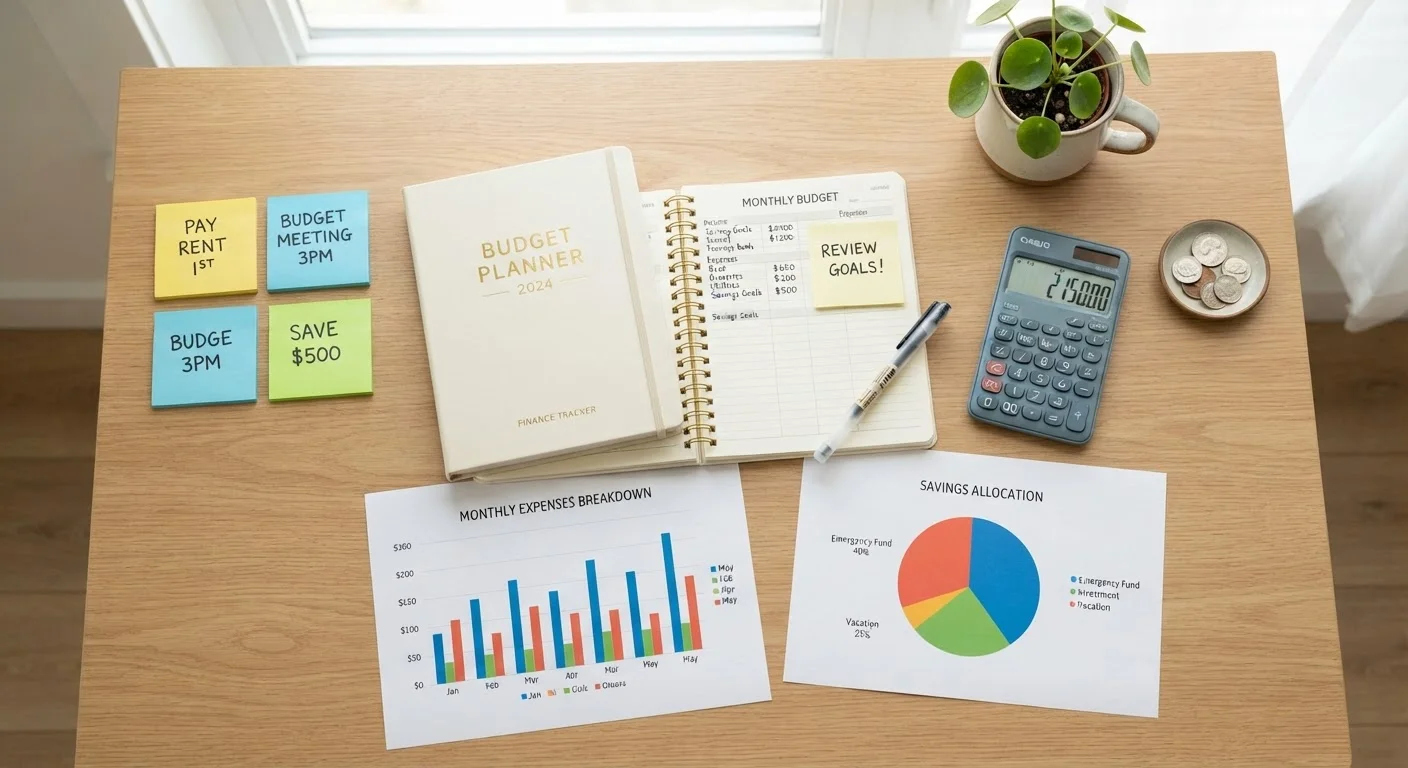
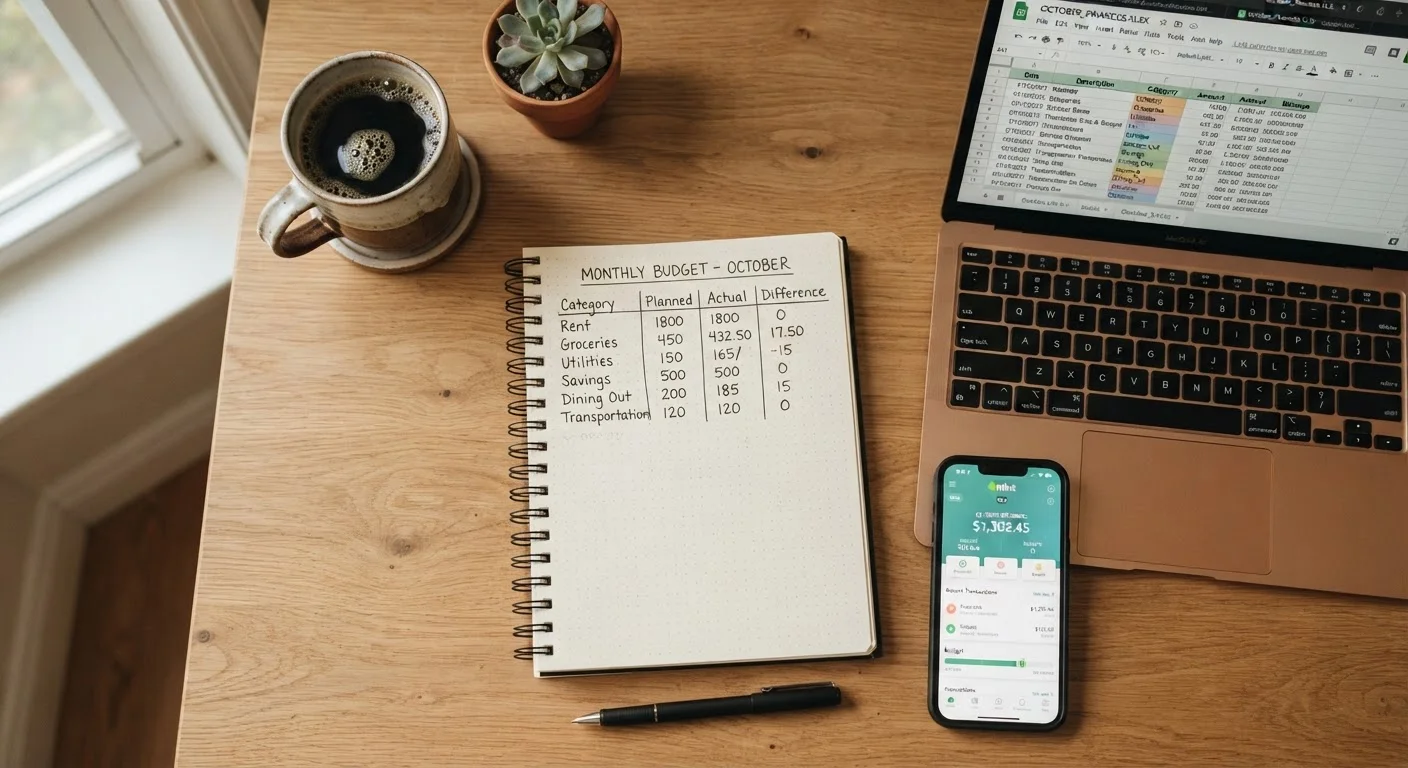
With zero-based budgeting, you start each month with your total take-home (net) income and assign every dollar to a specific category-housing, groceries, transportation, savings, debt payments, entertainment-until you reach zero. The goal isn't to spend everything; it's to give every dollar a designated purpose, including savings and investments. If you earn $4,000 a month, your planned allocations should add up to exactly $4,000.
Percentage-Based Budgeting
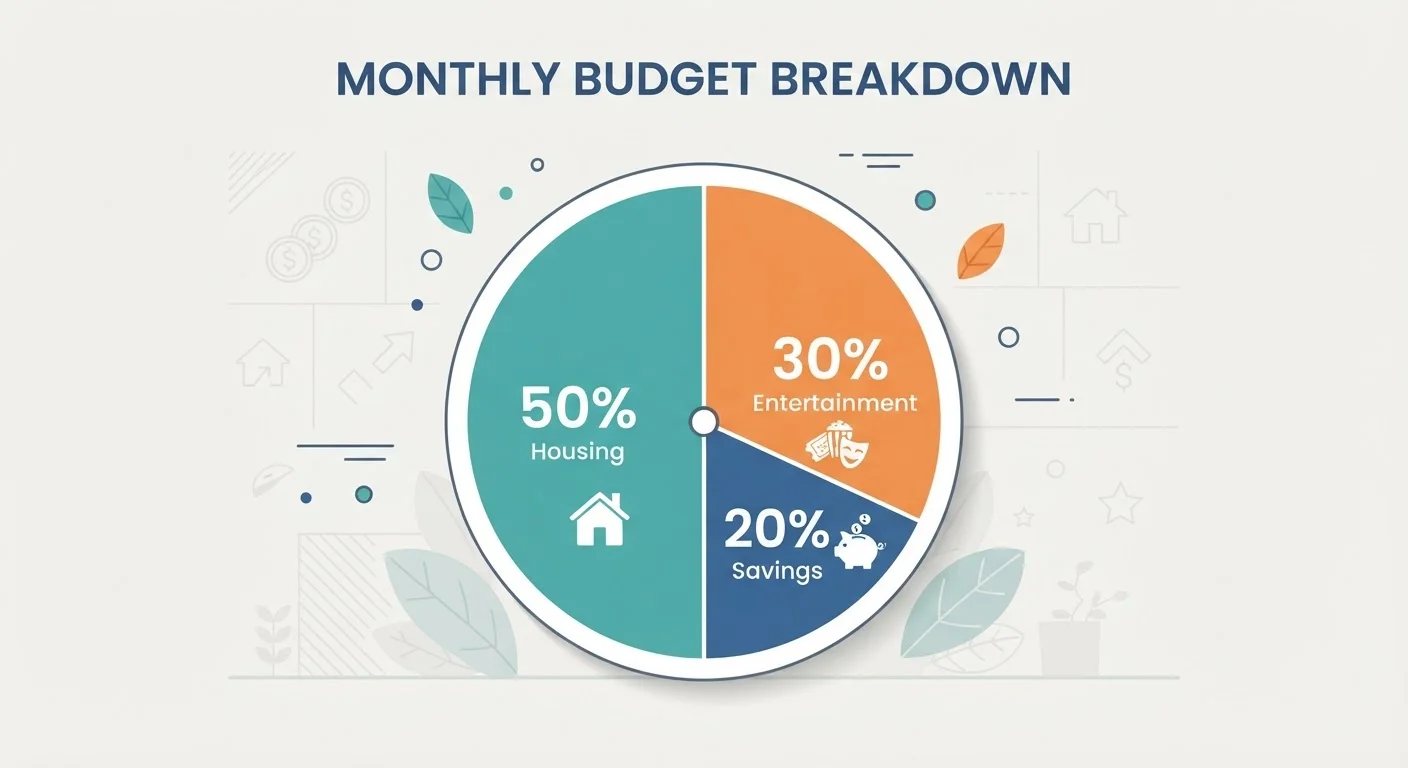
Percentage-based budgeting skips the line-by-line assignment and instead divides income into broad categories by proportion. The most widely referenced version is the 50/30/20 rule: 50% toward needs, 30% toward wants, and 20% toward savings and debt repayment. Our 50/30/20 explainer walks through how those categories work in practice. The key mechanic is that the percentages stay constant-only the dollar amounts shift when your income changes.
| Criterion | Zero-Based Budgeting | Percentage-Based Budgeting |
|---|---|---|
| Core mechanic | Every dollar assigned a purpose | Income split by fixed ratios |
| Monthly setup time | Higher - rebuilt or reviewed each month | Lower - ratios stay constant |
| Best income type | Stable, predictable income | Variable or fluctuating income |
| Spending visibility | High - category by category | Moderate - broad buckets only |
| Flexibility | Lower - requires deliberate reallocation | Higher - percentages adapt automatically |
| Learning curve | Steeper for beginners | Gentler entry point |
| Goal-targeting precision | High - surplus directed deliberately | Moderate - savings bucket is pre-set |
Time Commitment and Ongoing Effort
Zero-based budgeting is front-loaded with effort. You rebuild or revisit detailed category allocations every month, which takes meaningful time-especially at first. That granularity, however, is also its strength: it tends to surface small but habitual expenses (streaming services, convenience purchases, subscriptions) that are easy to miss in a broader category sweep.
Percentage-based budgeting requires far less monthly maintenance. Once you've established your target ratios and know which expenses fall into which bucket, the monthly review is quicker. The trade-off is less visibility into specific spending patterns within each bucket. You might hit your 50% needs target while still carrying inefficiencies inside it.
~33%
Americans with a detailed monthly budget
Surveys conducted by organizations such as Gallup have consistently found that fewer than one in three U.S. adults maintains a formal, detailed household budget.
1 month
Typical time to spot spending patterns
Financial educators commonly note that even a single month of detailed tracking is enough for most households to identify at least one significant area of unplanned spending.
Whichever approach you choose, how you track it matters too. See our guide on choosing a budgeting format that sticks for a practical breakdown of paper, spreadsheet, and app options.
Strengths, Weaknesses, and What Each Assumes
Zero-based budgeting assumes that you have a relatively stable income and enough time each month to plan carefully. It also assumes motivation-this method can feel burdensome during busy periods, and skipping even one month can break the habit. That said, for households in debt-reduction mode or saving toward a specific goal, the precision is a genuine advantage.
Percentage-based budgeting assumes your spending naturally fits into broad buckets-an assumption that can be hard to satisfy if you live in a high-cost area where housing alone exceeds 50% of take-home pay. It also doesn't force you to examine what's inside each category, which can allow problem spending to hide behind a passing grade on the overall ratio.
It's worth noting that strict adherence to either method comes with real trade-offs in flexibility and spontaneity. Our article on the real trade-offs of strict budgeting explores that tension honestly.
This article is for general informational and educational purposes only. It does not constitute personalized financial advice. Consider speaking with a licensed financial professional about decisions specific to your situation.