
What an Emergency Fund Actually Does
Think of an emergency fund as a financial firewall. When something unexpected and costly happens - a transmission failure, an urgent dental procedure, a layoff - the fund absorbs the impact so the rest of your financial life doesn't unravel. Without it, the default response for most people is to reach for a credit card or a personal loan, both of which can carry high interest rates that compound the original problem.
The fund doesn't just provide cash; it provides time and options. With a buffer in place, you can evaluate your situation calmly rather than making reactive decisions under financial pressure. That distinction - responding versus reacting - is a meaningful one when you're dealing with a stressful life event.
~37%
Americans who couldn't cover a $400 emergency with cash
According to the Federal Reserve's Report on the Economic Well-Being of U.S. Households, a significant share of adults reported they would struggle to cover an unexpected $400 expense without borrowing or selling something.
3-6 months
Recommended essential expenses to save
This range is the standard guidance cited by most nonprofit financial education organizations and government consumer protection agencies.
$1,000
Common starter emergency fund milestone
Many financial educators recommend this as an achievable first target that provides meaningful protection against common small emergencies before building toward a fuller fund.
How Much Is Enough?
The standard guidance from financial educators is three to six months of essential living expenses. "Essential" is the key word: calculate only the costs you must cover - housing, utilities, groceries, transportation, insurance premiums, and minimum debt payments. Discretionary spending like dining out or subscriptions doesn't count toward the target.
That said, the right amount varies. A household with a single income, dependents, or an unpredictable work schedule generally benefits from a larger cushion - closer to six months or beyond. Someone with a stable salaried position and a dual-income household may feel adequately covered at three months.
If six months of expenses feels out of reach right now, start with a concrete first milestone: $500 to $1,000. Research consistently finds that even a modest cash buffer significantly reduces the likelihood that a financial shock turns into a debt spiral.
Set a Milestone Before a Full Target
Don't let the three-to-six-month goal feel paralyzing. Open a dedicated savings account today and set an automatic weekly or biweekly transfer - even $15 or $20. Focus first on reaching $500, then $1,000. Each milestone gives you real protection and reinforces the habit before you tackle the larger goal.
Emergency Fund vs. Other Savings Goals
An emergency fund is not the same as saving for a vacation, a new appliance, or annual car registration. Those are predictable expenses - and there's a separate savings strategy called a sinking fund that handles them well. A sinking fund lets you set aside small amounts over time for a known future cost, reducing the chance that a predictable bill catches you off guard.
Your emergency fund, by contrast, exists only for the unexpected and urgent. Keeping the two purposes separate - in different accounts, with different mental labels - prevents you from depleting your safety net on expenses that could have been planned for.
How to Build One Consistently
Consistency matters far more than the size of each individual contribution. A few practical approaches:
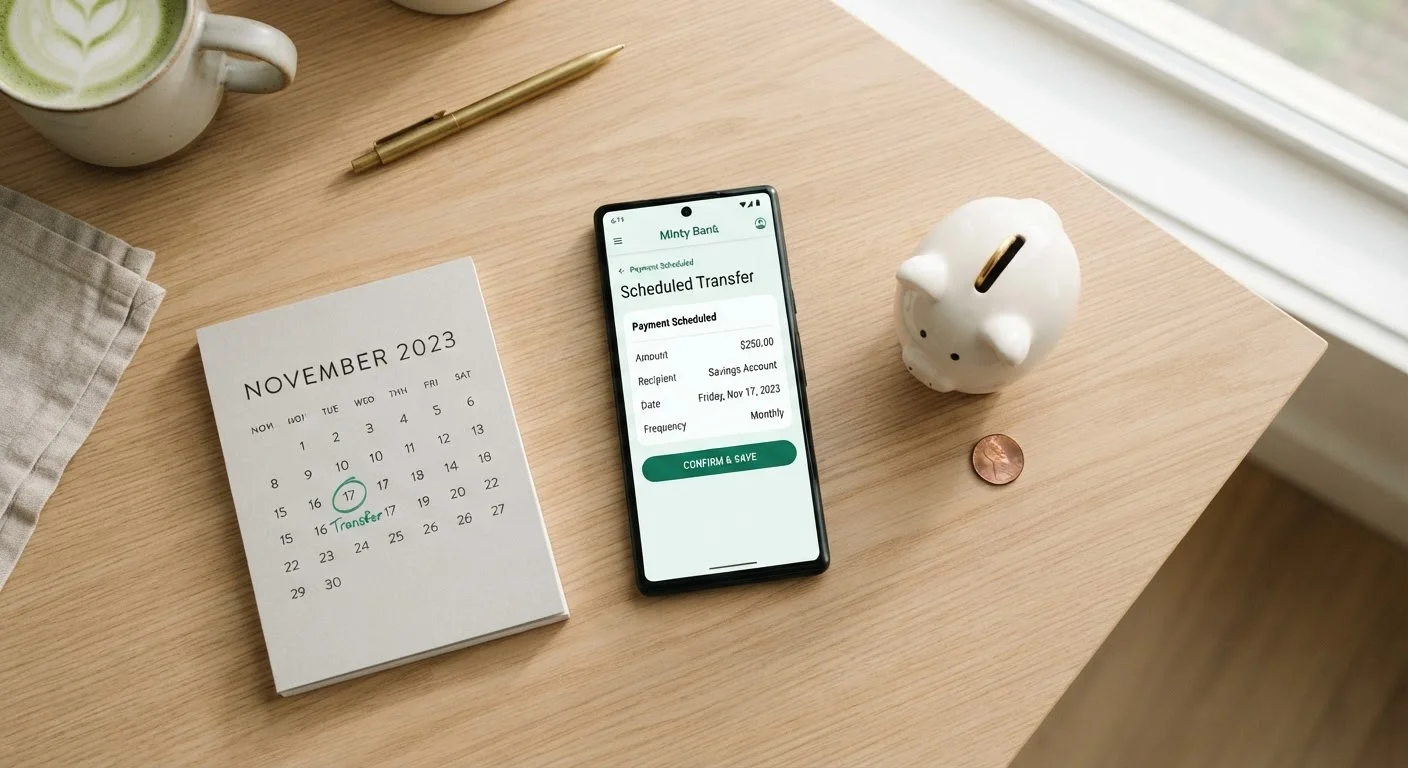
- Automate transfers: Schedule a fixed amount to move from your checking account to a dedicated savings account on every payday. Our guide to automating your savings walks through exactly how to set this up.
- Keep it separate: Use a savings account at a different bank if needed - adding friction between you and the money makes it easier to leave it alone.
- Direct windfalls: Tax refunds, work bonuses, and cash gifts are opportunities to accelerate progress without changing your monthly budget.
- Revisit the target annually: As your expenses change - rent increases, a new dependent, a different job - recalculate your three-to-six-month figure and adjust accordingly.
Once your fund is established, use our savings checkpoint to assess whether your overall financial buffers are aligned with where you want to be.
“A financial cushion doesn't just protect your bank account - it protects your decision-making. People with savings buffers make better choices under stress because they aren't operating from a place of scarcity.”
— Consumer Financial Protection Bureau, U.S. federal agency focused on consumer financial education and protection