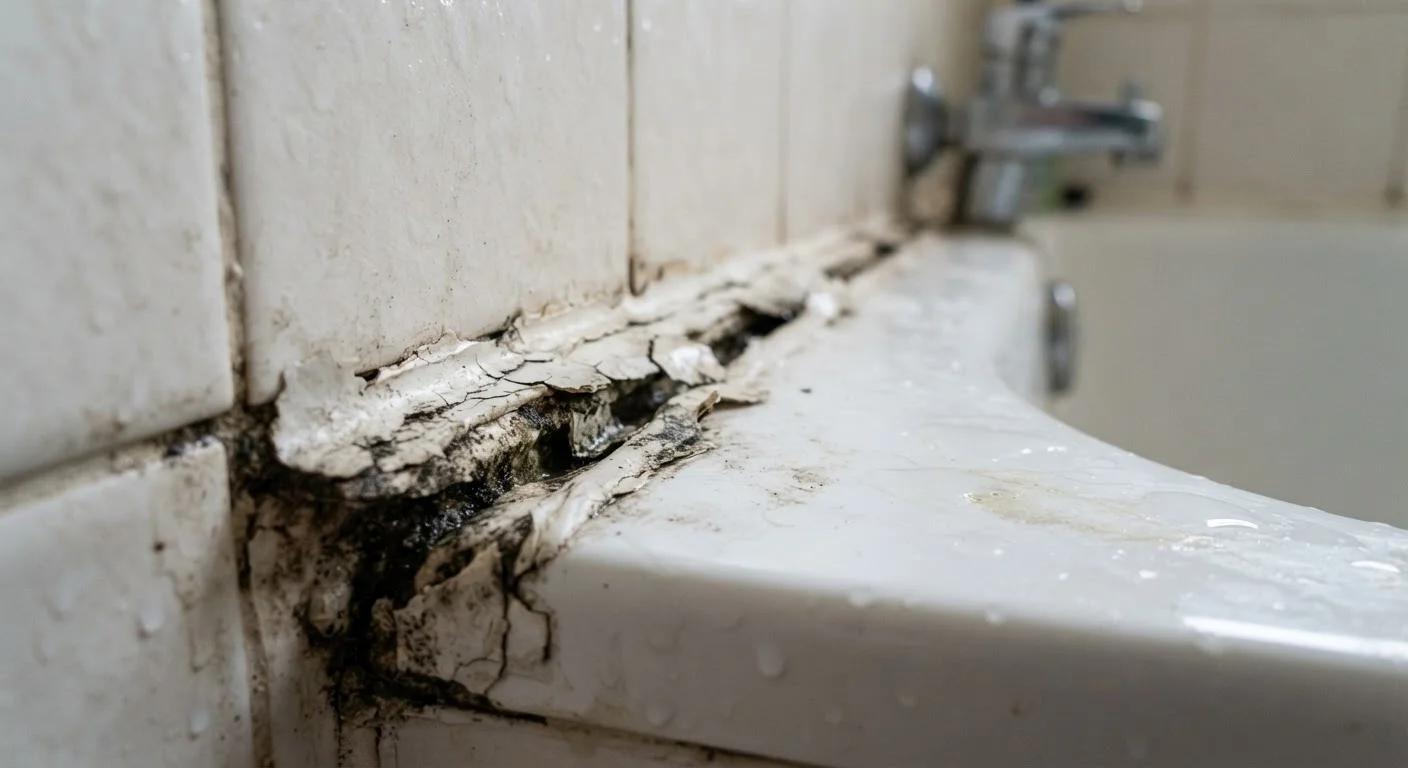
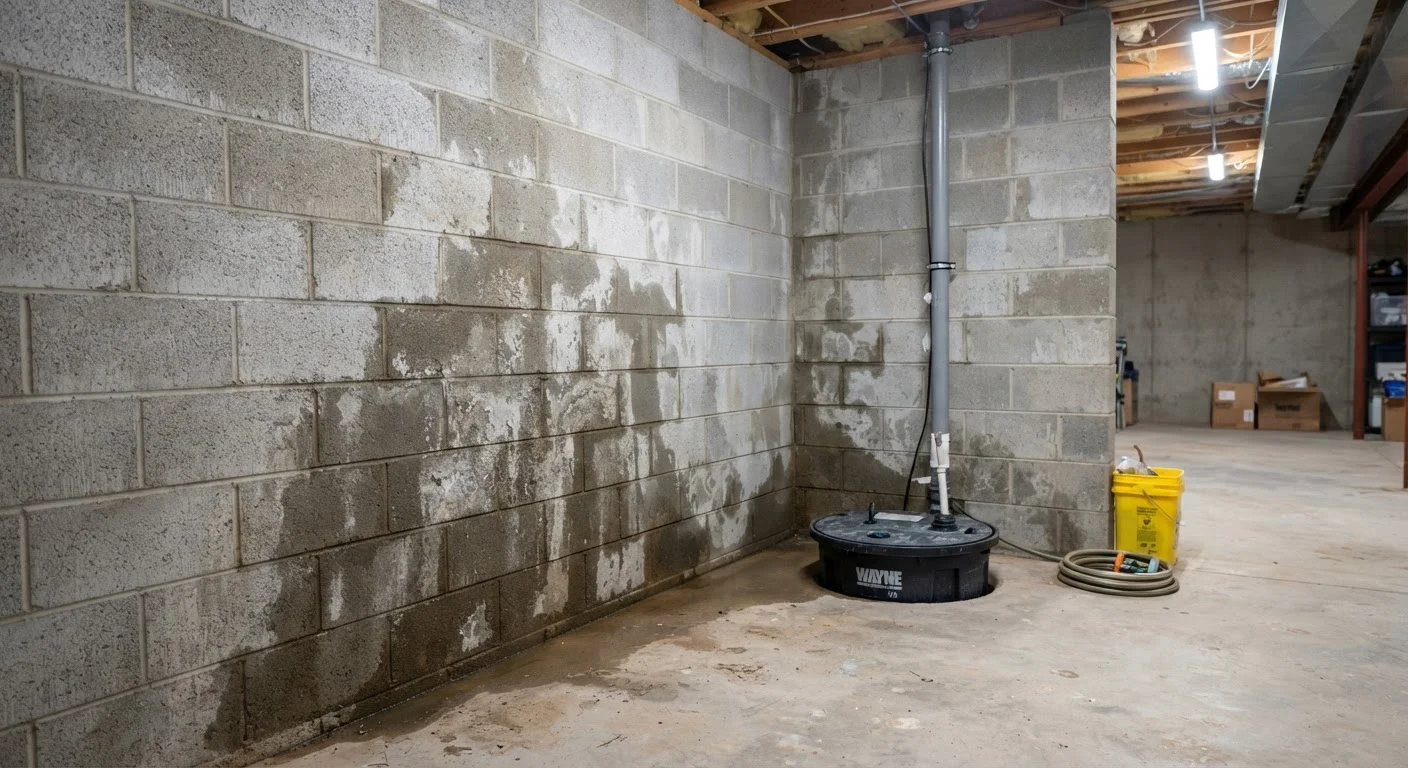
First, Identify What's Actually Causing the Moisture
Before choosing any waterproofing method, you need to identify where the water is coming from. Applying the wrong fix is a common and expensive mistake. Basement moisture falls into three categories:
- Condensation: Warm, humid air hits cool basement walls and sweats. This looks like moisture on the wall surface but originates indoors, not outdoors.
- Seepage: Water migrates through porous concrete block or poured walls, or through hairline cracks, driven by saturated soil outside.
- Hydrostatic pressure: A high water table or poorly draining soil builds pressure beneath or against the foundation, forcing water through the floor slab or wall-floor joint.
A simple test: tape a piece of plastic sheeting tightly to a damp wall and leave it for 48 hours. If moisture forms on the room-facing side, you have condensation. If it forms on the wall-facing side, water is migrating through the wall from outside.
Condensation vs. Seepage: Why It Matters
Treating condensation with waterproofing products is a common and costly mistake. If your basement moisture is from indoor humidity - not groundwater - the solution is a dehumidifier and better air sealing, not a drainage system. Misidentifying the source means spending money on a fix that won't work.
Exterior Waterproofing: Stopping Water at the Source
Exterior waterproofing is the most thorough solution because it intercepts water before it contacts the foundation. The process involves excavating around the perimeter of the home down to the footing, cleaning the foundation wall, applying a waterproof membrane or coating, and installing a drainage board and perforated pipe (drain tile) that directs water away from the structure.
This method addresses seepage and hydrostatic pressure effectively. It also allows contractors to inspect and repair foundation cracks directly. The significant drawbacks are cost, disruption to landscaping, and the need for permits in most jurisdictions - this is not a DIY project.
Exterior drainage improvements like re-grading the yard so it slopes away from the foundation, cleaning gutters, and adding downspout extensions that carry water at least six feet from the house are lower-cost first steps that reduce soil saturation before it becomes a structural problem.
98%
Of basements will experience some water intrusion
The American Society of Home Inspectors has reported that the vast majority of basements experience some form of water intrusion over the life of a home.
6 ft+
Recommended downspout extension distance from foundation
Home building guidance generally recommends extending downspouts at least six feet from the foundation to meaningfully reduce soil saturation near footings.
Interior Drainage Systems: Managing Water That Gets In
Interior drain tile systems - sometimes called French drains or weeping tile - capture water that enters the basement and redirect it to a sump pit, where a pump discharges it away from the foundation. A channel is cut around the perimeter of the basement floor, a perforated pipe is laid, and the floor is patched over it.
This approach doesn't stop water from entering the wall; it controls water after entry. That distinction matters: interior systems are water management, not waterproofing in the strictest sense. Even so, they are effective at keeping a basement dry and are considerably less disruptive and expensive than exterior excavation. They are often the recommended solution when exterior work isn't feasible due to cost, limited site access, or mature landscaping.
For this kind of work, check local permit requirements - cutting a structural slab and installing drainage typically needs inspection. Always hire a licensed contractor for the installation itself.
Sealants, Coatings, and Crack Injections
Surface treatments include masonry waterproofing paints, cementitious coatings, and crystalline sealers. Applied to interior walls, they slow vapor diffusion through porous concrete or block. They work best on walls that are damp but not actively leaking, and the surface must be clean, sound, and free of prior paint.
These products have real limitations. They cannot withstand sustained hydrostatic pressure - water under pressure will push right through or behind a coating. They also do not address the underlying cause of water entry. Think of them as a supplementary measure, not a standalone fix.
Crack injections are a more targeted solution. Polyurethane or epoxy is injected into active cracks in poured concrete walls under pressure, filling the crack from inside to outside. Polyurethane is flexible and better for active leaks; epoxy is rigid and used for structural repairs. This is a legitimate repair method for isolated cracks, but it requires the crack to be stable - ongoing settling can re-open a sealed crack. For caulk-related failures around windows, penetrations, and floor-wall joints, see our guide on why caulk fails and how to apply it correctly.
Start Outside Before Going Inside
Before investing in interior drainage or sealants, walk around your home during a rainstorm. Check that soil slopes away from the foundation, gutters aren't overflowing, and downspouts discharge water well away from the house. These low-cost fixes resolve a surprising number of moisture complaints and should always come first.
Matching the Method to the Problem
No single approach works for every basement. Use this framework to match the solution to the situation:
| Moisture Source | Appropriate Method |
|---|---|
| Condensation only | Dehumidifier, improve ventilation, air sealing |
| Wall seepage, minor | Exterior grading improvements, sealants if surface is stable |
| Active wall cracks | Crack injection, then monitor for recurrence |
| Seepage with no exterior access | Interior drain tile + sump pump |
| High water table / floor heave | Interior drain tile + sump pump; exterior if budget allows |
| Significant lateral pressure on foundation | Exterior waterproofing; structural evaluation by engineer |
When in doubt - particularly if you see wall bowing, wide horizontal cracks, or floor heaving - consult a structural engineer before any waterproofing work begins. Waterproofing a structurally compromised wall without addressing the structural issue first can be both ineffective and unsafe.