Defining the Spectrum: From Farm to Factory
The term "processed food" is often used as a catch-all criticism, but it obscures more than it reveals. Nearly every food humans eat has been processed in some way - washed, cooked, milled, or preserved. A more useful framework comes from the NOVA classification system, developed by nutrition researchers at the University of São Paulo, which groups foods into four categories based on the extent and purpose of industrial processing.
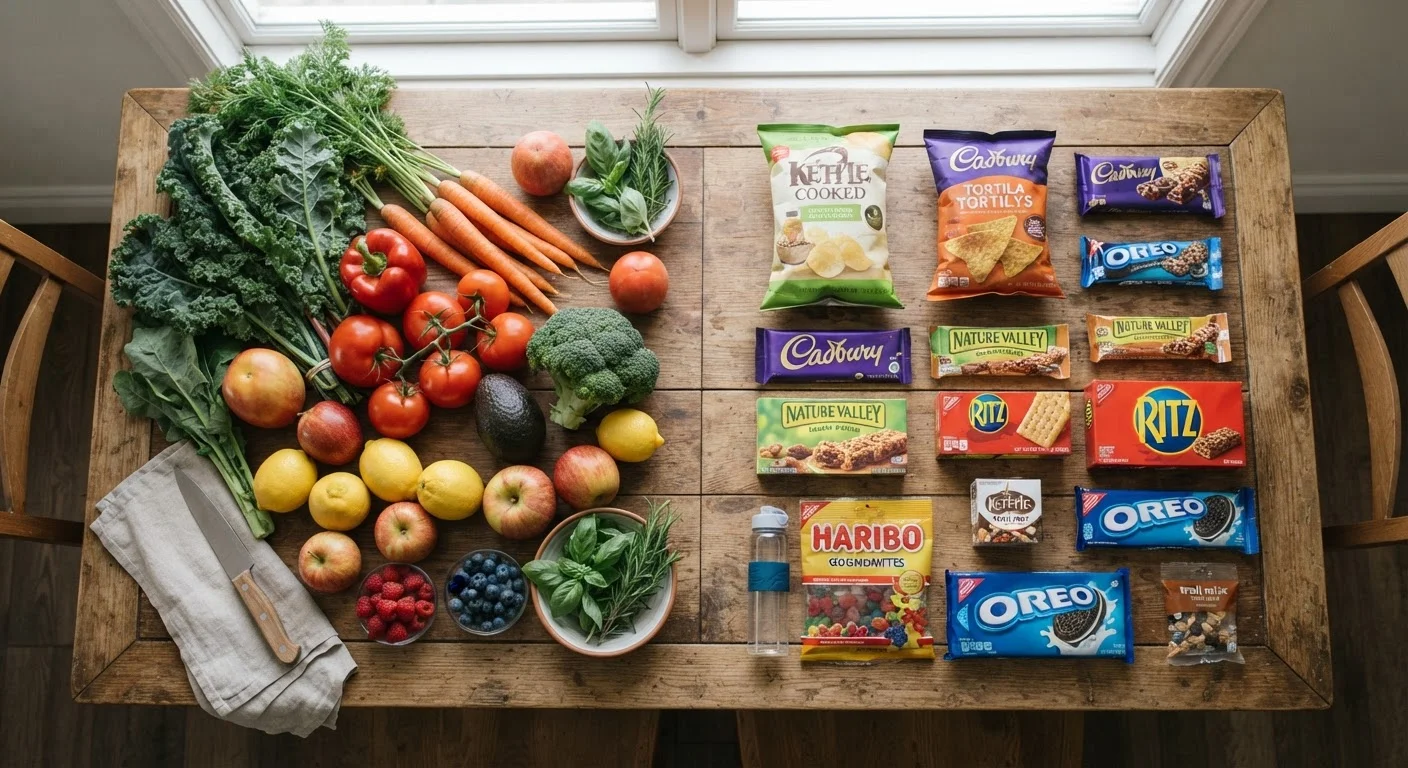
Group 1 - Unprocessed or minimally processed foods include fresh fruits, vegetables, plain meats, eggs, and plain dried legumes. These foods are either unaltered or have undergone only cleaning, refrigeration, or drying. Group 2 covers culinary ingredients - oils, flours, salt, and sugar - used to prepare Group 1 foods at home. Group 3 encompasses processed foods: items like canned tomatoes, pickles, plain cheeses, and smoked fish, where processing is primarily about preservation and safety. Group 4 - ultra-processed foods are industrial formulations made largely from substances extracted from foods (such as refined starches, hydrogenated oils, and protein isolates) and combined with additives that create palatability, color, and extended shelf life. Think packaged snacks, flavored beverages, instant noodles, and many ready-to-eat meals.
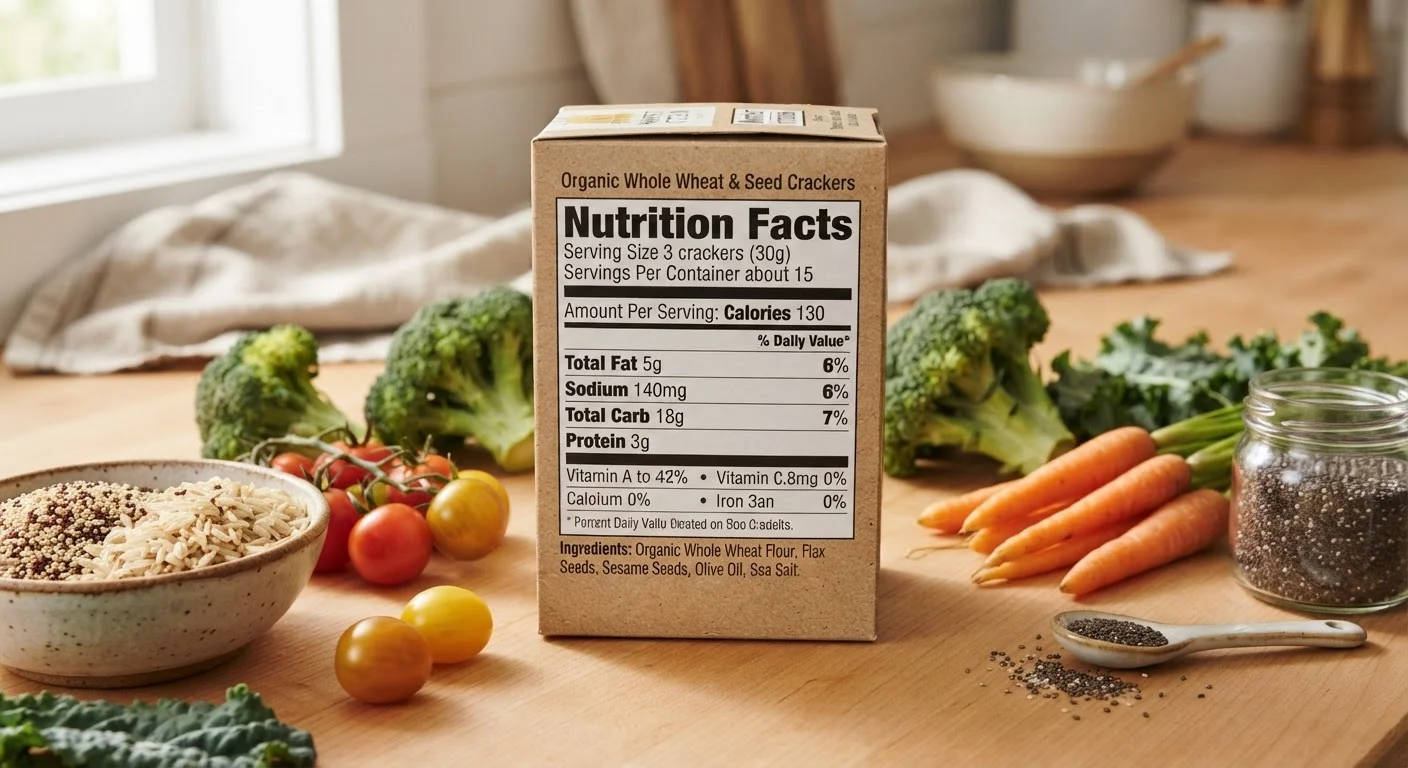
This distinction matters because most nutrition research that raises concerns about "processed foods" is actually focused on Group 4. To learn more about comparing food information at a glance, see how to read a Nutrition Facts label confidently.
What the Research Actually Shows
A meaningful body of observational research associates high intake of ultra-processed foods with elevated risks of conditions including cardiovascular disease, type 2 diabetes, and certain cancers. A frequently cited example is a 2019 prospective study published in The BMJ, which found that each 10-percentage-point increase in the ultra-processed share of daily dietary intake was associated with a 12% increased risk of overall cancer. It's important to note, however, that observational studies show association - not causation - and that confounding factors (such as overall diet quality, socioeconomic status, and lifestyle) are difficult to fully disentangle. The field of nutrition science faces genuine methodological challenges, which this deeper look at nutrition research complexity explores in detail.
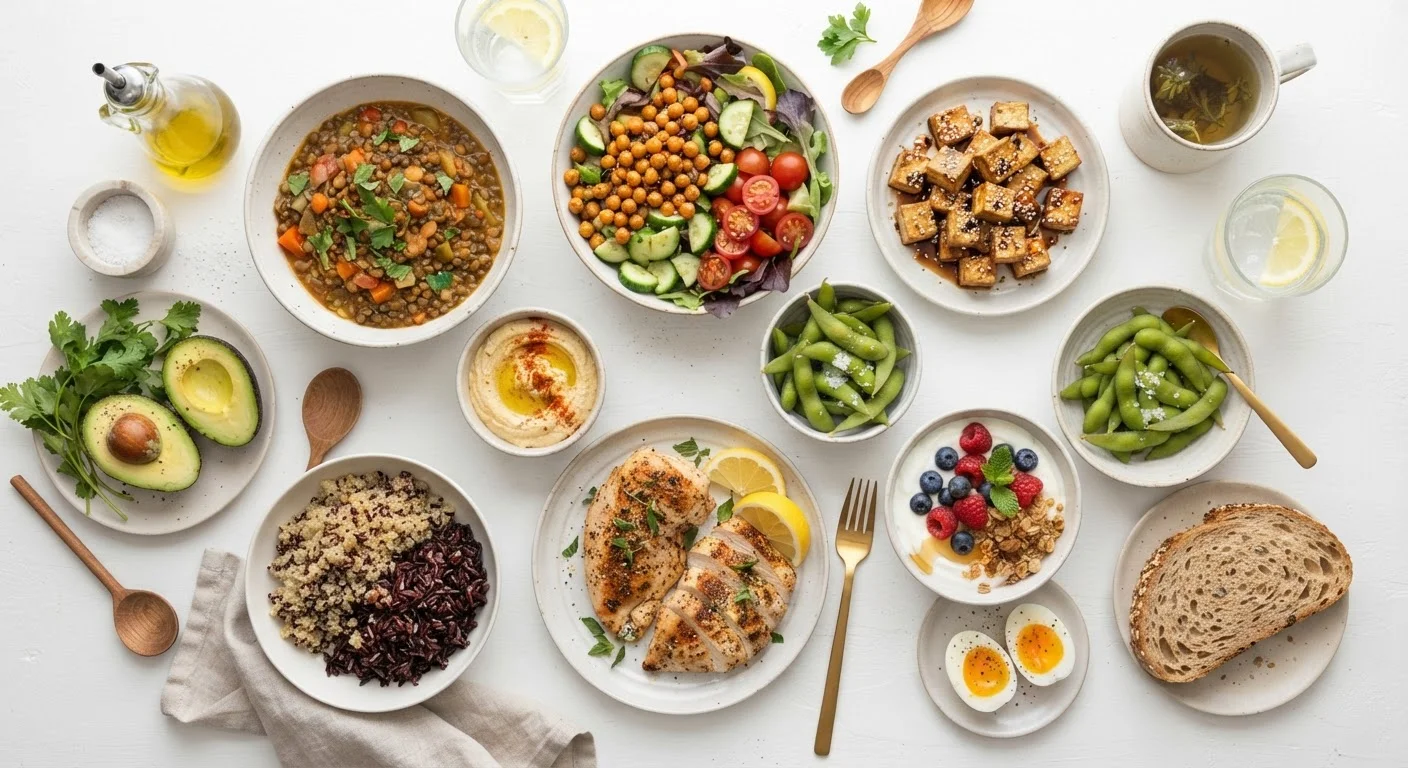
Whole and minimally processed foods, by contrast, consistently appear in dietary patterns linked to positive health outcomes in research. They typically provide higher fiber content, more intact micronutrients, and lower levels of added sodium and sugars. Fiber in particular plays well-established roles in digestive health and satiety.
57%
Share of U.S. daily calories from ultra-processed foods
A study published in BMJ Open estimated that ultra-processed foods accounted for approximately 57% of caloric intake among U.S. adults, based on national dietary data.
~28g
Daily fiber gap for most American adults
The U.S. Dietary Guidelines note that most Americans consume well below the recommended daily fiber intake, a shortfall closely linked to low consumption of whole plant foods.
4 groups
NOVA food processing classification categories
The NOVA system, developed by researchers at the University of São Paulo, organizes foods into four groups based on the degree and purpose of industrial processing.
That said, context matters. Frozen plain spinach is technically processed but nutritionally comparable to fresh. Fortified whole-grain bread undergoes moderate processing yet supplies important B vitamins for many Americans. The presence of some processing does not automatically diminish a food's nutritional contribution.
Side-by-Side: Key Differences at a Glance
Comparing these two broad categories across practical dimensions helps clarify where meaningful differences lie - and where the lines blur.
| Criterion | Whole / Minimally Processed Foods | Ultra-Processed Foods |
|---|---|---|
| Fiber content | Naturally high; intact plant structures | Often low; fiber removed or absent |
| Added sugars & sodium | Only naturally occurring amounts | Frequently high; added for palatability |
| Micronutrient density | Generally higher; vitamins intact | Variable; often relies on fortification |
| Additives & preservatives | Minimal to none | Common; emulsifiers, colorings, flavor agents |
| Shelf life | Shorter; requires refrigeration or freezing | Extended; engineered for stability |
| Cost & accessibility | Varies widely; fresh produce can be costly | Often lower cost; widely available |
| Preparation time | Typically requires cooking or prep | Ready-to-eat or minimal preparation |
Protein quality is one area where the whole-vs.-processed distinction intersects with another common nutrition question. Plant and animal protein sources each have their own processing considerations - whole legumes versus protein isolates, for example, represent very different points on the spectrum.
Practical Takeaways for Everyday Eating
Nutrition research consistently points toward overall dietary patterns rather than individual foods as the stronger predictor of long-term health outcomes. The dietary patterns most studied by researchers - such as the Mediterranean and DASH approaches - share an emphasis on whole and minimally processed foods without requiring the complete elimination of everything else.
A few evidence-informed habits can help most people shift toward that end of the spectrum without extreme restriction:
- Use the ingredient list as a guide. A shorter list with recognizable ingredients generally signals less intensive processing, regardless of front-of-package claims.
- Lean on the freezer aisle. Plain frozen vegetables and fruits are minimally processed and retain most of their nutrients - a practical whole-food option with a long shelf life.
- Treat ultra-processed foods as occasional rather than foundational. Research concerns center on frequency and quantity, not isolated servings.
- Don't conflate all fats with processing. Understanding how fat types differ - covered in this overview of dietary fats - helps evaluate both whole-food and processed-food choices more accurately.
Processing Is Not the Only Nutrition Lens
Processing level is one useful tool for evaluating food choices, but it doesn't tell the whole story. A food's macronutrient profile, ingredient quality, portion size, and how it fits into the overall diet all matter as well. Using multiple frameworks together - including nutrition labels, ingredient lists, and general dietary pattern principles - gives a more complete picture than any single criterion.
This article is for general informational and educational purposes only and does not constitute medical or dietary advice. Consult a qualified healthcare professional or registered dietitian for guidance tailored to your individual health needs.