What Makes a Protein 'Complete' or 'Incomplete'?
Protein is built from amino acids - organic compounds the body uses to build and repair tissue, produce enzymes, and support immune function. Of the roughly 20 amino acids involved in human biology, nine are classified as essential: the body cannot synthesize them on its own, so they must come from food.
Animal proteins - including meat, poultry, fish, eggs, and dairy - contain all nine essential amino acids in ratios that closely resemble what human tissue requires. For this reason, they are termed complete proteins. Most plant proteins, by contrast, are lower in one or more essential amino acids. Lysine tends to be limited in grains; methionine is lower in legumes. This is where the term incomplete comes from - though it can be misleading if taken to mean plant proteins are nutritionally inadequate.
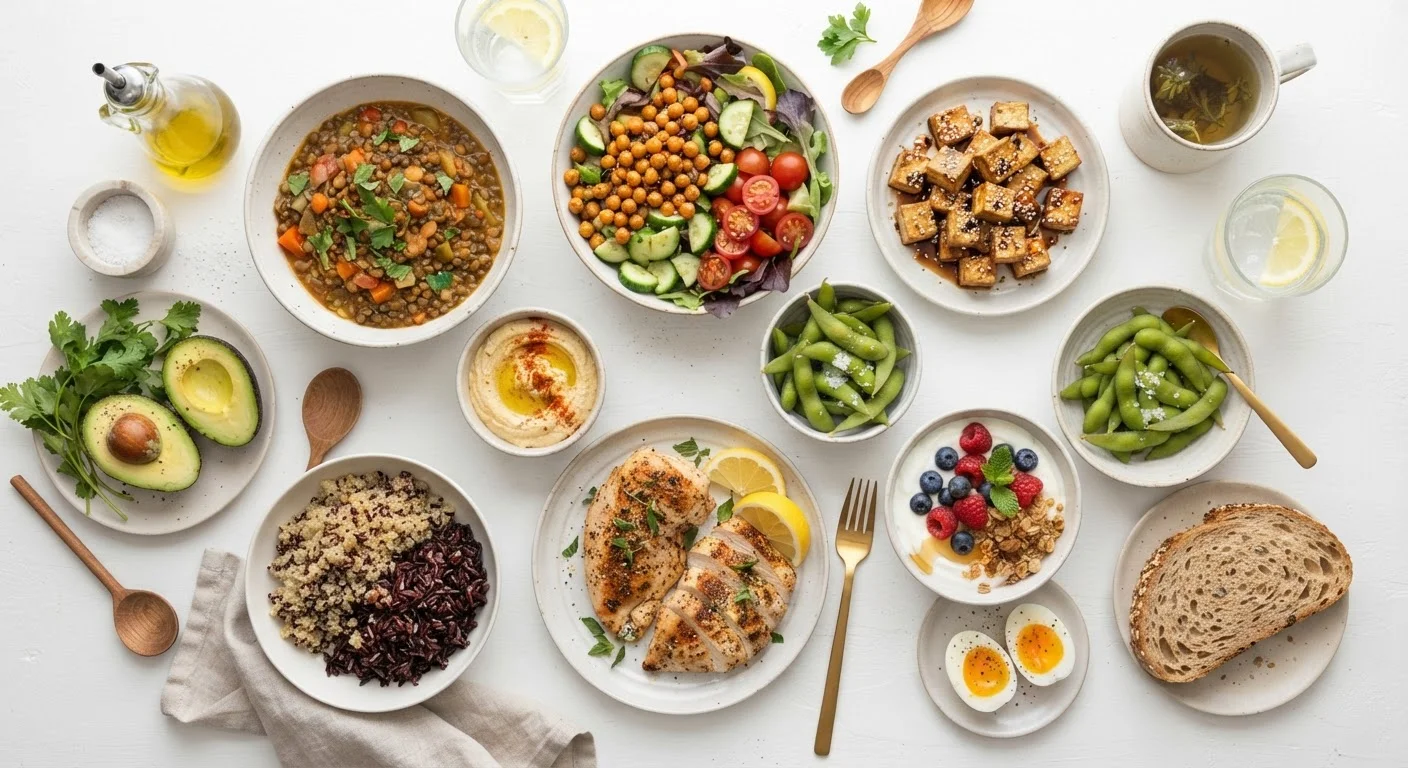
The practical counterpoint: amino acids do not need to be combined at every meal. Eating a variety of plant proteins across the day - beans, lentils, whole grains, nuts, seeds, soy - allows the body to pool amino acids and meet its needs. Soybeans and products like tofu and tempeh are notable exceptions; they provide a complete amino acid profile on their own.
Digestibility: How Much Protein the Body Actually Absorbs
Amino acid content on paper does not tell the whole story. How efficiently the body absorbs and uses protein from a given food is measured by a score called DIAAS, which has largely replaced the older PDCAAS method in research settings. Animal proteins generally score higher on this scale - eggs, dairy, and meat are among the most digestible sources. Most plant proteins score somewhat lower, partly because plant cell walls and compounds like phytates can reduce absorption.
That said, digestibility gaps can be reduced through food preparation. Cooking, fermenting, soaking, and sprouting legumes and grains improve protein bioavailability meaningfully. And because total daily protein intake, not absorption from a single food, determines whether needs are met, people eating adequate amounts of varied plant proteins can typically compensate for lower individual digestibility scores.
| Plant Protein | Animal Protein | |
|---|---|---|
| Amino acid completeness | Incomplete (except soy); needs variety | Complete in all essential amino acids |
| Digestibility (DIAAS) | Generally lower; improved by cooking/soaking | Generally higher across most sources |
| Saturated fat content | Low in most sources | Varies; higher in red/processed meat |
| Dietary fiber | Present; supports gut health | Absent |
| Vitamin B12 | Absent; requires supplementation or fortified foods | Naturally present |
| Iron type | Non-heme iron; lower absorption rate | Heme iron; more readily absorbed |
| Phytonutrients | Rich; varies by source | Absent or minimal |
| Environmental footprint | Generally lower for most sources | Generally higher, especially beef |
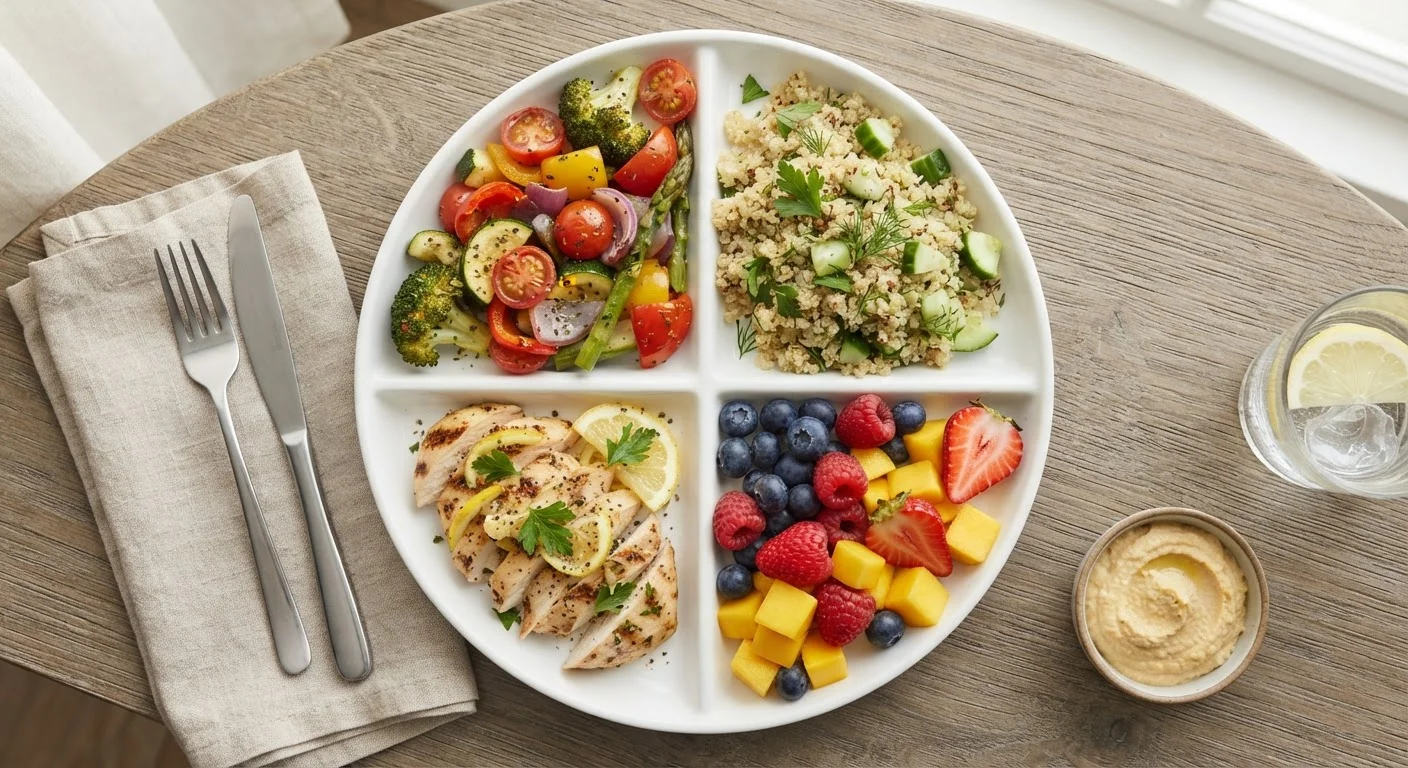
For context on how protein sources fit within broader eating habits, see how to compose a balanced plate across food groups.
Nutritional Context Beyond Amino Acids
Protein rarely travels alone in food. What accompanies it matters significantly for health outcomes.
Animal proteins - particularly red and processed meats - often come packaged with saturated fat and dietary cholesterol. Some research, including large observational studies, associates high red and processed meat consumption with elevated cardiovascular risk, though the strength of evidence varies by study design and population. Fish and low-fat dairy tend to carry a more favorable nutrient profile within the animal protein category.
Plant protein sources bring notable advantages in this regard. Legumes, whole grains, nuts, and seeds deliver dietary fiber, which most Americans consume below recommended levels. They also contribute a range of phytonutrients - compounds that are not strictly essential but appear protective in population studies. The tradeoff is that plant-dominant diets require attention to nutrients more concentrated in animal foods: vitamin B12, heme iron, zinc, and long-chain omega-3 fatty acids.
Combining Plant Proteins Effectively
You do not need to pair complementary plant proteins at every meal - the body maintains a pool of amino acids throughout the day. Eating a variety of legumes, grains, nuts, and seeds across your daily meals is sufficient for most healthy adults. Fermented soy products like tempeh also provide a particularly complete plant-based amino acid profile and may be easier to digest than unfermented alternatives.
This is part of why nutrition researchers tend to focus on overall dietary patterns rather than individual nutrients. For a deeper look at why single-nutrient findings can be difficult to interpret, see where nutrition science gets complicated.
Practical Tradeoffs and Who Benefits from What
No single protein source is universally optimal. Individual factors - caloric needs, digestive health, food access, cultural food traditions, ethical values, and the presence of chronic conditions - all shape which sources make sense for a given person.
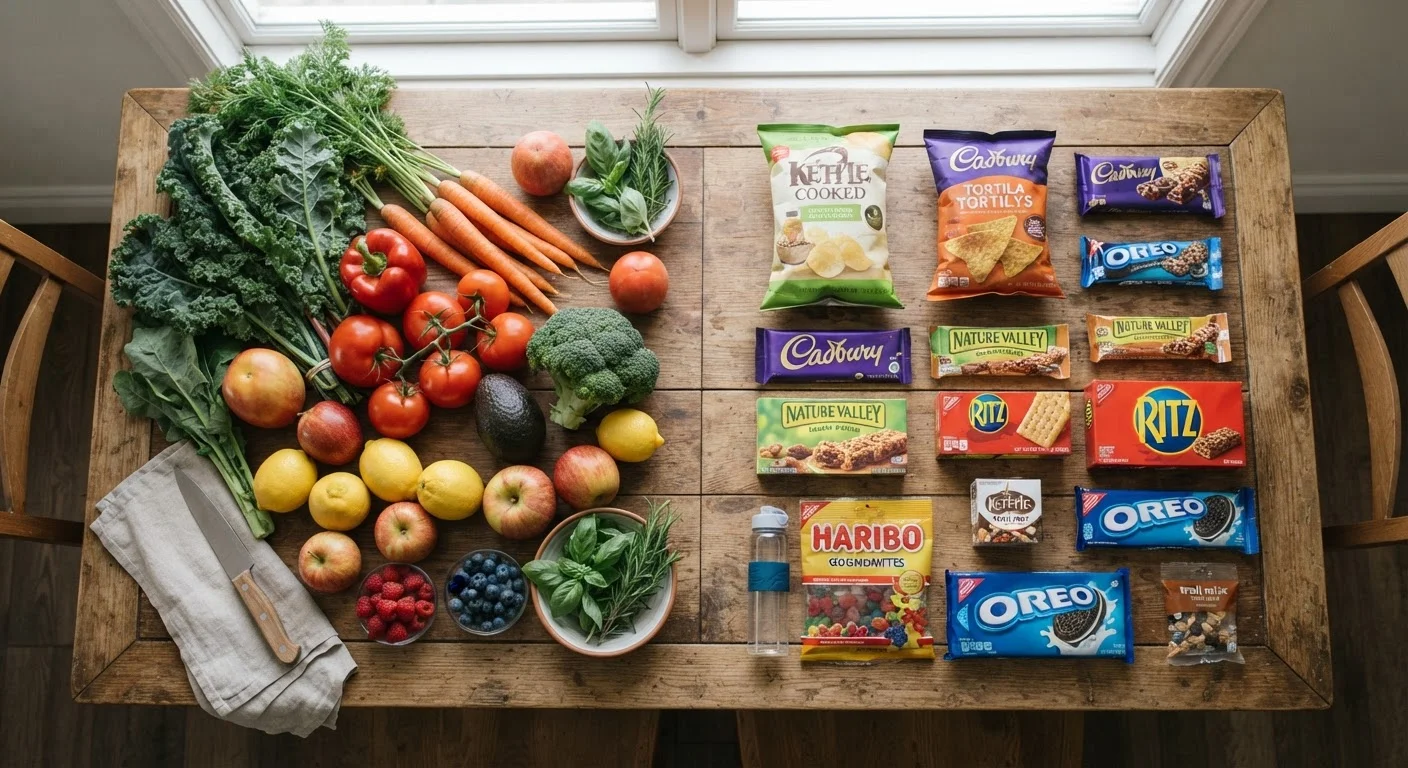
For most generally healthy adults eating a mixed diet, the most evidence-supported approach involves drawing from both categories while emphasizing minimally processed sources. Understanding the processing spectrum is relevant here: a grilled chicken breast and an ultra-processed meat product are both animal proteins, but they differ substantially in their full nutritional impact.
Vegetarians and vegans can meet protein requirements with planning, though attention to B12 (which requires supplementation or fortified foods), iodine, and vitamin D is warranted. Older adults have elevated protein needs relative to younger adults due to age-related changes in muscle protein synthesis - a consideration that may favor higher-digestibility sources or greater overall intake, ideally assessed with a healthcare provider.
Athletes and people with elevated needs due to illness or recovery should work with a registered dietitian to determine appropriate protein targets and source distribution - general population guidance does not always apply in these contexts.
This article provides general nutrition information and education only, and is not a substitute for personalized advice from a qualified healthcare professional or registered dietitian.