
What Dietary Fat Actually Is
Fat is one of three macronutrients - alongside carbohydrates and protein - that the body requires to function. Despite decades of low-fat messaging, fat is not a dietary villain. It provides energy, helps absorb fat-soluble vitamins (A, D, E, and K), supports cell membrane structure, and plays a role in hormone production. The distinction that actually matters isn't whether you eat fat, but which kinds predominate in your overall diet.
All dietary fats are built from molecules called fatty acids attached to a glycerol backbone. The length of the fatty acid chain and the arrangement of chemical bonds between carbon atoms determine whether a fat is classified as saturated, unsaturated, or trans - and how the body handles it. Understanding that chemistry doesn't require a biochemistry degree; a few key concepts clarify most of the confusion.
Fatty acid
A chain of carbon atoms with hydrogen atoms attached, terminated by a carboxyl group. Fatty acids are the building blocks of dietary fats and differ in chain length and degree of saturation.
Saturated fat
A fat whose carbon chain contains no double bonds, meaning it holds the maximum possible number of hydrogen atoms. Saturated fats are typically solid at room temperature and found in animal products and some tropical oils.
Unsaturated fat
A fat with one or more double bonds in its carbon chain, giving it a bent structure and liquid consistency at room temperature. Includes both monounsaturated and polyunsaturated fats.
Trans fat (industrial)
A fat created by partial hydrogenation of vegetable oils, which converts some double bonds into a straight trans configuration. Associated with adverse cardiovascular effects and largely removed from the U.S. food supply.
Omega-3 fatty acids
A category of polyunsaturated fatty acids essential to human health that the body cannot produce on its own. Key dietary sources include fatty fish, walnuts, and flaxseed.
LDL cholesterol
Low-density lipoprotein cholesterol, often called 'bad' cholesterol. Elevated LDL levels in the blood are associated with increased cardiovascular risk in research, though the relationship is complex.
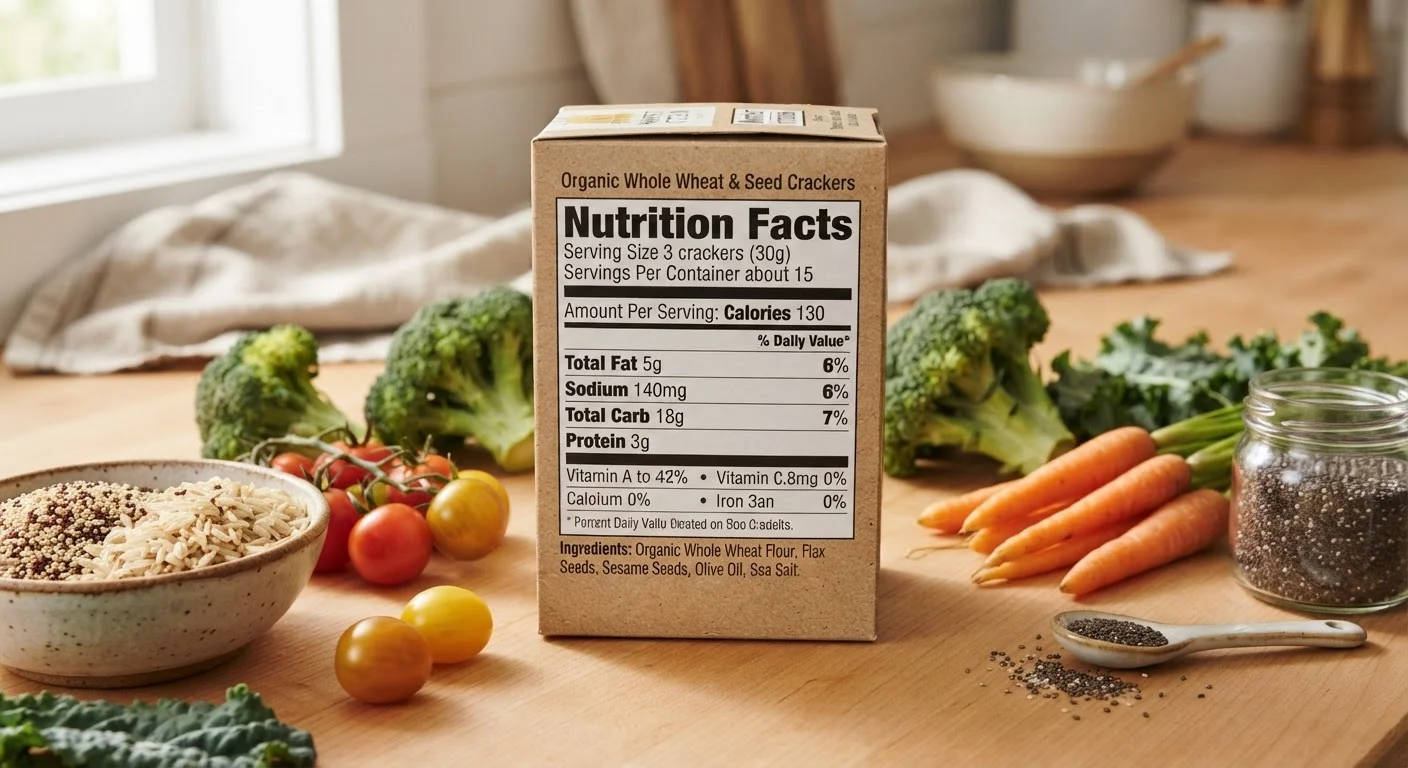
For context on how fat information appears on food packaging, see how to read a Nutrition Facts label.
Saturated, Unsaturated, and Trans Fats: The Core Distinctions
Saturated fats have no double bonds between carbon atoms - the carbon chain is fully "saturated" with hydrogen atoms. This structure makes them solid at room temperature (think butter, coconut oil, or the white fat on a piece of beef). Common food sources include red meat, full-fat dairy, and tropical oils. Current dietary guidelines from organizations such as the American Heart Association generally recommend limiting saturated fat intake, as research links high consumption to elevated LDL cholesterol levels in many people, though the science involves nuances worth acknowledging.
Unsaturated fats contain one or more double bonds, which introduce kinks in the fatty acid chain and keep them liquid at room temperature. They divide into two subtypes:
- Monounsaturated fats (MUFAs) - one double bond. Found in olive oil, avocados, and most nuts. Generally associated with favorable effects on cardiovascular markers when they replace saturated fats in the diet.
- Polyunsaturated fats (PUFAs) - two or more double bonds. Include the well-known omega-3 and omega-6 fatty acids. Omega-3s, found in fatty fish, flaxseed, and walnuts, are considered essential because the human body cannot synthesize them; they must come from food.
Trans fats arise when unsaturated fats are partially hydrogenated - an industrial process that adds hydrogen to liquid vegetable oils to make them more solid and shelf-stable. This creates an unnatural geometric arrangement (trans configuration) that the body processes poorly. Industrial trans fats have been strongly linked to increased LDL cholesterol and decreased HDL cholesterol, and the U.S. Food and Drug Administration effectively banned their use in most processed foods. Small amounts of naturally occurring trans fats exist in ruminant animal products (such as beef and dairy) and appear to behave differently in research, though evidence is still developing.
| Calories per gram of fat | 9 kcal (Standard macronutrient energy density, U.S. dietary reference framework) |
| Essential fatty acid families | Omega-3 and Omega-6 (Must be obtained from food; body cannot synthesize them) |
| FDA stance on industrial trans fats | No longer Generally Recognized as Safe (GRAS) (U.S. FDA final determination, effective June 2018) |
| Fat-soluble vitamins requiring dietary fat for absorption | A, D, E, K (Established nutritional physiology) |
| Physical state of saturated fat at room temperature | Solid (Due to absence of double bonds in carbon chain) |
| Physical state of unsaturated fat at room temperature | Liquid (Double bonds create molecular kinks that prevent tight packing) |
The relationship between fat type and health is one area where nutrition research has evolved considerably - for a broader look at why dietary science can be contradictory, see where nutrition science gets genuinely complicated.
Practical Takeaways for Everyday Eating
No single macronutrient operates in isolation. The overall dietary pattern - what you eat consistently over time - matters far more than any individual food or fat gram. A few evidence-based principles can guide informed choices without rigid restriction:
- Replace highly processed sources of saturated fat with whole-food sources of unsaturated fat where practical (e.g., nuts or avocado instead of processed snacks).
- Include sources of omega-3 fatty acids regularly; fatty fish such as salmon, mackerel, and sardines are among the richest food sources.
- Check ingredient lists for "partially hydrogenated oils" - a reliable indicator of industrial trans fats, even when a label reads 0g trans fat (rounding rules allow this when amounts are below 0.5g per serving).
- Context matters: a food high in saturated fat that also supplies important micronutrients is not the same as an ultra-processed product high in saturated fat with little other nutritional value. Understanding the spectrum from whole to ultra-processed foods can help sharpen that distinction.
"Zero Trans Fat" Labels Can Be Misleading
FDA labeling rules allow a product to display "0g trans fat" if a serving contains less than 0.5 grams of trans fat. If the ingredient list includes "partially hydrogenated oil," the product still contains some industrial trans fat. Checking the ingredient list - not just the Nutrition Facts panel - gives a more complete picture. For more on decoding labels, see our guide to reading a Nutrition Facts label.
This article is for general informational and educational purposes only and is not a substitute for professional medical or nutritional advice. Consult a qualified healthcare provider or registered dietitian before making significant changes to your diet, especially if you have a cardiovascular condition, metabolic disorder, or other health concern.