A Real System - With Real Limits on What We Know
The gut-brain axis has become a fixture of health media, sometimes described as though scientists have cracked a secret code linking your breakfast to your mood. The reality is more measured - and still genuinely fascinating.
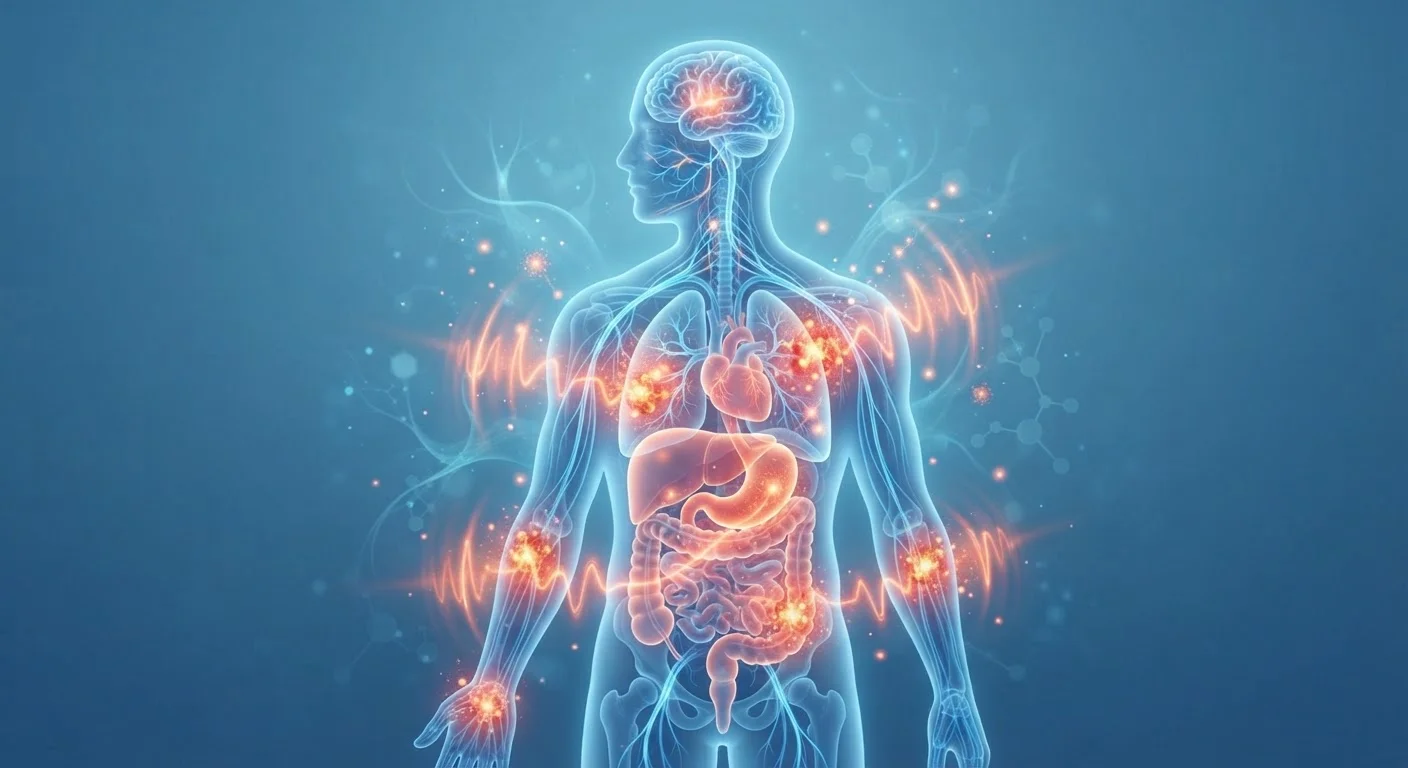
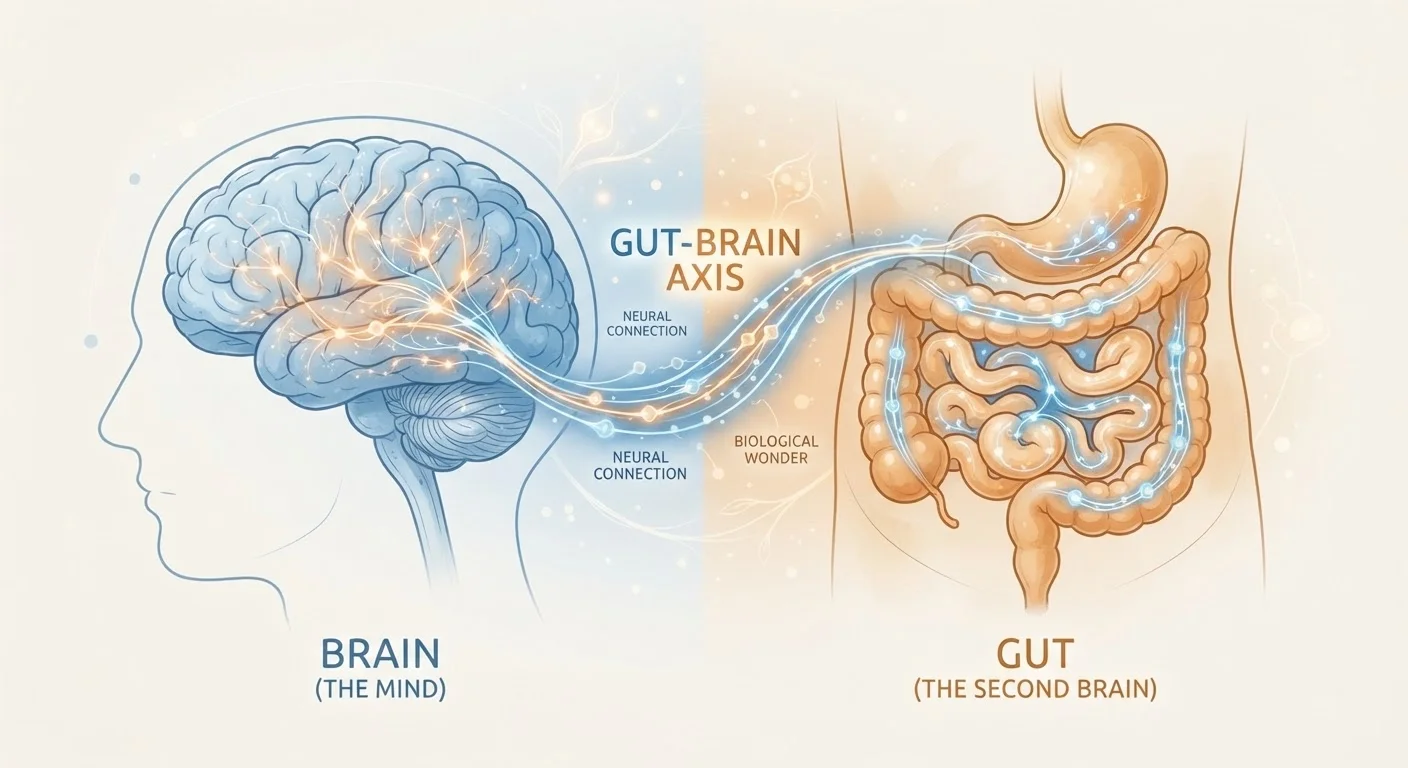
What is firmly established: the gut and brain maintain continuous, bidirectional communication. The vagus nerve acts as the main physical cable, but the conversation also happens through hormones, immune molecules, and compounds produced by gut bacteria. This isn't speculative - the anatomical and physiological pathways are well-described in peer-reviewed literature going back decades.
What remains actively debated: precisely how much the gut microbiome shapes human mental health, whether specific dietary changes produce measurable psychological effects, and whether any intervention targeting the microbiome can reliably treat mood disorders. For more on why health research produces seemingly contradictory headlines, see why nutrition science gets complicated.
A Note on Animal Research
Much of the most compelling gut-brain research has been conducted in mice and other animal models. These studies have helped researchers identify possible mechanisms, but findings don't always translate directly to human biology. When you see headlines about gut bacteria 'causing' depression or anxiety, it's worth checking whether the study involved animals or humans - the distinction matters significantly for how the findings should be interpreted.
What Stress Does to Your Gut (and Vice Versa)
One of the most clinically supported aspects of this research is the stress-gut connection. When psychological stress activates the body's autonomic nervous system, the effects on the gastrointestinal tract are measurable: altered motility (how quickly food moves through), changes in gut permeability, shifts in microbial populations, and increased sensitivity to pain signals.
This is why people experience stomach upset before a stressful event, and why conditions like irritable bowel syndrome (IBS) and functional dyspepsia have strong associations with anxiety and depression. The relationship appears to run in both directions - gut discomfort can worsen mood, and psychological distress can worsen gut symptoms.
Understanding this loop is useful context for the stress-inflammation connection, which overlaps with gut-brain research in meaningful ways.
500M+
Neurons in the enteric nervous system
The gut contains more than 500 million neurons, forming the enteric nervous system - a dense neural network that can regulate digestion independently of the brain.
~90%
Of body's serotonin produced in the gut
Research estimates that approximately 90-95% of the body's serotonin is synthesized in the gastrointestinal tract, though its role in brain-based mood regulation is more complex than this figure alone suggests.
38 trillion
Microorganisms in the human gut
Current estimates suggest the human gut hosts roughly 38 trillion microbial cells, outnumbering human cells at approximately a 1:1 ratio, according to research published in Cell.
The Microbiome's Role: Promising, Not Proven
Your gut hosts an estimated 38 trillion microorganisms - bacteria, fungi, viruses - that collectively produce metabolites, interact with the immune system, and generate precursors to neurotransmitters like serotonin. Approximately 90-95% of the body's serotonin is produced in the gut, though gut-produced serotonin does not cross directly into the brain and primarily regulates intestinal movement.
Animal studies have produced striking findings: germ-free mice raised without any gut bacteria show altered stress responses and behavior. But animal models don't translate perfectly to human physiology, and human microbiome studies face major methodological challenges - including the difficulty of establishing causation rather than correlation.
Probiotic trials for mood and cognition in humans have shown some modest positive signals, but the results are inconsistent across studies, strain-specific, and not yet robust enough to inform clinical recommendations. Researchers continue to investigate, and the picture may sharpen considerably in coming years. This connects to broader questions explored in our look at nutrition myths and the evidence behind them.
What You Can Actually Do With This Information
Even amid scientific uncertainty, the gut-brain axis research points toward habits that are well-supported for overall health - without needing to wait for every mechanism to be confirmed.
- Dietary variety: Diets rich in fiber and diverse plant foods are consistently associated with greater microbiome diversity. This doesn't require a specific protocol - incremental improvements in vegetable and legume intake are accessible and broadly supported.
- Stress awareness: Because stress demonstrably affects gut function, stress-reduction practices - whether movement, sleep prioritization, or structured relaxation - benefit both systems simultaneously. The connection between physical and mental health runs deeper than most people realize.
- Skepticism about gut-health products: Probiotic supplements and fermented foods are not harmful for most healthy adults, but marketing claims far outpace established evidence. Be cautious of products promising specific mental health outcomes.
Focus on What's Already Well-Supported
You don't need to wait for microbiome science to mature before benefiting from gut-brain research. Prioritizing sleep, managing chronic stress, eating a varied diet with plenty of fiber, and staying physically active all support both gut health and mental well-being through mechanisms researchers already understand reasonably well. These aren't dramatic interventions - but they're the ones with the broadest and most consistent evidence base.
The gut-brain axis is also one lens through which researchers are exploring interoception - your brain's ability to read internal body signals. Interoception research is an adjacent and equally compelling field for understanding mind-body health.
This article is for general informational purposes only and does not constitute medical advice. If you have concerns about digestive health, mental health, or related symptoms, consult a qualified healthcare professional.