
Why the Mind-Body Divide Is Outdated
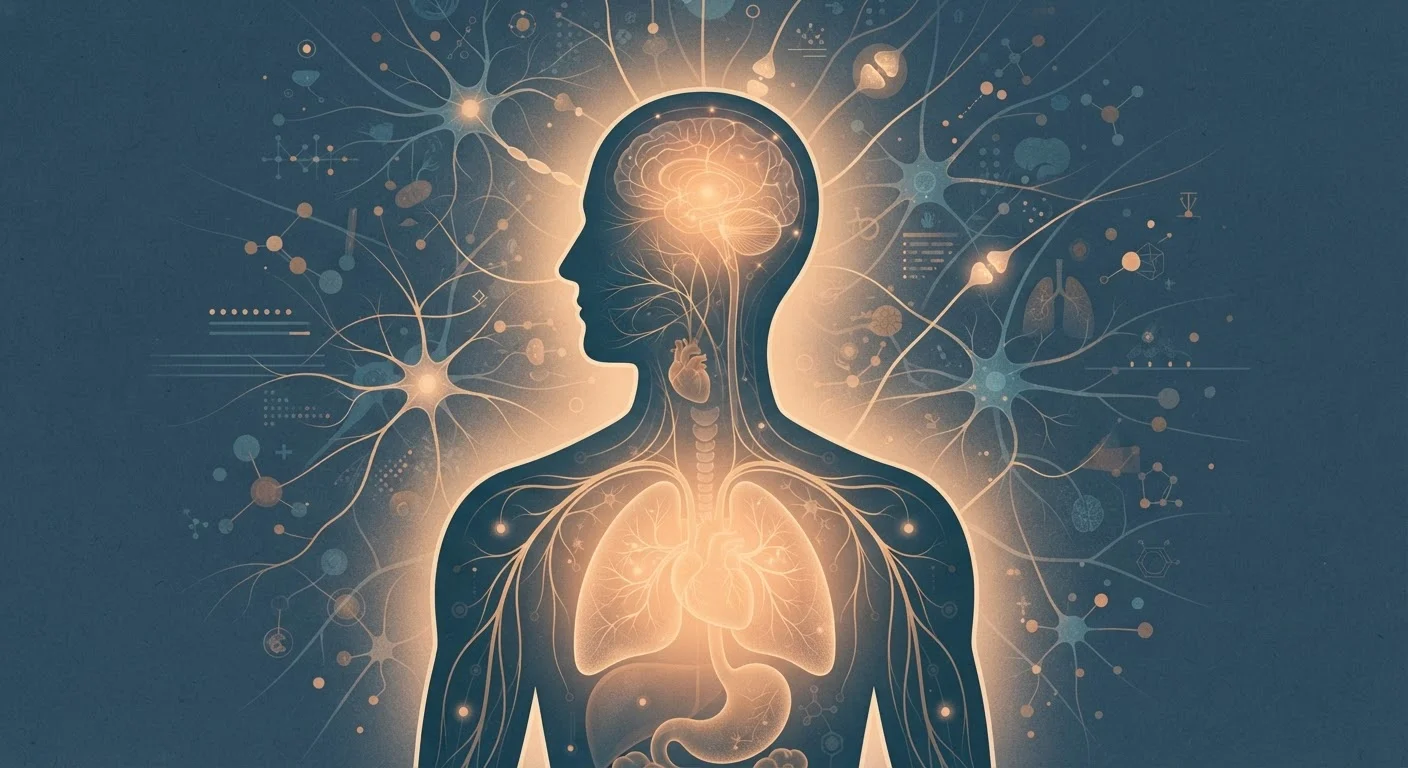
For much of modern history, physical health and mental health were treated as separate concerns - one belonged to the doctor's office, the other to the therapist's couch. That separation is increasingly seen as an oversimplification. Today, healthcare researchers and clinicians widely recognize that the body and mind are part of one interconnected system, each continuously shaping the other.
This doesn't mean every physical ailment has a psychological cause or that all mental distress is rooted in biology alone. What it does mean is that you can't fully understand one without considering the other. For everyday readers just beginning to explore this topic, this map of the connection is a practical starting point.
Autonomic nervous system
The part of your nervous system that controls automatic body functions - like breathing, heart rate, and digestion - without conscious effort. It has two main modes: one for stress responses and one for rest.
Cortisol
A hormone released by your body in response to stress. It's helpful in short-term situations but can cause problems when elevated for long periods.
Inflammation
Your immune system's response to injury, infection, or perceived threat. Chronic low-level inflammation has been associated with both physical illness and mood disorders.
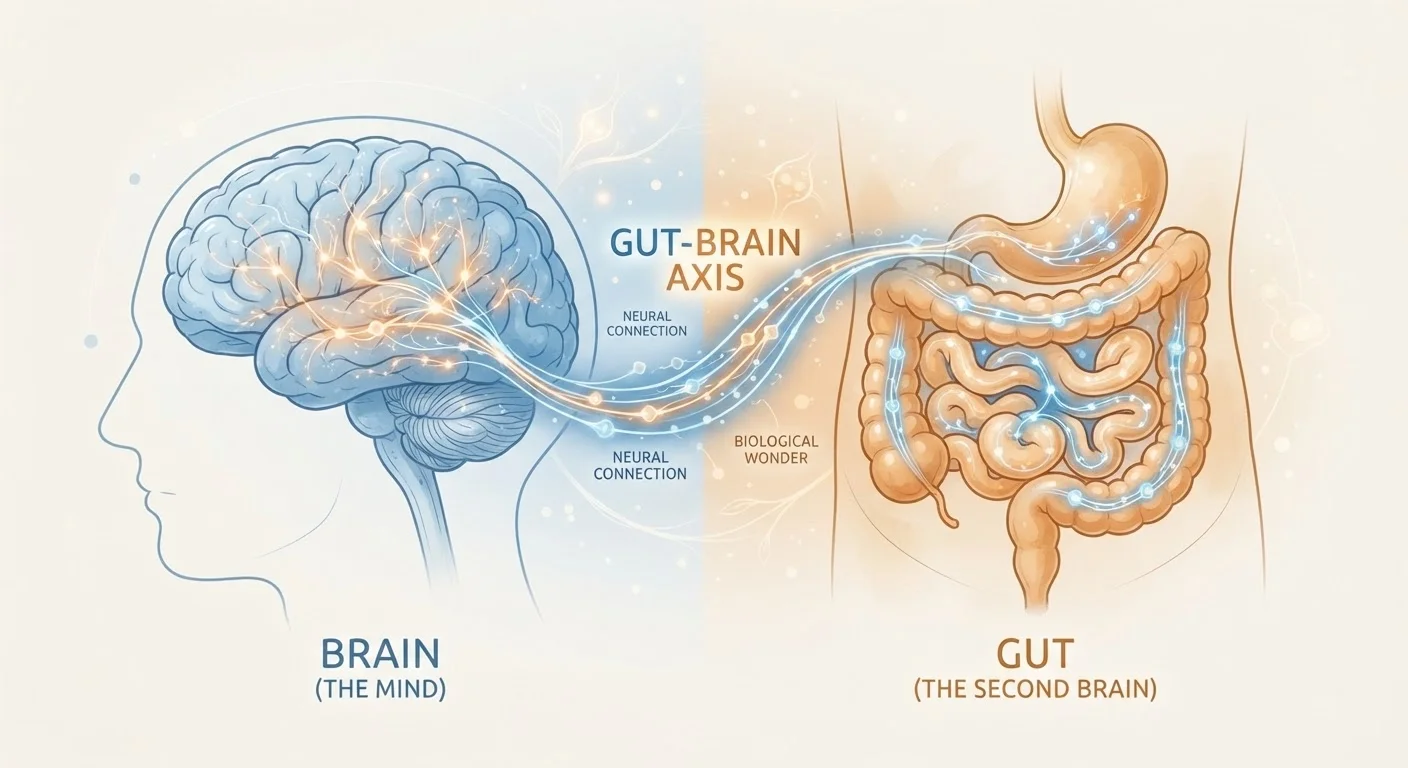
Gut-brain axis
The two-way communication network between your digestive system and your brain, involving nerves, hormones, and immune signals.
Interoception
Your ability to sense and interpret signals from inside your own body, such as hunger, thirst, a racing heart, or a tight chest.
Bidirectional relationship
A connection that flows both ways - in the context of health, it means physical conditions can affect mental health, and mental health can affect physical conditions.
Key Pathways Connecting Body and Mind
The body and brain stay in constant communication through several overlapping systems. Understanding these pathways - even at a basic level - helps explain why a stressful week can leave you physically exhausted, or why regular walks can lift your mood.
- The nervous system: The autonomic nervous system governs involuntary functions like heart rate and digestion. Its two branches - the sympathetic (fight-or-flight) and parasympathetic (rest-and-digest) - toggle based on perceived threat or safety. Chronic stress keeps the sympathetic branch activated, with measurable effects on physical health.
- Hormones: Cortisol, often called the stress hormone, is released by the adrenal glands in response to perceived threats. While useful in short bursts, chronically elevated cortisol is linked to disrupted sleep, immune suppression, and metabolic changes.
- The immune system: Inflammation - the immune system's response to injury or infection - also plays a role in mood regulation. Elevated inflammatory markers have been observed in some people experiencing depression, though the exact relationship is still being studied.
- The gut-brain axis: The gut contains millions of nerve cells and communicates with the brain via the vagus nerve and other pathways. For an evidence-grounded look at this area, see The Gut-Brain Axis: What the Research Actually Says.
How Physical Health Affects Mental State
Physical conditions don't just create discomfort in the body - they can reshape how a person thinks, feels, and copes. People living with chronic pain, heart disease, or autoimmune conditions report significantly higher rates of depression and anxiety compared to the general population. This isn't a character flaw or a failure of willpower; it reflects genuine biological and psychological overlap.
Sleep is one of the clearest examples of this interaction. Poor sleep - whether caused by a physical condition or simply irregular habits - is consistently linked to irritability, impaired concentration, and increased emotional reactivity. Nutrition also plays a role: diets high in ultra-processed foods are associated in some research with worse mood outcomes, while diets rich in vegetables, whole grains, and lean proteins trend in the other direction. The Nutrition Basics hub offers a practical introduction to foundational food concepts if you'd like to explore that thread further.
Small Physical Habits Have Mental Returns
You don't need an intense fitness regimen to see mental health benefits from movement. Even short, consistent bouts of walking or light activity are associated with improved mood and reduced stress in research studies. Similarly, prioritizing a regular sleep schedule is one of the most accessible steps you can take to support both physical recovery and emotional regulation.
How Mental Health Shows Up in the Body
The reverse pathway is equally real. Anxiety, depression, and chronic stress each have well-documented physical signatures. Anxiety commonly manifests as muscle tension, rapid heartbeat, and gastrointestinal distress. Depression is frequently associated with fatigue, changes in appetite, and reduced immune responsiveness. Chronic psychological stress is linked to elevated blood pressure and increased risk of cardiovascular disease over time.
One useful concept here is interoception - your ability to sense internal body signals like hunger, heartbeat, or breathlessness. Research suggests interoception is closely tied to emotional awareness. If you're curious about this internal sense, Interoception: The Body Sense You Probably Never Learned About is a worthwhile next read.
Symptoms Can Have Multiple Contributing Factors
Physical symptoms like fatigue, headaches, or stomach upset can stem from physical causes, psychological factors, or both simultaneously. This is why a thorough medical evaluation is important before attributing symptoms to stress or mental health alone. A healthcare professional can help you understand what's driving your symptoms and how to address them appropriately.
Where to Go From Here
Understanding the mind-body connection is genuinely useful - but it becomes most valuable when it informs how you approach your daily routines. Small, consistent habits around sleep, movement, nutrition, and stress management act on both physical and mental health simultaneously, rather than treating them as separate problems.
A good practical next step is the Daily Wellbeing Habits: A Self-Check for Mind and Body, which helps you take stock of where your current routines stand. If you're interested in practices that deliberately bridge the body and mind, Mind-Body Practices Side by Side compares yoga, tai chi, and mindfulness meditation in plain terms. For a deeper look at building sustainable habits, Supporting Body-Mind Health Day to Day covers evidence-informed approaches and common pitfalls to avoid.
This article covers general health information to help you understand how physical and mental wellbeing relate. It is not a substitute for personalized guidance from a qualified healthcare professional. If you have concerns about your physical or mental health, please consult a licensed provider.
This article is for informational and educational purposes only and does not constitute medical advice, diagnosis, or treatment. Always seek the guidance of a qualified healthcare professional with any questions you may have regarding your health.
Everyday Habits Hub
A collection of practical, evidence-informed articles on simple daily routines that support overall physical and mental wellbeing. A natural companion to this introductory overview.
Nutrition Basics Hub
Foundational articles on food and diet concepts for readers who want to understand how nutrition fits into their overall health picture - including its relationship to mood and energy.
Daily Wellbeing Self-Check
A structured checklist covering sleep, movement, nutrition, stress, and social connection - helping you identify where your current habits are strong and where there may be room to grow.