
Understanding the System Before You Set Foot on a Platform
Every city's transit network has its own logic - different fare structures, line naming conventions, and physical layouts. Arriving without a basic mental map leads to missed connections and wasted time. A few minutes of research before departure goes a long way.
Start by identifying which transit modes serve the areas on your itinerary. A well-structured travel itinerary will already list your key destinations; use those locations to map out which transit lines you'll actually need. Most transit authorities publish interactive or printable maps on their official sites - these are more reliable than third-party aggregators for understanding fare zones and transfer rules.
Pay attention to fare structure early. Zone-based systems charge more the farther you travel, while flat-fare systems charge the same regardless of distance. Distance-based systems meter the exact journey. Understanding your city's model helps you estimate daily costs and decide whether a day pass makes financial sense.
What you will need
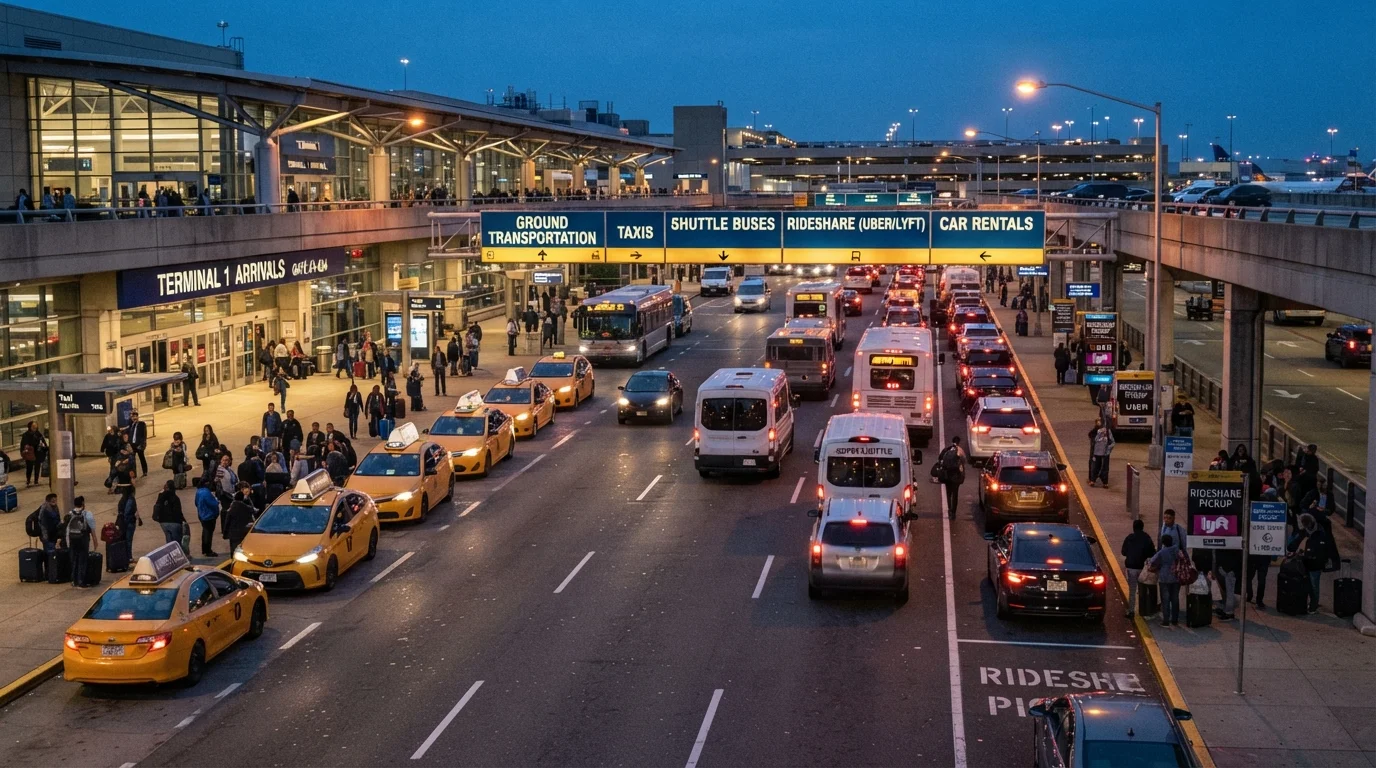
If you're arriving at an airport, the transit connection to the city center is often a separate rail line or express bus with its own ticketing. See our guide to ground transportation at major U.S. airports for how airport-to-city transit typically works.
Download Offline Maps Before You Leave
Apps like Google Maps and Citymapper allow you to download city transit data for offline use. Do this on Wi-Fi before you travel - cell service is often spotty or absent underground, and roaming data can be expensive. Having offline transit routes means you can navigate confidently even without a signal.
Step-by-Step: Using the Transit System on the Ground
Once you've done the prep work, the actual experience of navigating unfamiliar transit becomes a manageable sequence of steps. Use the tools and cards listed below, then follow the steps to get from your starting point to your destination safely and efficiently.
Transit navigation app (e.g., Google Maps, Citymapper)
Plan routes, check real-time departures, and navigate transfers between lines.
Rechargeable transit card
Load credit for rides and avoid per-trip surcharges that come with paper tickets.
Offline city map
Navigate transit stops and walking directions when underground or without cell service.
Small amount of local cash
Some transit kiosks or buses only accept cash for card purchases or top-ups.
Identify the transit network before you arrive
Start by looking up the city's official transit authority website. Determine which modes are available - metro/subway, bus, light rail, or tram - and which ones serve the areas you plan to visit. Note whether the system uses a flat fare, a zone-based fare, or a distance-based fare, as this affects how much you'll load onto a card.
Get and load a transit card at the station
On arrival, go directly to a transit kiosk or staffed ticket window at the main station. Purchase a rechargeable card (often called a smart card or contactless card) rather than single-ride tickets. Load an amount that covers at least two to three days of travel based on the fare structure you researched. Some cities allow you to tap a contactless bank card directly - check the transit authority's website to confirm before assuming this works.
Read the system map and identify your route
Locate your current station and your destination station on the map. Identify which line or lines connect them, noting the terminal station name in the direction you're traveling - this is the name shown on platform signs and train displays. If a transfer is required, note the interchange station and the connecting line. Most modern transit apps will calculate this automatically, but understanding the manual process helps when apps fail.
Board correctly and validate your fare
At the platform entrance, tap your card on the reader or pass through the turnstile. On buses and trams without barriers, tap immediately upon boarding - do not wait. Stand behind the yellow line until the vehicle stops fully. On subways, let passengers exit before you board. If you're unsure which direction the train is going, check the destination displayed on the front of the vehicle or on the platform screen.
Track your progress and exit at the right stop
Open your transit app and follow along in real time, or count stops against the map. Most metro cars and buses display the next stop on an interior screen or announce it audibly. When approaching your stop, move toward the doors one stop early to avoid being caught in a crowd. On systems that require exit tapping (many do), tap out as you leave to avoid an overcharge or a flat maximum fare.
Top up your card and review your balance regularly
Check your card balance at any kiosk, on the transit app, or at the tap reader (many display remaining balance after each tap). Top up before the balance drops too low - running out of fare mid-journey can mean paying full price for a new ticket. In cities with daily or weekly fare caps, riding more in a single day may trigger automatic discounts on subsequent journeys.
Validate Your Fare Every Single Time
Many transit systems use proof-of-payment enforcement rather than turnstiles, meaning you can board without tapping - but inspectors can issue on-the-spot fines if your fare isn't validated. Fines typically range from $50 to $200 or more. Always tap your card or stamp your ticket before or immediately upon boarding, even if no one appears to be checking.
Solo travelers in particular benefit from learning the local transit system thoroughly - it reduces dependence on rideshares and gives you more flexibility. Our practical guide to solo travel planning covers other logistics worth addressing before you head out alone.
Verify Entry Requirements and Local Rules
Transit rules vary widely between cities and countries - including which side to stand on escalators, whether eating or drinking is permitted, and designated quiet cars. In some cities, certain zones or passes require separate validation. When traveling internationally, always check official transit authority websites or your government's travel advisory pages for current conditions before you go.
For a broader view of every stage of an international trip - including transit considerations abroad - see Planning Your First International Trip From the US.