
The Three Main Options at a Glance
When you travel internationally, you have three realistic ways to stay connected on your phone: buy a local SIM card at your destination, activate an eSIM (embedded SIM) plan before or after you arrive, or add an international feature to your existing US carrier plan. Each approach involves real trade-offs across cost, convenience, and compatibility.
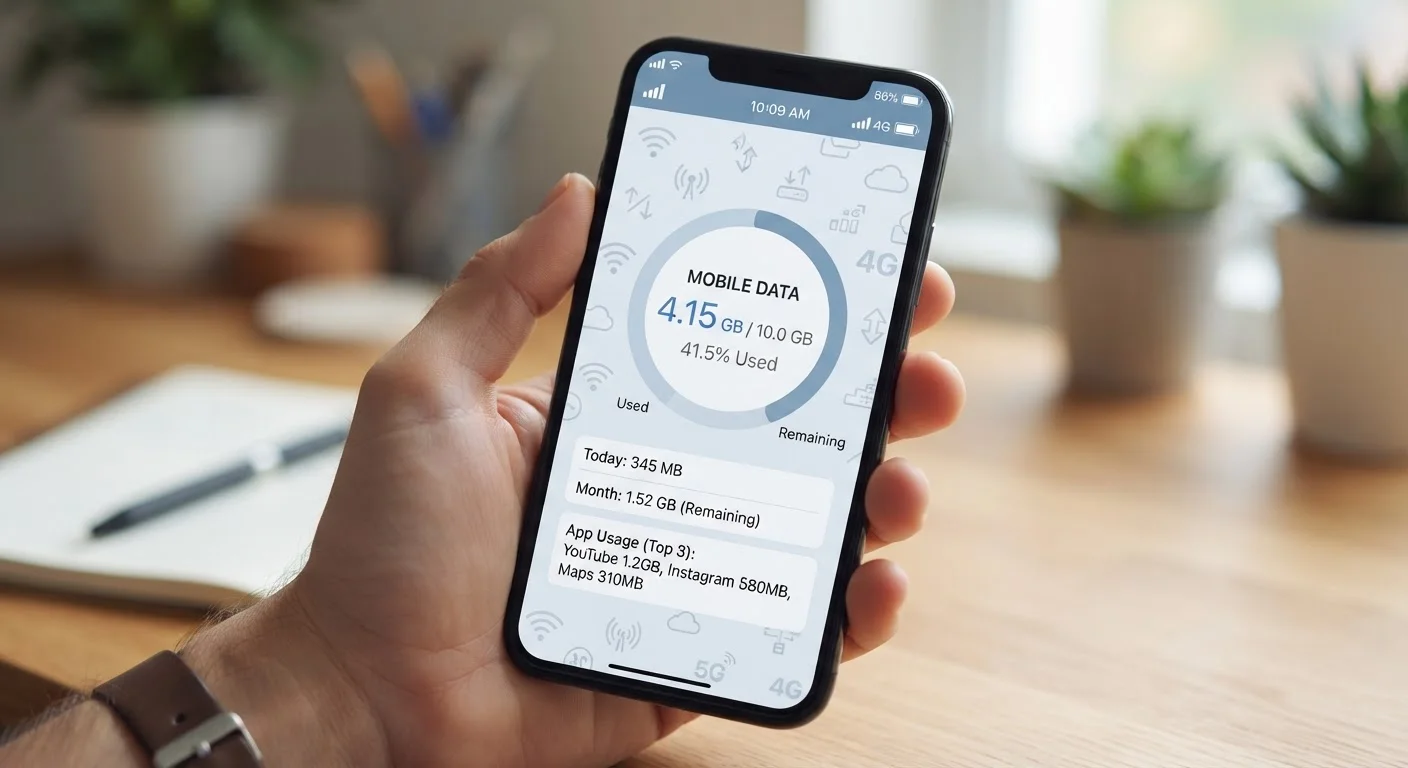
Before diving into the differences, make sure you understand what data terms like gigabytes, throttling, and deprioritization actually mean for your usage - see our plain-English data plan explainer for a solid foundation. These concepts carry over directly to travel plans.
| Local SIM Card | eSIM Travel Plan | Carrier International Add-On | |
|---|---|---|---|
| Typical cost | Low (varies by country) | Low to moderate | Moderate to high |
| Setup effort | Moderate - physical swap required | Low - digital activation | Very low - one tap or call |
| Phone requirement | Unlocked device with SIM tray | eSIM-compatible, often unlocked | Any compatible device |
| Data value (GB per dollar) | Generally highest | Moderate to high | Generally lowest |
| Multi-country use | Requires new SIM per country | Regional plans available | Broad coverage, check partners |
| Keeps US number active | No | Dual-SIM devices only | Yes |
| Pre-departure setup | Not possible | Yes | Yes |
Local SIM Cards: Most Value, Most Setup
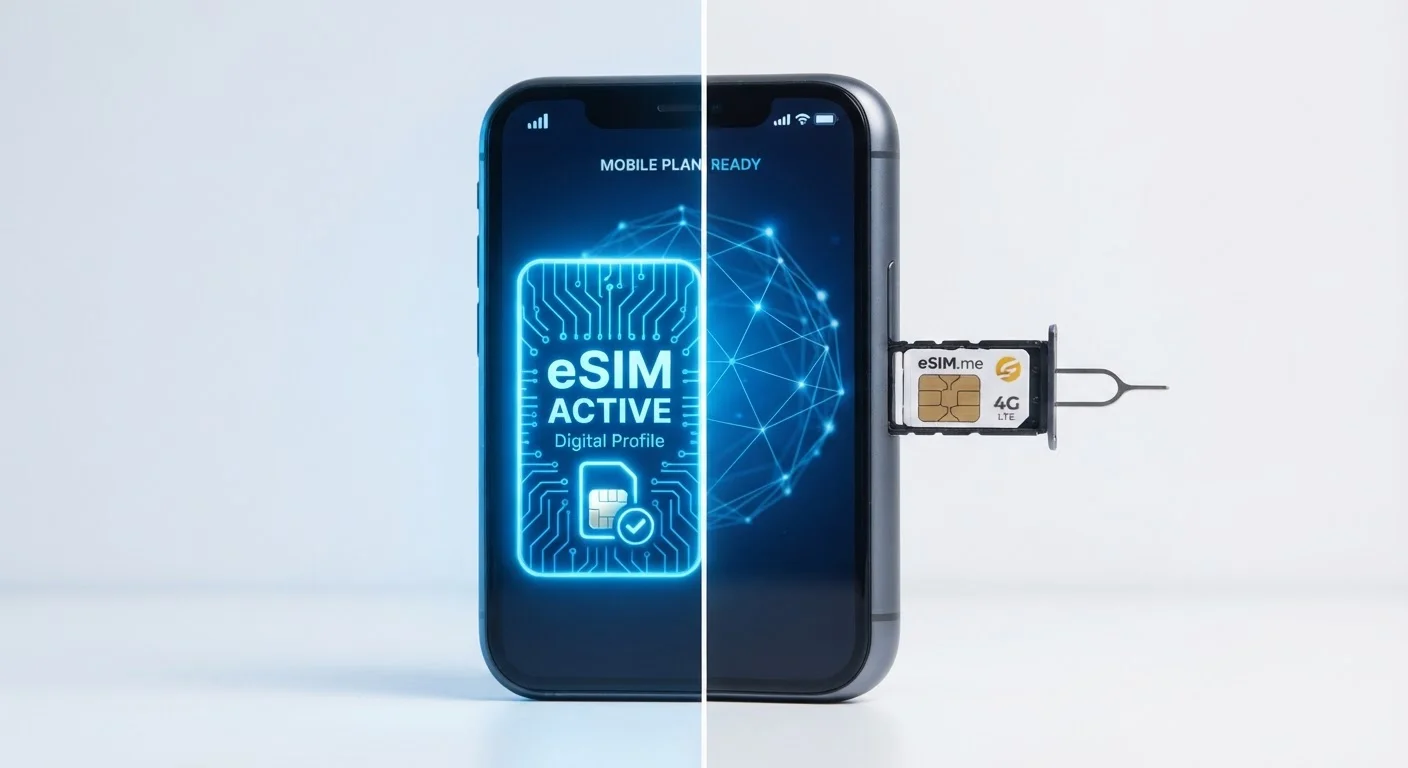
Purchasing a prepaid SIM card from a local carrier at your destination is generally the most cost-effective approach for stays of five days or longer. You'll typically get a local phone number, a substantial data allotment, and - in many countries - calls and texts at local rates, all for a fraction of what US carriers charge for international access.
The catch: your phone must be unlocked. A locked device is tied to your home carrier and will not accept a foreign SIM. Contact your carrier to verify unlock status before you travel. You also need a phone with a physical SIM tray, which is becoming less universal as manufacturers move toward eSIM-only designs.
Store Your US SIM Safely
When swapping in a local SIM card, place your US SIM in a labeled envelope or your phone's original SIM ejector tool case. Losing it means losing your domestic number until your carrier issues a replacement. A small resealable bag in your travel wallet works well for this purpose.
Setup involves physically swapping your US SIM (store it safely - you'll want it back), inserting the local card, and configuring APN settings if they don't auto-populate. SIM vendors at major international airports and city convenience stores make this relatively painless, though availability and English-language support vary by country.
eSIMs: Convenient and Pre-Trip Ready
An eSIM is a digital SIM embedded in your device. Instead of swapping a physical card, you download a carrier profile - usually via a QR code or an app - and activate it. Many travelers now purchase an eSIM travel plan days before departure so connectivity begins the moment they land.
For a deeper comparison of how eSIM and physical SIM work day-to-day, see our eSIM vs. physical SIM breakdown. Compatibility is the primary hurdle: not all phones support eSIM, and some carriers lock eSIM functionality even on compatible hardware. Check your device specifications before purchasing a plan.
eSIM travel plans are available from both major US carriers and third-party providers. Coverage, data caps, and throttling policies differ significantly between them, so read plan terms carefully - the same scrutiny you'd apply to a home internet contract, as outlined in our internet contract checklist, applies here too.
Carrier International Add-Ons: Simplest, but at a Cost
Most major US carriers offer international day passes or monthly add-ons that extend your existing plan to work abroad. You keep your US number, your contacts don't need to re-learn how to reach you, and there's no SIM swapping involved.
The trade-off is cost. Per-gigabyte rates on carrier international add-ons typically run several times higher than what a local SIM would provide. Day passes often make sense for trips of two to three days, but the math shifts unfavorably on longer trips. Data speeds may also be reduced or deprioritized on partner networks abroad - check your carrier's documentation for the specific countries on your itinerary.
Watch for Bill Shock on Roaming
If you travel without adding an international plan and your phone connects to a foreign network, your carrier may apply standard roaming rates - which can be extremely high per megabyte. Before departure, either activate an add-on or turn off cellular data in your phone's settings and rely on Wi-Fi only, to avoid unexpected charges on your next bill.
International data management fits neatly into the broader picture of planning a trip abroad. If you're new to international travel, our first international trip guide walks through every pre-departure step, including connectivity planning alongside visas, currency, and logistics.
How to Choose Before You Leave
Run through this decision framework before your departure date:
- Check your phone's unlock status and eSIM compatibility - these determine which options are even available to you.
- Estimate your daily data needs. Navigation, messaging, and occasional browsing use far less data than streaming video. A realistic estimate prevents overpaying for unused gigabytes.
- Calculate total trip cost for each option, not just the headline price. Factor in how many days you'll be there and whether you're crossing multiple countries - eSIM plans with regional or multi-country coverage often outperform per-country local SIMs for complex itineraries.
- Verify coverage in your specific destination. Rural areas and smaller islands may have limited network partners regardless of which plan you choose.
Connectivity is one logistical layer among many. For a broader view of how international trip planning differs from domestic travel, see our domestic vs. international planning comparison.
Prices, plan terms, and carrier policies vary and are subject to change. Always verify current details directly with your carrier or plan provider before purchasing.