The Region Is Not One Place
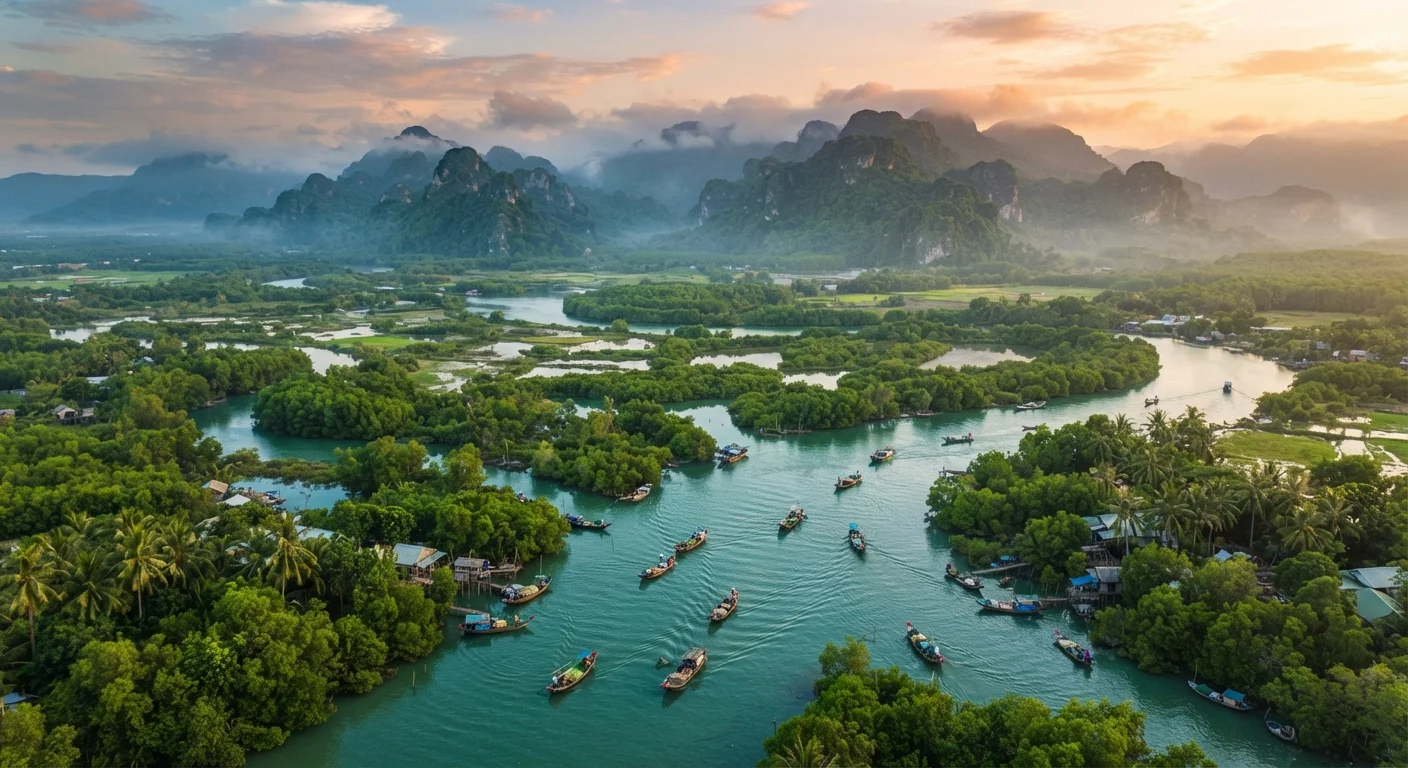
Southeast Asia is made up of 11 countries - among them Thailand, Vietnam, Indonesia, the Philippines, Cambodia, Myanmar, Laos, Malaysia, Singapore, Brunei, and Timor-Leste - spanning an area larger than the contiguous United States. First-time visitors often approach it as a single, interchangeable destination. It isn't.
Singapore is a modern city-state with world-class transit and strict public ordinances. Rural Laos has villages accessible only by boat or unpaved road. Bali's Hindu temple culture operates by entirely different social norms than majority-Muslim Java, which is on the same island chain. Each country carries its own history, language, religion, and infrastructure reality.
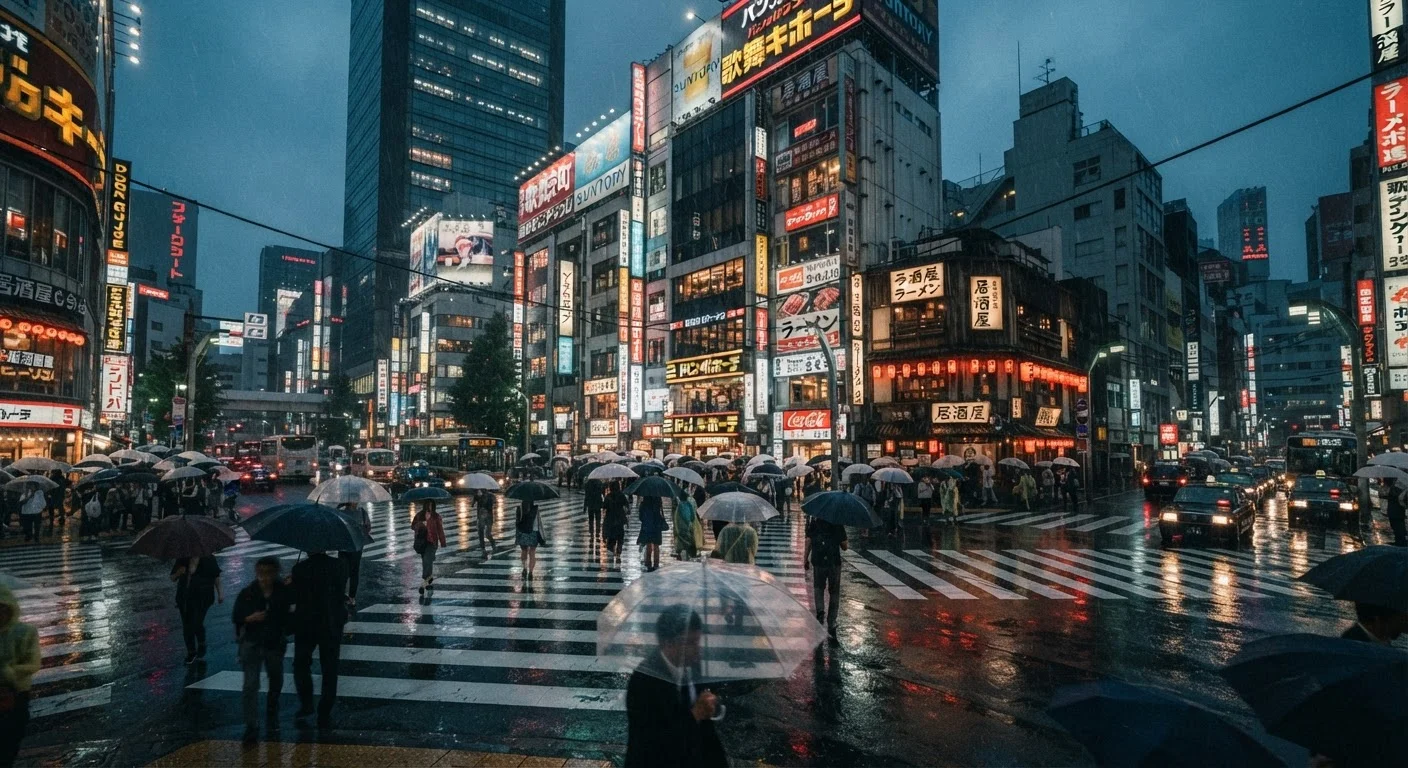
This matters for planning. If you're comparing Southeast Asia to what first-time visitors to Japan experience, expect less predictability and more variation - which is precisely what draws many travelers here. Build your expectations around specific countries and regions, not a blanket idea of "Asia."
Monsoon season
A seasonal shift in wind patterns that brings heavy, sustained rainfall to much of Southeast Asia. The timing and intensity differ by country and even by coast.
Visa on arrival
A visa obtained at a border crossing or airport upon entry, rather than applied for in advance. Fees and eligibility vary by nationality and destination country.
Low-cost carrier (LCC)
A budget airline that offers lower base fares but charges separately for extras like checked baggage, meals, and seat selection. Common throughout Southeast Asia.
Grab
A ride-hailing app widely used across Southeast Asia, similar to Uber. It allows you to book car or motorbike rides with upfront pricing in most major cities.
Face-saving culture
A social norm in which avoiding public embarrassment - for yourself and others - shapes how conflicts and disagreements are handled. Directness or confrontation can be seen as disrespectful.
Climate and Timing: What You Need to Know First
The region straddles the equator and runs through multiple climate zones. Most of mainland Southeast Asia - Thailand, Vietnam, Cambodia, Laos - experiences a wet season roughly from May through October and a drier season from November through April. However, Vietnam's north and south can be out of sync with each other, and the central coast has its own monsoon window.
Island destinations add another layer: the Andaman coast of Thailand and the Gulf of Thailand side experience opposite wet seasons from each other. The Philippines has dozens of microclimates influenced by its 7,000-plus islands.
Heavy monsoon rains don't necessarily make a destination unvisitable, but they can flood temples, close hiking trails, make boat trips dangerous, and dramatically change the mood of beach destinations. Researching the specific climate for each country and region on your itinerary - not just the region as a whole - is one of the most valuable planning steps you can take. See our guide to building a well-structured itinerary for how to map climate windows into your travel plan.
Infrastructure, Getting Around, and What to Expect On the Ground
Transportation quality varies as sharply as culture. Singapore's MRT is among the most efficient metro systems in the world. Bangkok has an expanding rail network, though traffic congestion remains significant. In rural Cambodia or northern Laos, you may be on unpaved roads in a shared minivan for hours between towns.
Intercity travel often involves a combination of buses, minivans, trains, ferries, and budget flights. Low-cost carriers like AirAsia and VietJet operate extensively within the region, making flights between major cities affordable - though baggage fees and booking nuances apply. For longer overland routes, overnight sleeper trains in Vietnam or Thailand can be both economical and practical.
Ride-hailing apps (Grab operates widely across the region) are reliable in urban areas and remove the friction of fare negotiation. In cities with heavy motorbike culture, you'll also find motorbike taxi services and tuk-tuks. Cash remains important in many areas, particularly outside major tourist zones - always carry local currency. The Travel Logistics hub covers accommodation and on-the-ground essentials in more depth.
Download Offline Maps Before You Arrive
Mobile data can be spotty in rural areas and across border crossings. Download offline maps for each country you'll visit using an app like Maps.me or Google Maps' offline feature before you leave your accommodation. A local SIM card with a data plan is also one of the most useful purchases you can make at any major airport in the region.
Culture, Etiquette, and Common Misunderstandings
Religious observance shapes daily life across the region in ways that directly affect visitors. Buddhist temples - common across Thailand, Cambodia, Laos, and Myanmar - typically require covered shoulders and knees. Shoes are removed before entering. Photography inside sacred spaces is sometimes restricted. Mosques in Malaysia, Indonesia, and Brunei have similar dress requirements and separate spaces for men and women.
Public behavior norms differ meaningfully from the US. Displays of frustration or raised voices are widely considered embarrassing and counterproductive - the concept of saving face shapes how disagreements are handled. Bargaining is expected in markets but not in shops with fixed-price signs. Tipping is not universal and varies by country; practices differ considerably between Thailand and Vietnam, for example.
Tourists who research destination-specific customs - rather than assuming regional uniformity - tend to have smoother, richer experiences. The effort communicates respect and usually opens doors that impatience closes.
Entry Requirements, Health, and Safety Basics
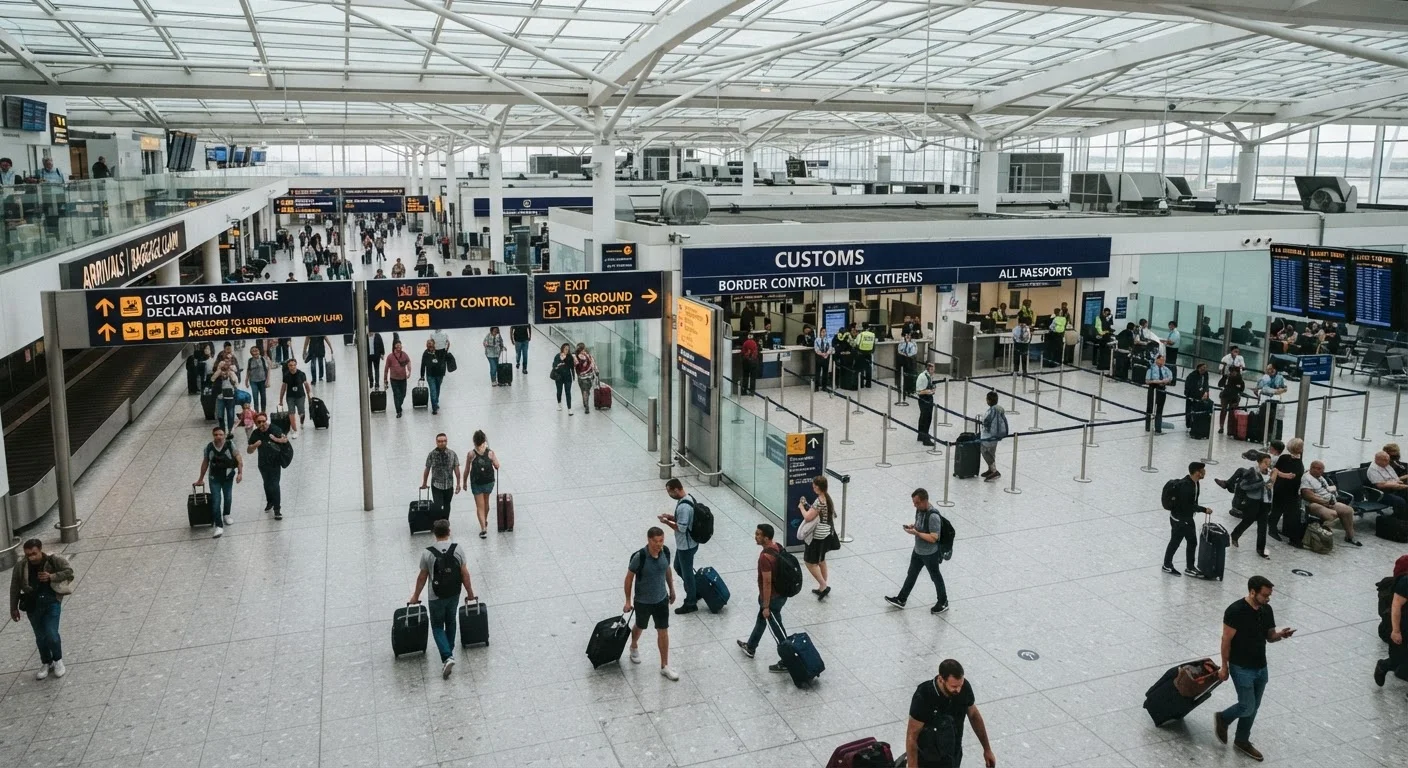
US passport holders can enter many Southeast Asian countries without a visa for short stays, but rules vary and change. Vietnam, for instance, has updated its visa-free policies in recent years. Some countries offer visa-on-arrival with a small fee. Always verify current requirements through official embassy websites or the US State Department's travel portal before booking flights.
Health considerations depend on your destinations and activities. Some countries or rural areas may prompt recommendations for vaccinations or antimalarial precautions - consult a travel medicine clinic or your doctor at least 4-6 weeks before departure, as some vaccines require lead time. Carry a basic health kit and know how to access medical care in each country you visit. Travel insurance that includes medical evacuation coverage is widely recommended for this region. This is general information only; a qualified healthcare professional should guide your personal health preparations.
Road safety deserves particular attention: traffic accidents are a leading cause of traveler injury in the region. Renting motorbikes without experience, riding without helmets, or traveling on overnight buses on mountain roads carries real risk. Make transport decisions with clear eyes. For a broader arrival-day checklist, see our practical arrival checklist for first-time international travelers.
Entry requirements, health recommendations, and safety conditions can change. Always verify current information through official government and health authority sources before you travel. This article is for general informational purposes only and does not constitute medical or legal advice.