The Gap Between Japan's Image and the Actual Trip
Japan consistently ranks among the most-anticipated destinations for American travelers, and for good reason. The food is exceptional, the infrastructure is reliable, and the cultural depth is genuine. But social media and travel glossies tend to compress the experience into cherry blossoms, quiet temples, and perfectly plated ramen - leaving out the parts that actually shape a trip.
First-time visitors frequently arrive with a mental picture assembled from highlight reels. What they encounter is richer and more complex than that picture suggests - sometimes in pleasant ways, sometimes in ways that require real adjustment. Understanding those gaps before you book helps you plan smarter and travel with fewer surprises. If you're still early in the planning process, our guide to planning your first international trip covers the foundational logistics worth sorting before destination-specific details come into play.
Myth
You need to speak Japanese to get around - the language barrier will make independent travel difficult.
Fact
Most transportation hubs, tourist sites, and many restaurants have English signage or menus, and translation apps fill most remaining gaps.
Japan's major transit systems - including the Tokyo Metro, JR lines, and shinkansen - have comprehensive English signage and announcements. Google Translate's camera feature handles most menus and signs in real time. That said, learning a handful of phrases (greetings, "excuse me," "thank you," basic numbers) is genuinely appreciated and makes interactions smoother. English fluency among locals varies widely; speaking slowly and clearly helps more than speaking loudly.
Myth
Japan is prohibitively expensive for American travelers.
Fact
Japan's cost level is comparable to many Western European cities, and budget-conscious travel is very feasible with the right approach.
Convenience store meals (onigiri, sandwiches, hot foods at chains like 7-Eleven and Lawson) are filling and cost roughly $2-$5. Ramen, soba, and set-lunch menus at sit-down restaurants often run $8-$15. Accommodation ranges from capsule hotels and guesthouses to mid-range business hotels. High-end ryokan and omakase dining are genuinely expensive, but they're optional - not representative of the entire trip. The yen's relative weakness against the dollar in recent years has also made Japan more affordable for American visitors than it was historically, though exchange rates fluctuate and should be verified before travel.
Myth
Japan is a monolithic culture - Tokyo and Kyoto represent the full range of the country.
Fact
Japan's regions vary dramatically in food, dialect, landscape, and pace of life - and many travelers find smaller cities and rural areas equally rewarding.
Osaka has a distinctly different energy and culinary identity from Tokyo. Hiroshima carries historical weight that shapes the entire visit. Kanazawa, Nikko, and the Noto Peninsula offer traditional crafts, landscapes, and cultural depth with a fraction of the tourist traffic of the major cities. Even within Tokyo, neighborhoods like Shimokitazawa, Yanaka, and Koenji feel substantially different from the Shibuya-Shinjuku corridor. A trip that ventures beyond the standard two-city circuit is almost always richer for it.
Myth
Japanese hospitality means locals will always approach and offer help - you won't need to ask.
Fact
Japanese social norms generally favor not intruding on strangers, so proactively asking for assistance is often more effective than waiting.
The concept of meiwaku (causing inconvenience to others) means many Japanese people are hesitant to approach strangers uninvited. If you're lost or need help, approaching someone - particularly younger people or staff at convenience stores - and asking politely is almost always met with genuine effort to assist. Hospitality in Japan is real and deep, but it often operates on a different social script than American visitors expect. Patience and a willingness to initiate go a long way.
Myth
Tipping is expected, especially at higher-end restaurants and hotels.
Fact
Tipping is not practiced in Japan and can cause confusion or mild offense - service quality is built into the professional culture, not tied to gratuities.
This is one of the sharpest contrasts with American travel norms. Leaving cash on the table or offering a tip to a hotel porter may result in staff chasing you down to return it - not out of rudeness, but because the gesture sits outside the cultural context. Service in Japan is typically attentive and precise as a professional standard, not in expectation of additional payment. Accepting that directly is part of traveling respectfully in Japan.
Practical Realities That Catch Visitors Off Guard
Beyond the cultural misconceptions, there are logistical realities that first-timers consistently underestimate. Cash dependency is chief among them. Many restaurants, rural accommodations, and smaller shops remain cash-only, and ATMs that reliably accept foreign cards are most common at 7-Eleven and Japan Post locations. Arriving with a plan to access yen - not just a credit card - prevents avoidable friction.
The transit system is genuinely excellent, but it demands preparation. IC cards (rechargeable transit cards like Suica or Pasmo) simplify travel on trains and subways across most of the country and can even be used at many convenience stores. The Japan Rail Pass, which covers most shinkansen (bullet train) routes, is worth evaluating based on your actual itinerary - it's not always the most cost-effective option for every trip structure.
Verify Entry and Health Requirements Before You Travel
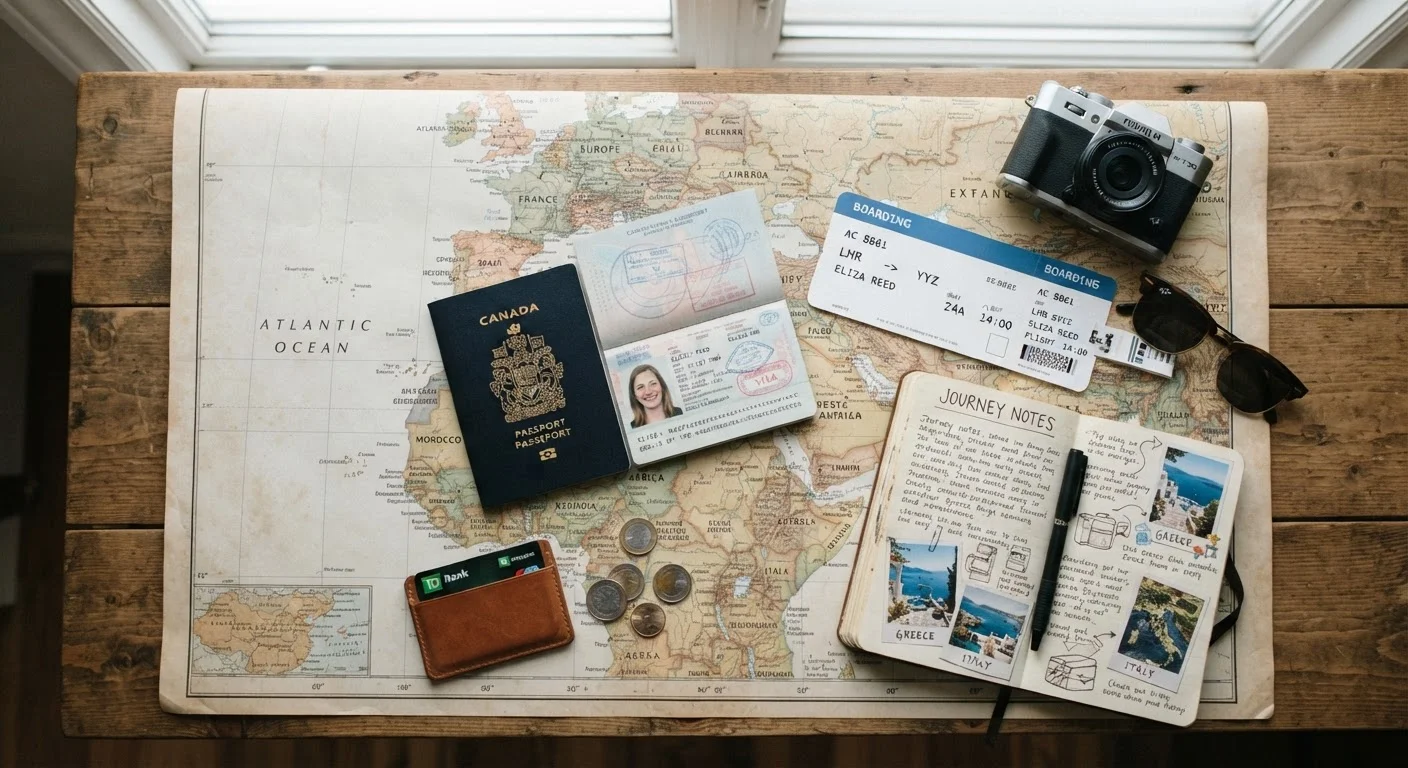
Japan's entry requirements - including visa status for American passport holders, any health documentation, and customs rules - can change. Always check official sources such as the Japanese Embassy in the US and the US State Department's Japan travel page before finalizing your trip. Do not rely on travel blogs or social media posts for current entry rules.
Accommodation choices also shape the experience more than many visitors anticipate. Business hotels offer compact, efficient rooms - functional but not spacious by American standards. Ryokan stays, which involve sleeping on futons, communal or private onsen (hot spring baths), and multi-course kaiseki meals, are a genuinely different experience that merits some research before booking. Dress codes in onsen (no swimwear; tattoos may be restricted at some facilities) are among the practical details worth knowing in advance.
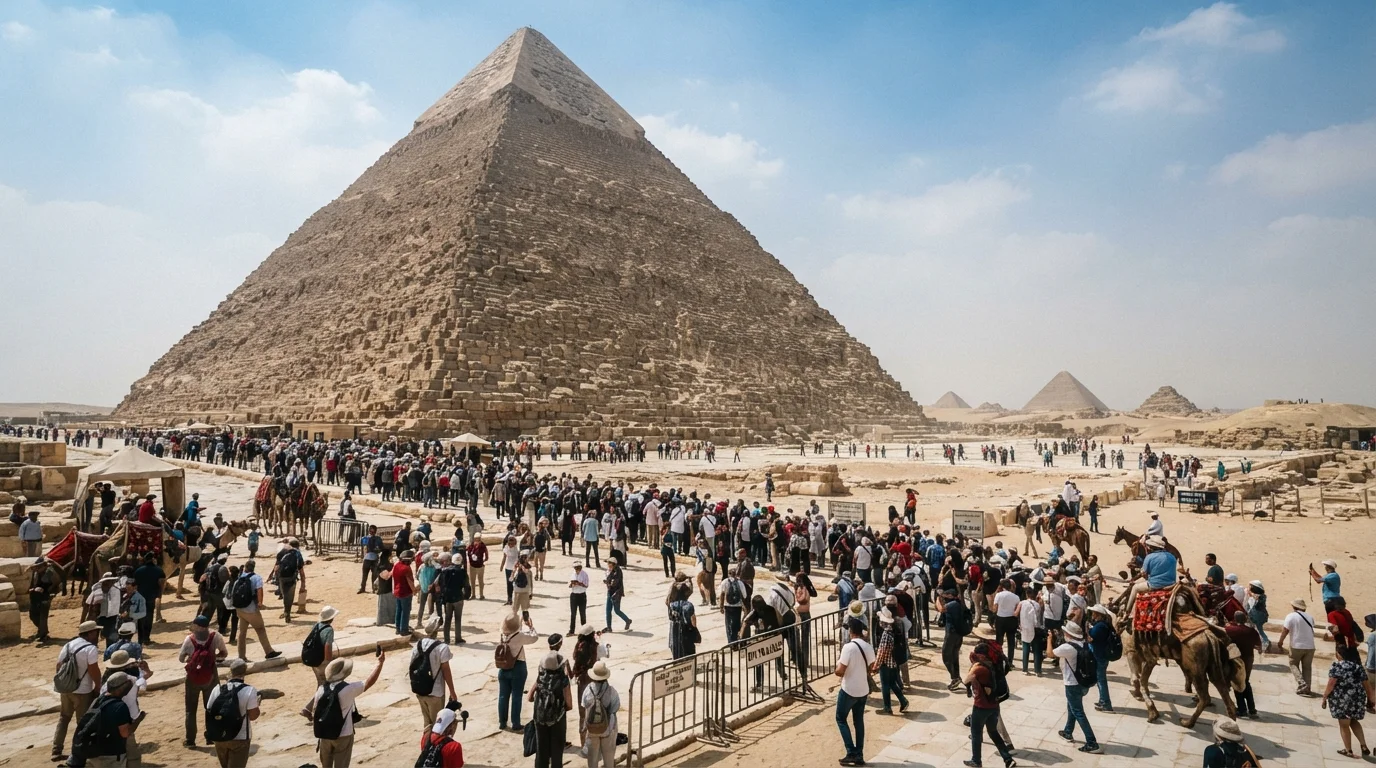
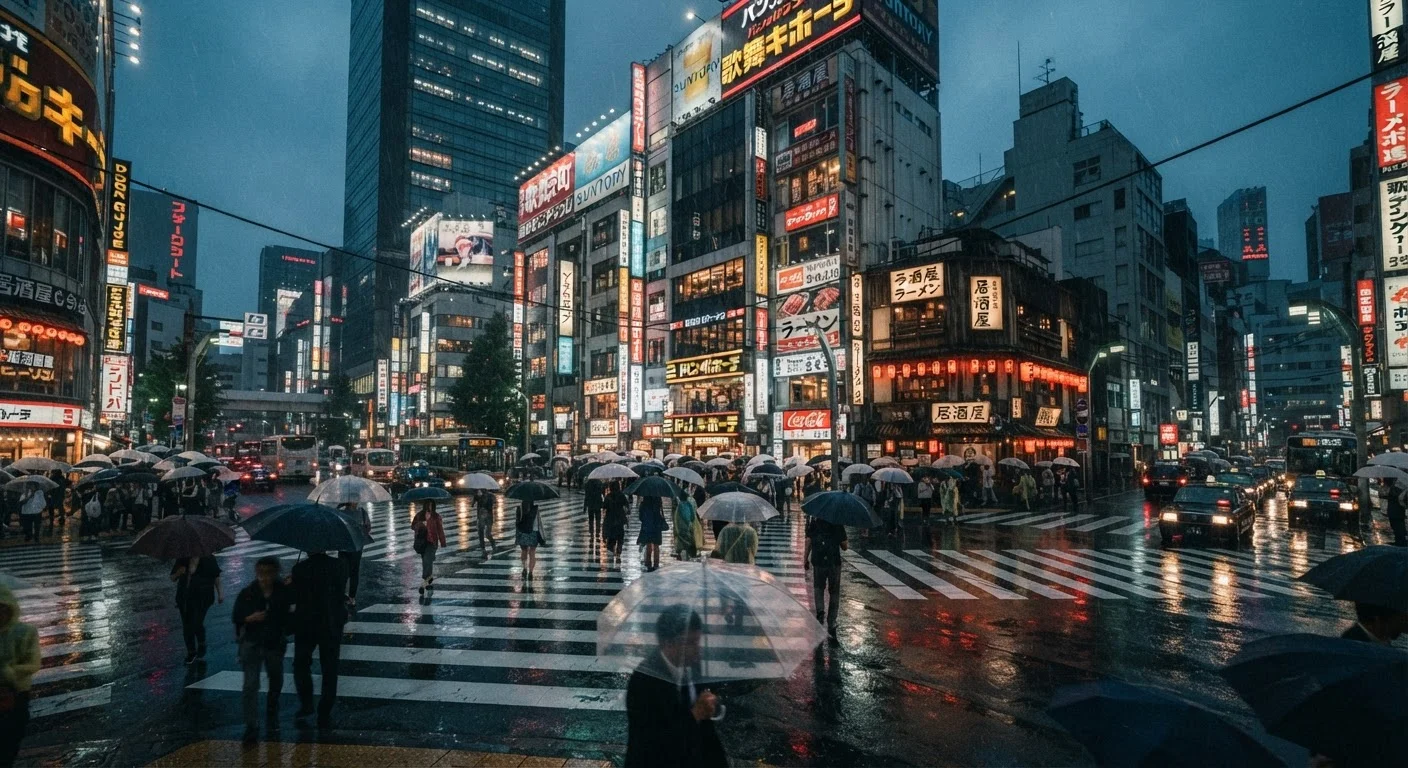
Japan's famous landmarks - Fushimi Inari, Arashiyama's bamboo grove, Shibuya Crossing - do draw significant crowds, particularly during cherry blossom and autumn foliage seasons. Visiting early in the morning or on weekdays mitigates this considerably. For a broader look at how iconic sites often land differently than expected, see our piece on landmarks that regularly surprise visitors.
~3.2M
Annual US visitors to Japan (pre-pandemic baseline)
Japan Tourism Agency figures show the US has consistently been among the top source markets for international visitors to Japan.
~320 km/h
Top operating speed of the Tokaido Shinkansen
The bullet train connecting Tokyo, Nagoya, Kyoto, and Osaka is one of the world's most punctual rail services, with average delays measured in seconds.