What Actually Changes When You Travel in Shoulder Season
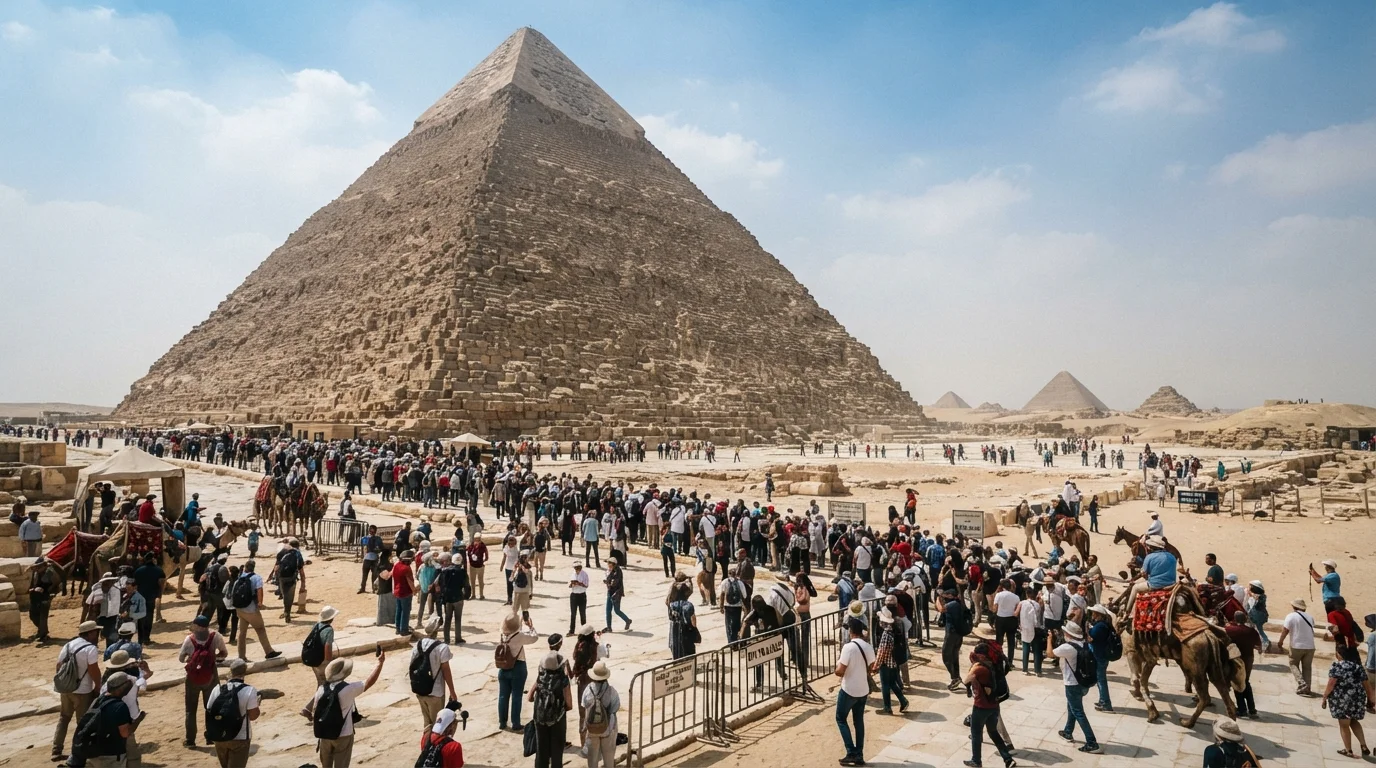
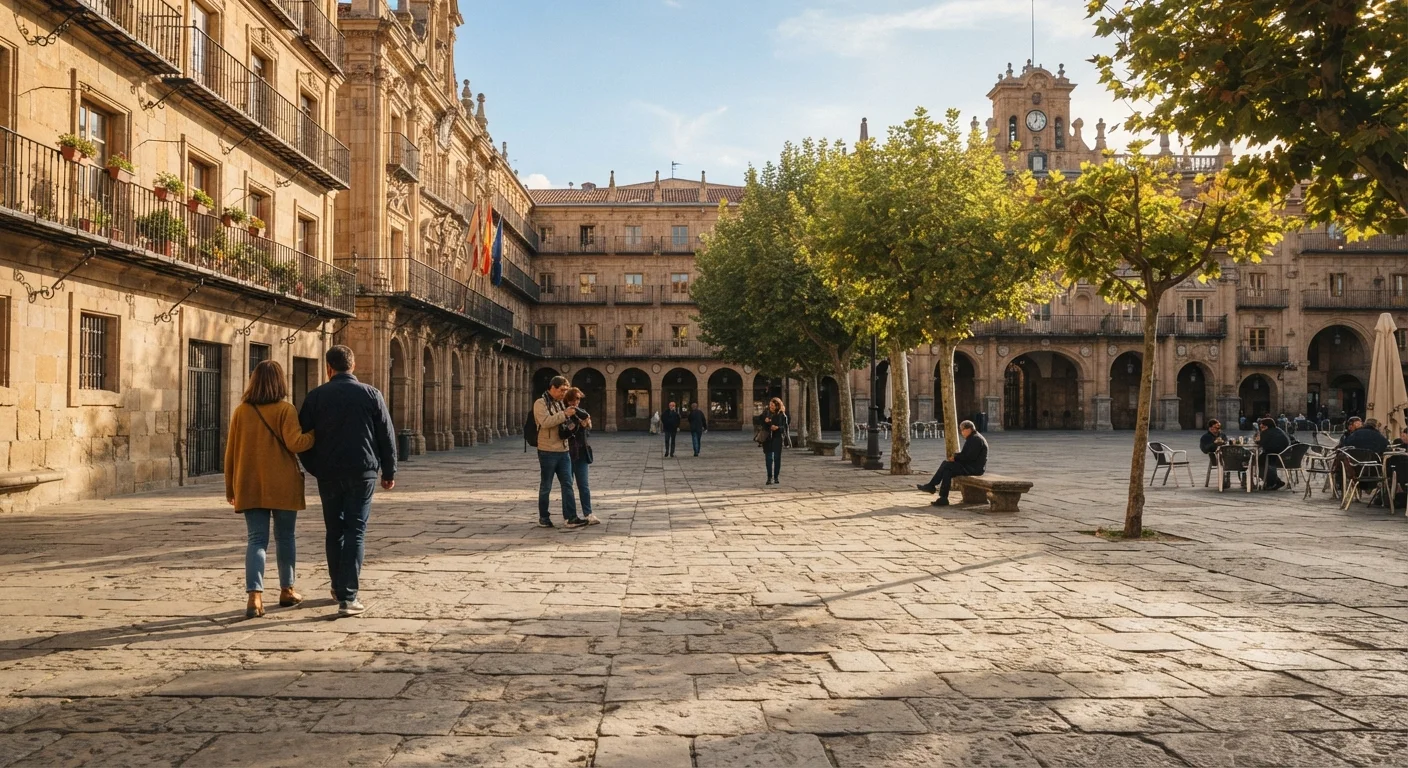
The most immediate difference most travelers notice is crowd density. Iconic sites that feel suffocating in July - think Rome's Colosseum, Yellowstone's Old Faithful boardwalk, or Bangkok's Grand Palace - become far more manageable in October or April. Lines shorten, photo opportunities open up, and the experience of being at a famous place feels less transactional. This matters more than many people expect. As visitors often discover, the gap between a landmark's reputation and its reality is frequently shaped by crowd conditions more than anything else.
Pricing tends to follow demand. Hotels, vacation rentals, and sometimes airfare all soften when tourist volumes drop - but the degree varies. A well-known city that draws business travelers year-round may see little change, while a coastal resort town heavily dependent on summer visitors might drop rates by 30-40%. The savings are real but not guaranteed, and they should be researched destination by destination rather than assumed.
30-50%
Typical hotel rate drop vs. peak season
Industry travel analyses consistently show accommodation rates at leisure-focused destinations falling by this range during shoulder months, though results vary significantly by market.
~20%
Average visitor volume reduction at major European sites
European tourism data from destinations such as France and Italy has shown visitor counts at marquee attractions declining roughly 20% or more in September-October compared to July-August peaks.
2-4 weeks
Typical length of true shoulder window
At most leisure destinations, the practical window where crowds thin but conditions remain favorable is narrower than travelers often assume - often just two to four weeks on either side of peak season.
The Weather Trade-Off: Honest Expectations
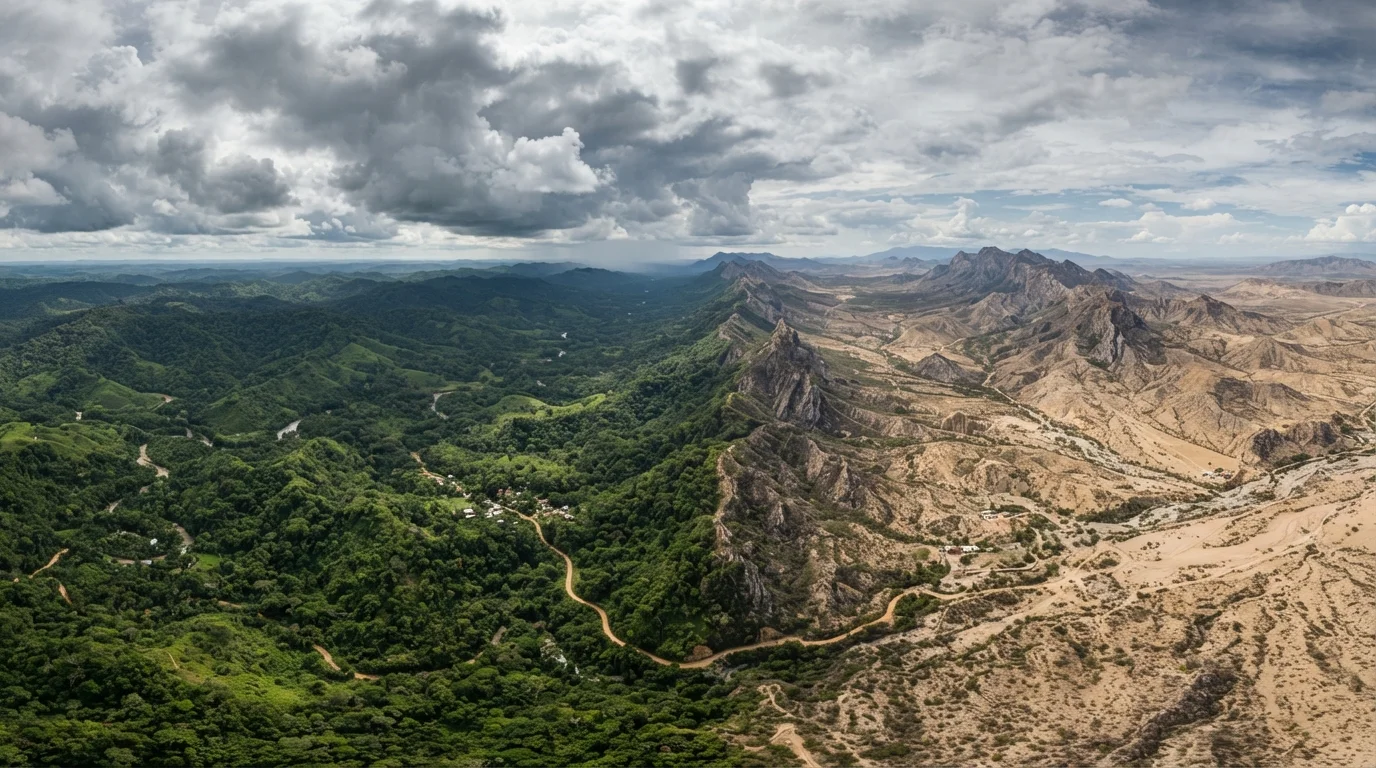
Shoulder season weather is one of the most misunderstood aspects of travel planning. The upside is real: Mediterranean falls are often warm and dry, Southeast Asian springs can be sunny before monsoon rains arrive, and New England autumn delivers spectacular foliage under blue skies. But the window of favorable conditions is narrower and less predictable than peak season.
A week of rain in May in Portugal is not unusual. An early hurricane brushing the Caribbean in October is possible. The key is treating shoulder season weather as probabilistic rather than reliable. Reading actual climate data - not just glossy destination guides - gives a far clearer picture of what to expect. Understanding how to interpret climate patterns before you arrive is one of the most useful skills a traveler can develop.
Check Local Event Calendars Before You Book
A film festival, national holiday, or major sporting event can transform a shoulder-season destination back into a peak-season experience almost overnight. Always cross-reference your travel dates against the destination's local event calendar - not just its general tourist season - before finalizing reservations.
What Might Be Reduced or Unavailable
Shoulder season sometimes means a quieter destination in ways that go beyond fewer tourists. Seasonal businesses - small restaurants, boat tour operators, ski lift infrastructure, beach clubs - may reduce hours or close entirely. This is particularly common at highly seasonal destinations like Greek islands, Alpine ski towns, or Caribbean resort areas, where the entire local economy compresses itself around a narrow peak window.
Before committing to a shoulder-season trip, it is worth checking whether the specific experiences you want are actually operating. A cooking class you found online, a popular day-trip ferry, or a rooftop bar with views may simply not run in October the way they do in August. Building this verification into your planning process is part of constructing a realistic itinerary. A well-structured itinerary accounts for these gaps rather than assuming everything operates year-round.
How to Find the Right Shoulder Window for Your Destination
Every destination has its own calendar, and the shoulder season that works beautifully for one place may not apply to another. Japan's cherry blossom season creates a secondary peak in late March and early April - technically not summer, but far from uncrowded. Alaska's dramatic seasonal split, explored in detail in a comparison of its summer and winter experiences, shows how thoroughly a destination's entire character can shift between seasons.
The most reliable research method combines three inputs: historical tourism statistics (often published by national tourism boards), monthly weather averages from meteorological sources, and traveler reports from the specific months you are considering. Identifying where a destination's peak demand actually falls - not where you assume it falls - lets you make a genuine trade-off decision rather than a guess.