The Physics Behind Signal Loss
Every cellular signal is a radio wave, and radio waves follow predictable physical laws. As a signal travels from a tower, it weakens over distance - a phenomenon called free-space path loss. This is why proximity to a tower matters, but it's far from the only factor.
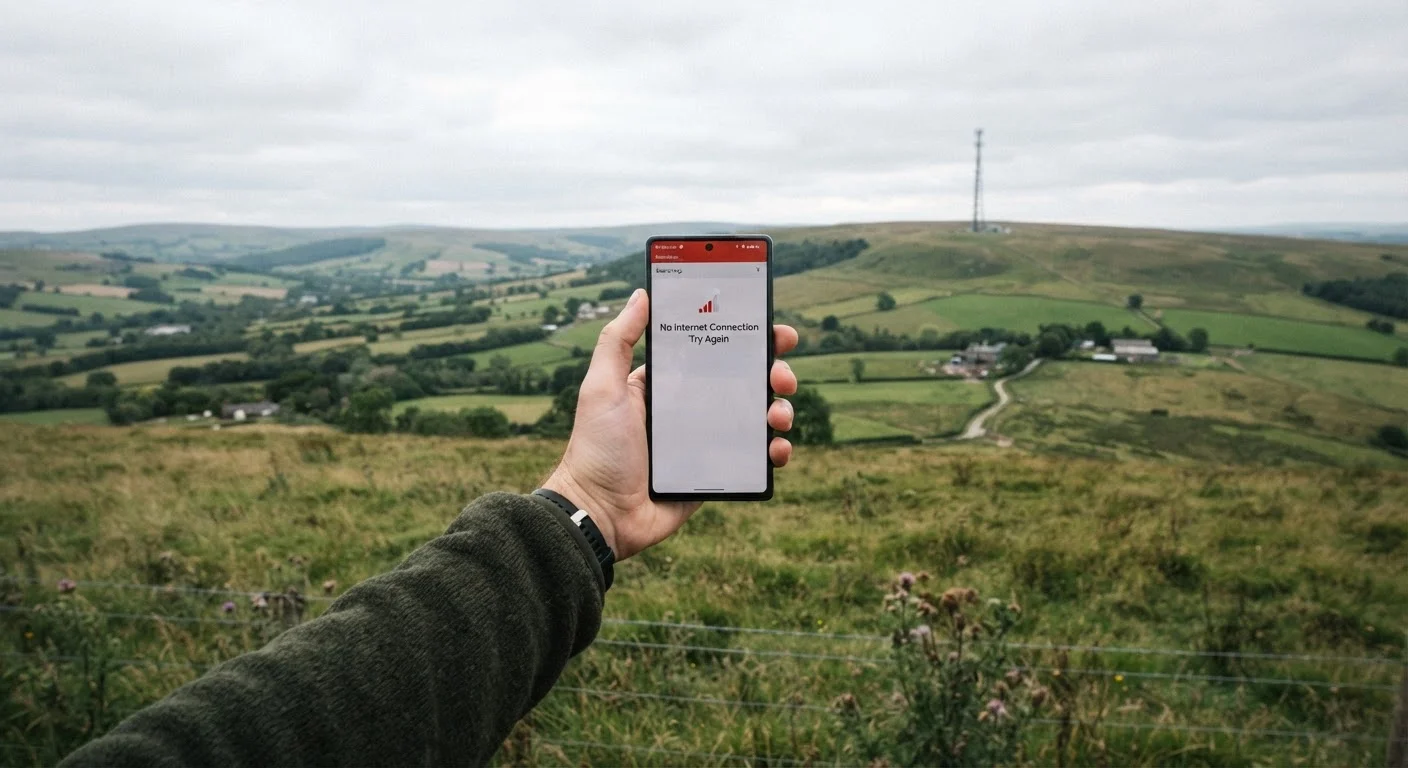
Terrain plays a major role. Hills, ridges, and dense tree cover can block or scatter signals before they reach your phone. Valleys are particularly challenging because signals travel in relatively straight lines and don't bend easily around solid earth. Urban environments create a different problem: tall buildings reflect and scatter signals, causing multipath interference where overlapping signal copies cancel each other out at certain points.
Inside buildings, the issue shifts to material absorption. Concrete, brick, steel framing, and modern Low-E glass windows all reduce signal strength significantly. The more layers of these materials between you and the outside, the weaker the signal your phone can detect.
Bars Don't Tell the Full Story
The signal bars on your phone are a simplified, carrier-defined display - not a precise measurement. Two phones on different carriers showing two bars may be experiencing very different actual signal strengths. If you want a clearer picture, most smartphones have a field test mode that displays the actual dBm value, giving you a more accurate read on signal quality.
How Carrier Network Design Creates Dead Zones
Carriers don't build towers everywhere - they build them where the return on investment justifies the cost. Tower placement, backhaul infrastructure (the wired connection linking a tower to the broader network), and spectrum licensing all factor into where coverage actually exists.
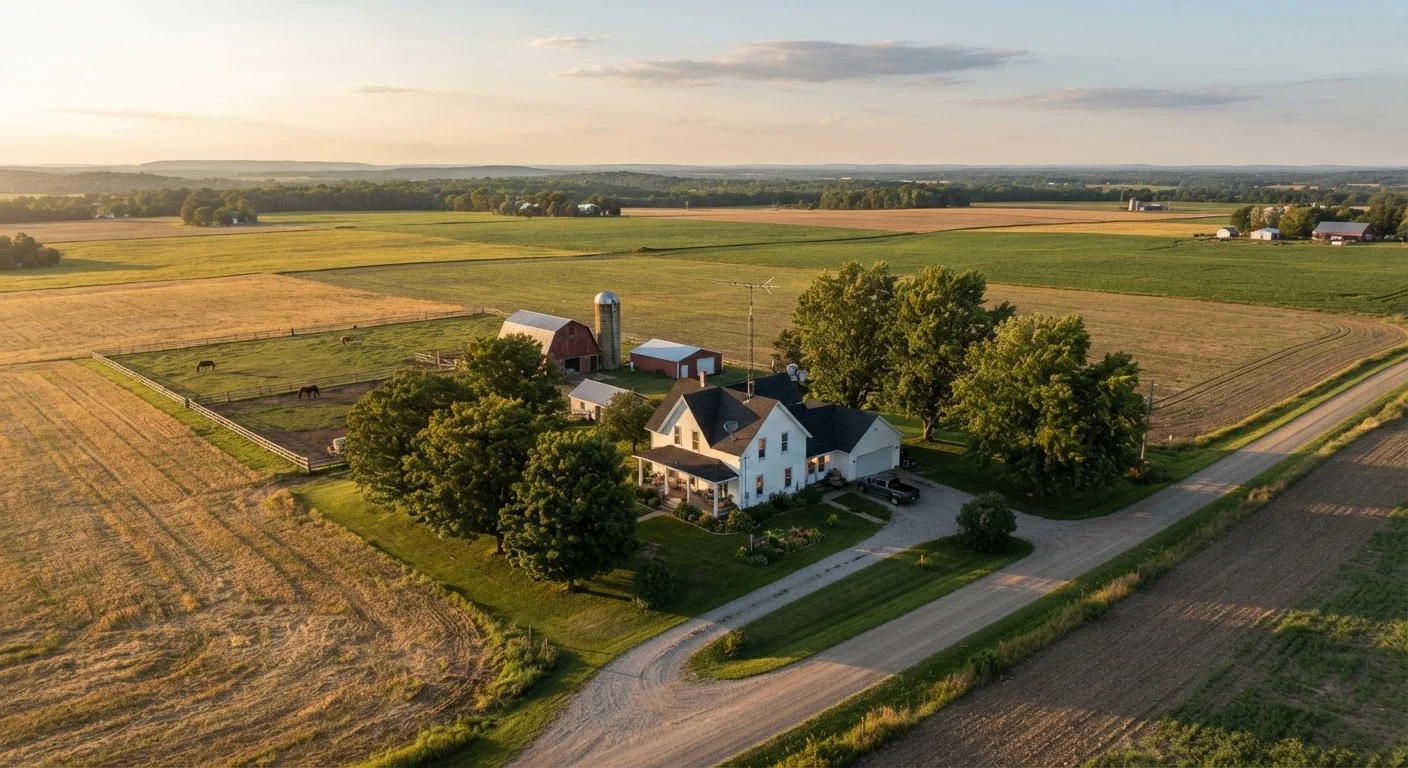
Rural areas are the clearest example of design-driven gaps. With fewer potential subscribers per square mile, carriers have historically underbuilt coverage in less populated regions. The result is that geographic dead zones often align closely with low-density areas, regardless of how many bars your phone shows in a nearby town.
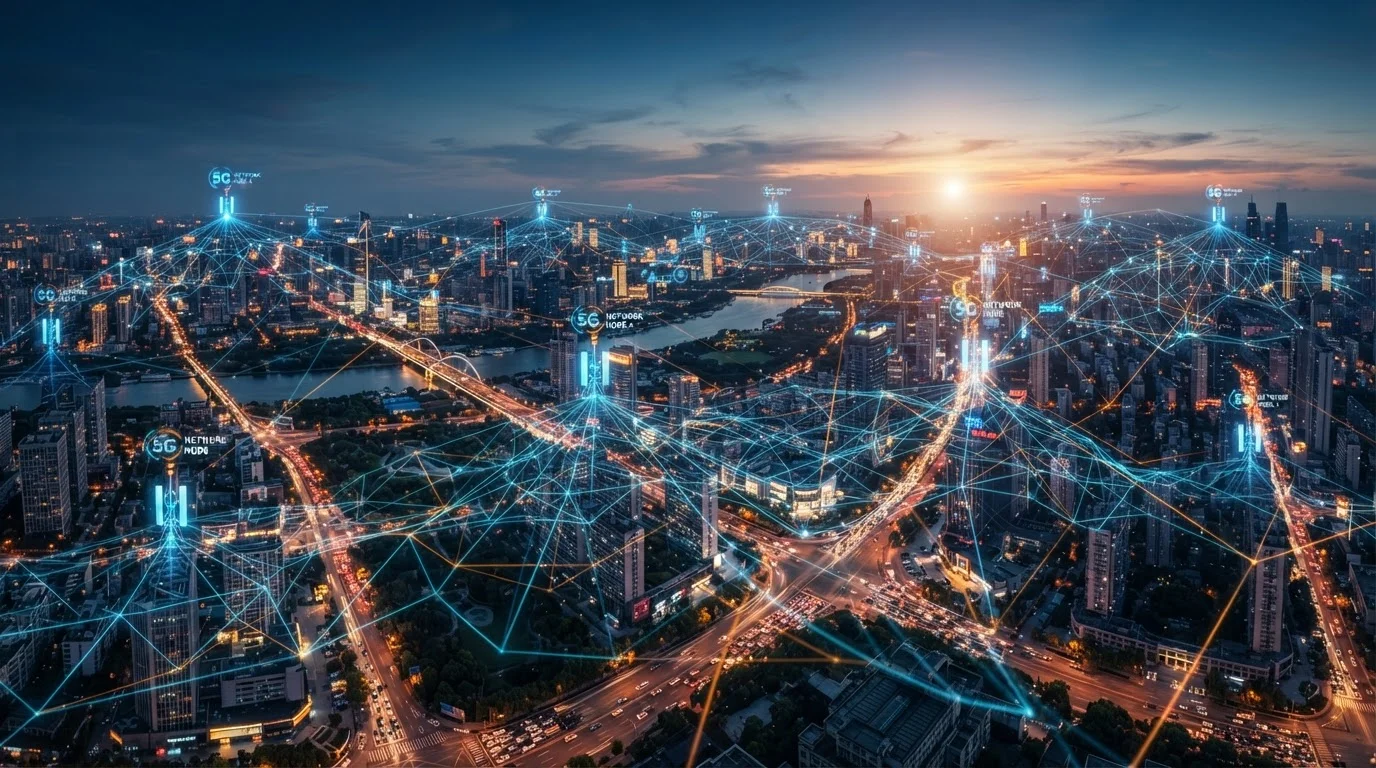
Frequency band selection matters too. Low-band spectrum (below 1 GHz) travels long distances and penetrates buildings well, making it valuable for broad coverage. Mid-band and high-band spectrum (including the millimeter-wave used in some 5G deployments) delivers much faster speeds but has limited range and poor building penetration. A carrier's coverage map may technically show your area as served, while the actual experience indoors on high-band frequencies is near unusable. For a closer look at how this plays out with 5G specifically, see 5G coverage realities.
~84%
U.S. geographic area with limited or no 4G LTE coverage
According to FCC broadband and coverage data, while population coverage is high, vast geographic areas - particularly rural land - remain underserved by cellular networks.
3x
Greater indoor penetration of low-band vs. high-band spectrum
Industry analyses of spectrum propagation consistently show sub-1GHz signals penetrate building materials far more effectively than signals above 2.5GHz.
-85 dBm
Approximate signal threshold for reliable calls
Most devices begin experiencing dropped calls and data failures as signal falls below roughly -85 to -90 dBm, though exact thresholds vary by device and carrier.
Your Device's Role in the Equation
The network is only half the story. Your phone's hardware determines how effectively it can capture and process weak signals. Older devices often support fewer frequency bands, meaning they can't connect to spectrum segments a carrier has added to its network since the phone was manufactured.
Modem quality also varies considerably. Premium flagship phones tend to include more capable modems that maintain connectivity in marginal signal conditions better than budget devices. Phone case materials - particularly thick rubber or metal cases - can slightly reduce antenna performance, though this effect is minor compared to environmental factors.
Battery-saving modes on some phones deliberately reduce antenna activity to conserve power, which can worsen signal in low-coverage areas. Disabling aggressive battery optimization for calls and data can sometimes help in areas where signal is marginal.
Practical Options When Signal Is Consistently Poor
Understanding the cause helps narrow down solutions. For indoor signal problems, Wi-Fi calling is often the most immediate fix - it routes calls and texts over your home broadband connection and is supported by most major carriers on modern smartphones. Check your phone's settings under the phone or connections menu to enable it.
For persistent dead zones at home, FCC-certified cellular signal boosters can amplify an existing weak outdoor signal indoors. These require a clear signal outside - even a faint one - to function. They cannot manufacture signal from nothing, but in areas with marginal outdoor coverage, they can make the difference between one bar and four.
If coverage gaps are tied to your location being underserved broadly, it may be worth comparing carriers using independent coverage data specific to your region rather than relying solely on each carrier's self-reported maps. In areas where cellular coverage remains inadequate regardless of carrier, fixed wireless or satellite internet can provide a broadband fallback - particularly relevant for those in rural or underserved regions. Our explainer on fixed wireless vs. satellite internet covers how those options compare. If your data experience feels inconsistent even where signal seems fine, network throttling and deprioritization may also be a factor worth understanding.
Test Signal Before You Commit to a Carrier
Many carriers offer short-term trial periods or SIM-only plans that let you test coverage at your home and workplace before committing to a contract. Independent tools like the FCC's coverage mapping portal and crowd-sourced signal databases can also give you a more ground-level picture than a carrier's own coverage map.