What 'Unlocked' Actually Means
An unlocked phone is a device not tied to any specific carrier's network through software restrictions. Unlike carrier-locked phones - which are programmed to work exclusively on one network until certain conditions are met (typically completing an installment plan or paying an unlock fee) - an unlocked phone accepts any compatible SIM card from any carrier.
Unlocked phones are sold directly by manufacturers, through major retailers, and increasingly through carrier websites as a separate purchase option. The key distinction is that the software restriction is absent from the start, or has been officially removed. This matters because it determines where and how you can use the device, and what carrier features you can access. Before diving into the pros and cons, it helps to understand that compatibility and unlocked status are two different things - a phone can be unlocked but still lack the radio bands needed for a specific carrier's 5G network.
The Advantages of Going Unlocked
Freedom to switch carriers without buying new hardware
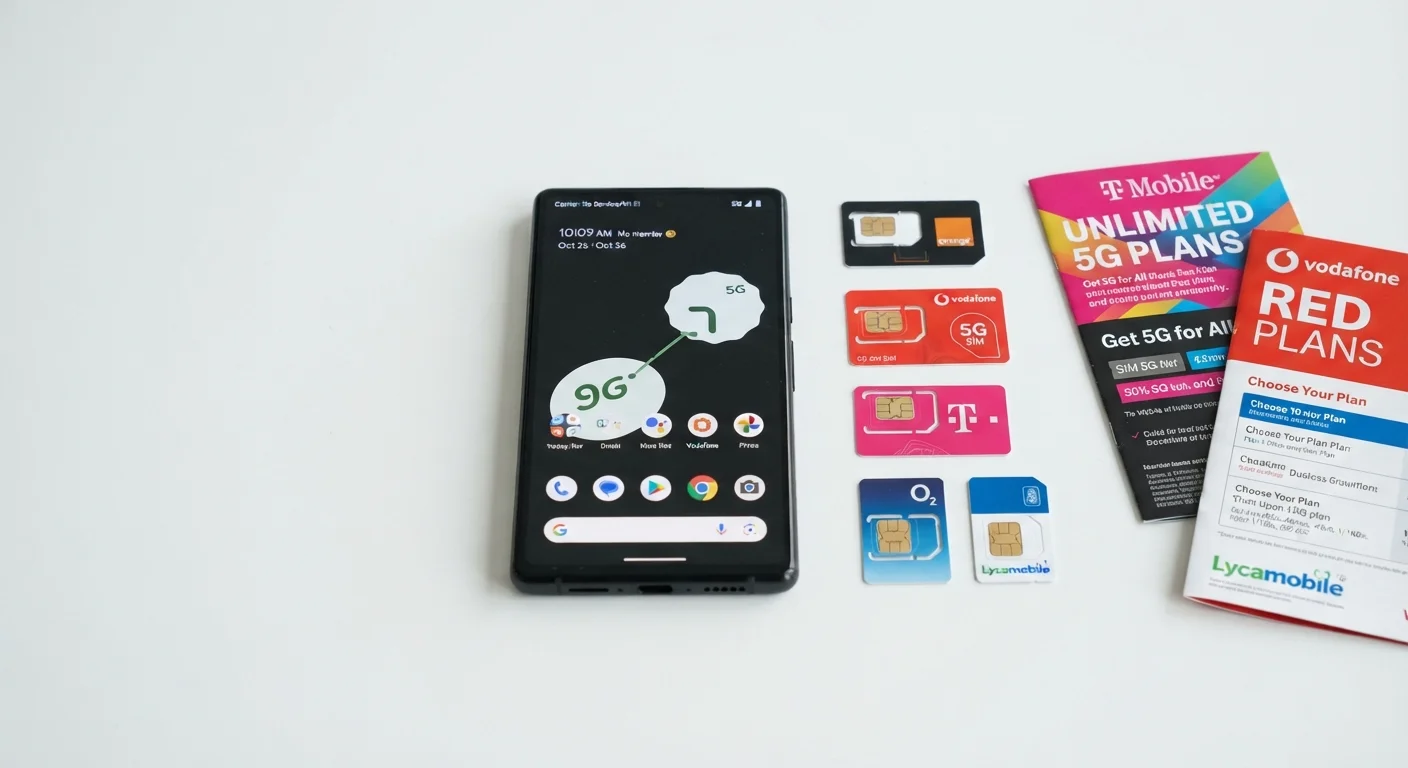
Unlocked phones accept any compatible SIM card, so you can move to a different carrier plan whenever it makes sense - monthly if needed - without being locked into a device tied to one network.
Cost-effective for international travelers
Inserting a local prepaid SIM abroad avoids expensive international roaming charges. This single benefit can offset a meaningful portion of the unlocked device's premium for frequent travelers.
Faster OS and security updates in many cases
Manufacturer updates often reach unlocked devices before carrier-branded models, since there is no additional carrier-approval layer to clear before the update is distributed.
Higher resale value on the secondary market
Unlocked devices appeal to buyers on any network, expanding the pool of potential purchasers and typically commanding a stronger resale price compared to carrier-locked equivalents.
No bloatware from carrier software packages
Factory-unlocked phones generally ship with a cleaner software experience, free of the carrier-installed apps that are often difficult or impossible to remove on locked devices.
The most practical benefit unlocked phones deliver is carrier flexibility. If your current carrier raises prices, reduces data speeds, or offers poor coverage in a new area you've moved to, you can swap to a competing plan without replacing your hardware. That independence gives consumers real negotiating leverage - carriers know they need to compete on price and service rather than hardware lock-in.
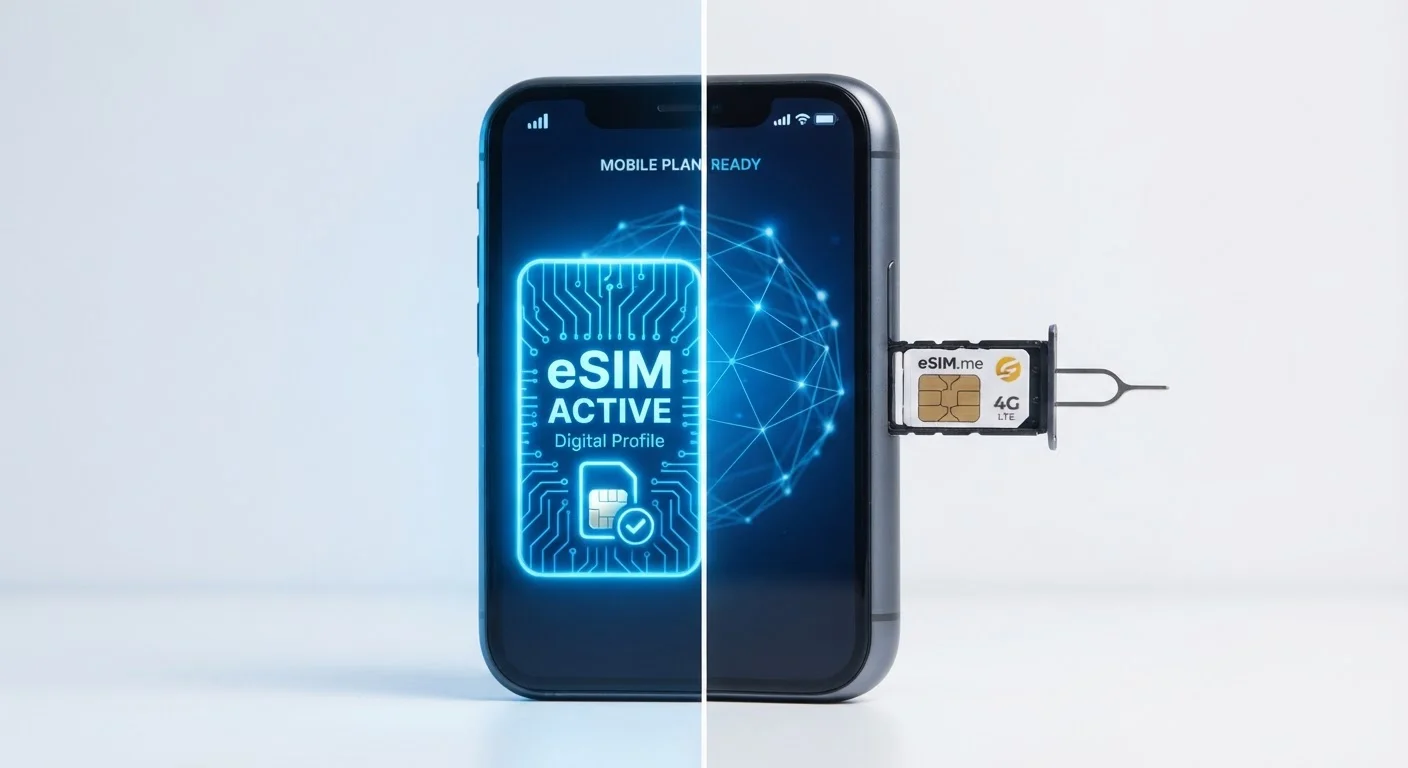
For international travel, unlocked phones are especially valuable. Inserting a local prepaid SIM in another country can dramatically reduce roaming costs compared to paying your domestic carrier's international day-pass rates. See how the two SIM standards factor into this in our guide to eSIM vs. physical SIM.
Unlocked devices also tend to receive software updates more quickly. Carrier-locked phones often go through an additional approval layer at the carrier level before OS updates are distributed, sometimes adding weeks to the process.
The Real Disadvantages to Consider
Higher upfront cost with no installment subsidies
Full retail price for unlocked flagships can exceed $1,000, with no carrier financing or promotional trade-in credit to reduce the immediate outlay - a significant difference from a $0-down installment plan.
Carrier features may not fully function
Wi-Fi calling, visual voicemail, and some hotspot features depend on carrier certification of the specific device model. Compatibility varies and should be verified before purchase, not assumed.
Ineligible for most carrier promotional deals
Free device offers, trade-in bonuses, and upgrade credits are typically tied to carrier-purchased locked devices. Buying unlocked generally means forgoing these promotions entirely.
Band compatibility is not guaranteed across all networks
An unlocked phone may lack radio frequency bands required for a specific carrier's 5G or LTE coverage, even if it accepts the SIM card - resulting in slower speeds or limited coverage.
Warranty and support can be more complex
Carrier stores typically offer in-person support for devices purchased through them. With an unlocked phone, warranty claims and troubleshooting usually route through the manufacturer directly, which may involve more steps.
The most significant barrier is cost. Buying an unlocked flagship phone at full retail price means paying several hundred to over a thousand dollars upfront, compared to spreading that cost over 24-36 months through a carrier installment plan - sometimes with promotional trade-in credits that reduce the net price further. If cash flow is a concern, this upfront requirement can be a real obstacle.
Carrier-specific features present another genuine limitation. Functions like Wi-Fi calling, visual voicemail, and carrier-branded hotspot management depend on the carrier certifying and provisioning the specific device model. Some unlocked phones work seamlessly; others have partial or no support for these features on certain networks. It's worth verifying compatibility directly with your intended carrier before purchasing.
Finally, promotional deals - including trade-in bonuses, free device offers, and upgrade credits - are almost always tied to carrier-locked devices purchased through that carrier. Buying unlocked means opting out of most of these programs. For perspective on how upgrade decisions can go wrong in less obvious ways, see common upgrade assumptions that cost money.
Check Band Compatibility Before You Buy
Not every unlocked phone supports every carrier's full range of network frequencies. Before purchasing an unlocked device, verify that it includes the specific LTE and 5G bands used by your intended carrier in your region. Carriers and manufacturers publish band compatibility lists, and some retailers provide compatibility checkers by IMEI or model number. This step is especially important for smaller regional carriers and MVNOs (mobile virtual network operators).
Resale Value and Long-Term Ownership
One area where unlocked phones consistently outperform their locked counterparts is resale value. A carrier-unlocked or factory-unlocked device appeals to a broader pool of buyers, since any prospective owner can use it on their preferred network. Carrier-locked devices require the seller to either complete the unlock process or limit the buyer to the same carrier.
~30%
Share of U.S. smartphone sales that are unlocked
Industry analyst estimates suggest roughly 30% of U.S. smartphone unit sales occur outside carrier channels, a share that has grown steadily as manufacturer direct-to-consumer sales expand.
$100-$300
Typical resale premium for unlocked vs. locked models
Secondary market platforms consistently show unlocked versions of the same device model commanding higher asking prices than their carrier-locked counterparts, depending on storage and condition.
This is worth weighing when calculating the true cost of ownership. A higher sticker price may partially offset over time if the resale return is meaningfully better. That same principle applies across other major purchase categories - as explored in our look at trade-in vs. private sale trade-offs in the auto context.