
What Is an MVNO?
A mobile virtual network operator, or MVNO, is a wireless carrier that sells phone plans under its own brand without owning the underlying cell towers or radio spectrum. Instead, it negotiates wholesale access to an existing major carrier's infrastructure and resells that capacity directly to consumers.
The term "virtual" refers specifically to this infrastructure arrangement - the MVNO is real in every commercial sense, but it does not build, maintain, or license the physical network it runs on. From a consumer's perspective, you get a SIM card, a phone number, and wireless service. What changes is who manages the back end and, often, what you pay.
MVNO
A mobile virtual network operator is a wireless company that sells phone service but does not own the cell towers or radio spectrum it uses - it leases that capacity from a larger carrier.
MNO (Mobile Network Operator)
A traditional carrier that owns and operates its own cell towers, spectrum licenses, and physical network infrastructure.
Deprioritization
When a network is congested, some users get slower speeds temporarily. MVNOs are typically deprioritized behind the host carrier's direct customers.
Network Spectrum
Radio frequencies licensed by the government that carriers use to transmit wireless data and voice signals. MVNOs do not hold their own spectrum licenses.
Throttling
A deliberate reduction in data speeds, usually applied after a user exceeds a set data threshold on their plan.
MVNE
A mobile virtual network enabler is a technical intermediary that provides back-end platform services - like billing and provisioning - to MVNOs, allowing them to operate without building all systems from scratch.
MVNOs have operated in the U.S. market for decades. The model exists because major carriers - known as mobile network operators (MNOs) - have more capacity than they can always sell directly, and wholesale agreements generate additional revenue from that surplus.
How MVNOs Access Network Infrastructure
An MVNO signs a wholesale agreement with one or more MNOs, purchasing access to voice, text, and data capacity at a negotiated rate. The MVNO then sets its own pricing, designs its own plans, handles its own customer service, and manages billing - essentially operating as a full carrier brand on someone else's pipes.
Some MVNOs go further and partner with an MVNE (mobile virtual network enabler), a technical intermediary that handles platform services like provisioning, billing infrastructure, and SIM management. This allows newer or smaller MVNOs to launch without building every operational system themselves.
The network coverage an MVNO's customers experience is directly tied to whichever MNO's infrastructure they use. An MVNO running on a given major carrier's network covers the same towers and geographic footprint as that carrier's direct subscribers - with one important caveat discussed in the next section.
Check Which Network Powers the MVNO
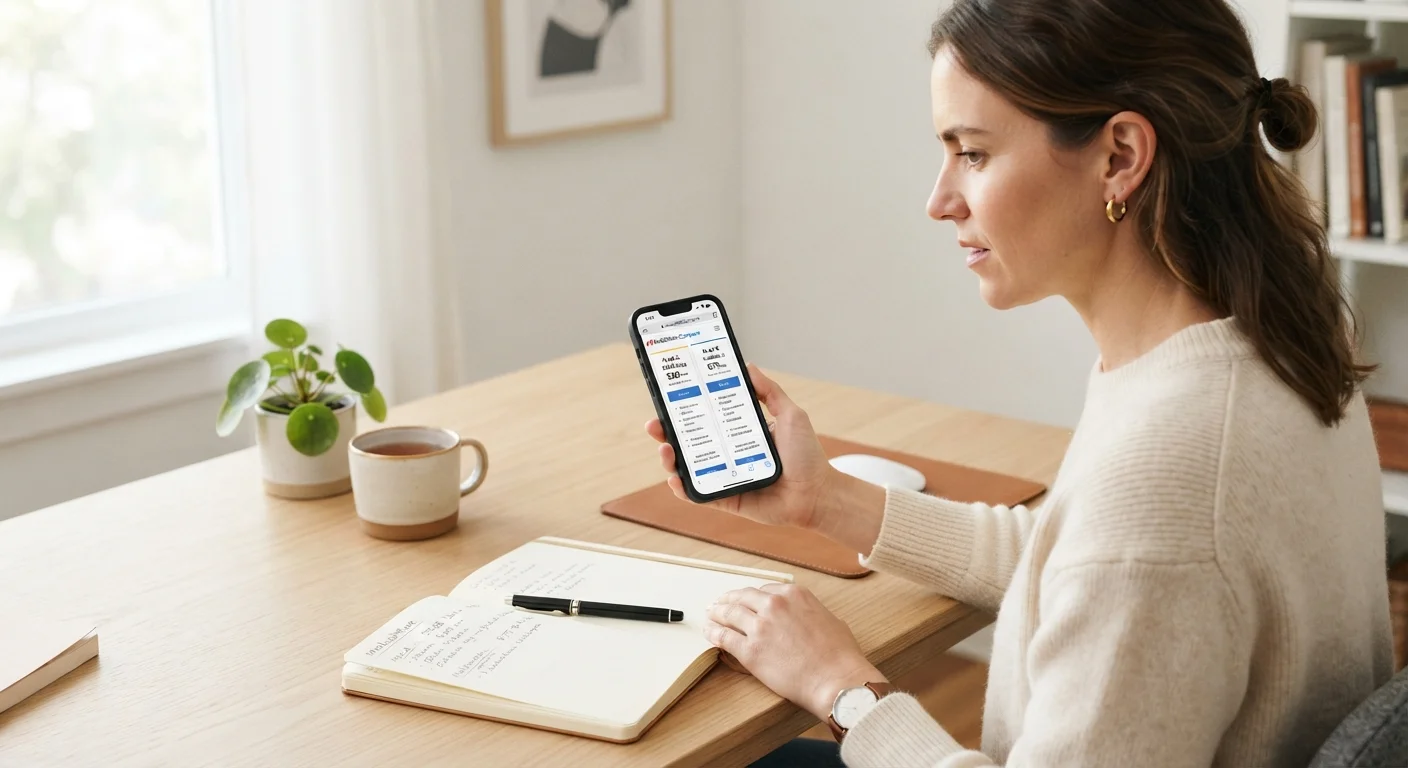
Before signing up, confirm which major carrier's network an MVNO uses and compare that network's coverage map in your area. Coverage quality at your home, workplace, and regular travel routes matters far more than the MVNO's brand. Most MVNO websites list their network partner prominently.
What MVNOs Typically Offer
MVNOs compete primarily on price and simplicity. Because they carry lower overhead - no towers to build, no spectrum auctions to fund - many pass cost savings on to customers through lower monthly rates. Prepaid, no-contract plans are the norm, giving subscribers flexibility to change providers without early termination fees.
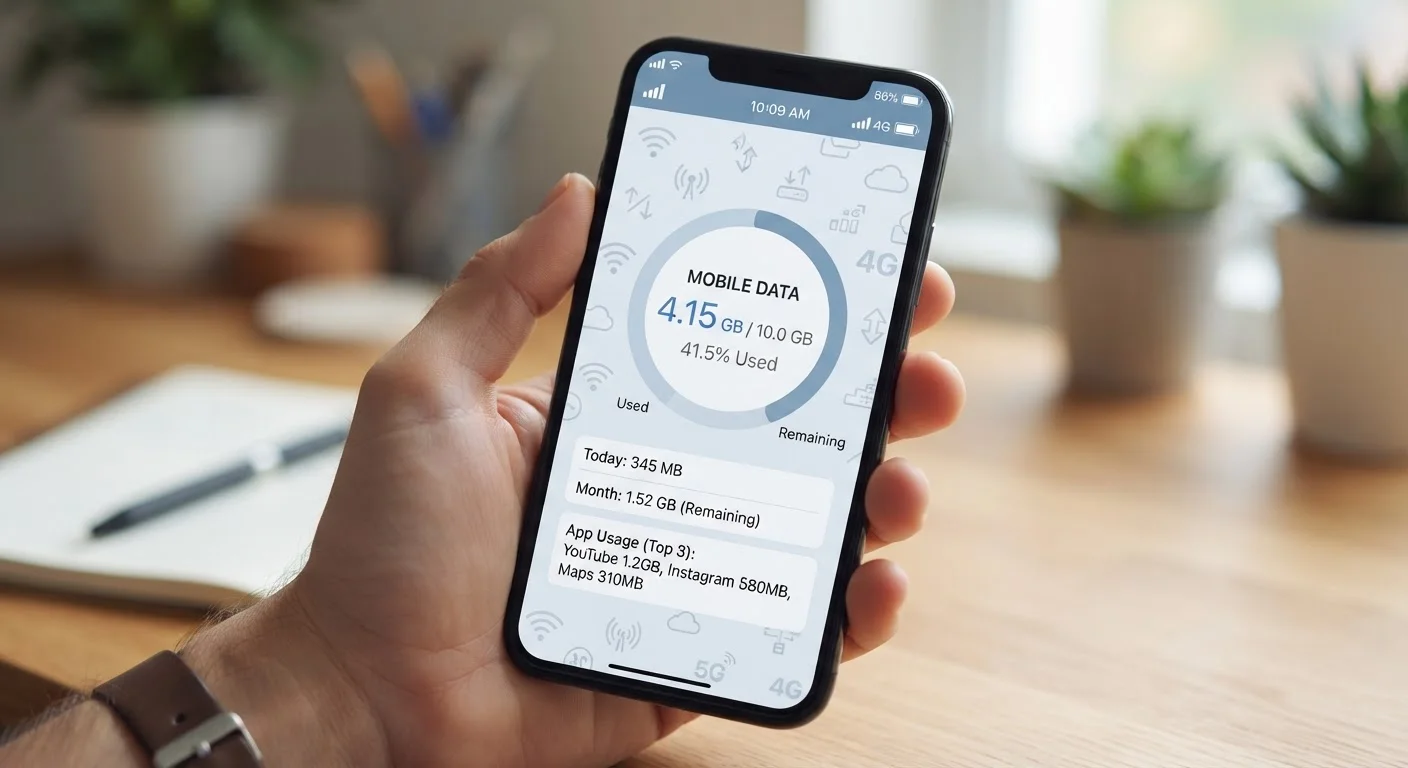
Plan structures vary widely. Some MVNOs focus on basic talk and text with limited data. Others offer unlimited data plans with varying thresholds before speeds slow down. Understanding how data thresholds and throttling work is worth reviewing in depth - our explainer on mobile data plan terms like GB, throttling, and deprioritization covers this in plain language.
Many MVNOs also support bring-your-own-device (BYOD) arrangements, meaning you can use a compatible unlocked phone you already own rather than purchasing a new one. If you're evaluating your options for acquiring a phone, our overview of phone leasing, installment plans, and outright purchase explains the tradeoffs of each approach.
Where MVNOs Fall Short
The MVNO model comes with real limitations consumers should understand before switching.
Deprioritization Can Affect Real-World Speeds
During busy hours in densely populated areas, MVNO subscribers may experience noticeably slower data speeds than subscribers on the host carrier's direct plans. This is not a malfunction - it is a contractual condition of how MVNOs access the network. If reliable speeds during peak times are critical for your work or daily use, weigh this carefully before switching.
Customer support is another common gap. Many MVNOs operate primarily online or through automated systems, with limited access to in-person retail locations. If you value walk-in support or prefer speaking with a representative by phone, research an MVNO's support options before committing.
Device financing and trade-in programs are less common among MVNOs. While major carriers often offer installment plans or promotional trade-in credits, most MVNOs expect customers to bring their own devices or pay full price upfront.
International roaming options are limited or absent on many MVNO plans, making them less suitable for frequent international travelers without supplemental arrangements.
Before making any switch, it's worth going through a practical checklist - our guide on what to check before switching carriers covers coverage, fees, device compatibility, and more.
Is an MVNO Right for You?
An MVNO is worth considering if your primary goal is reducing your monthly bill and you're comfortable managing your account digitally. Consumers who use moderate amounts of data, stay within domestic coverage areas, and already own a compatible unlocked phone are well-positioned to benefit from the MVNO model.
On the other hand, if you rely on peak-hour data speeds, need robust international roaming, or prefer in-person support, a direct major carrier plan may serve you better - even at a higher price.
It's also worth looking beyond the headline rate. Taxes, fees, and add-ons affect the real cost of any wireless plan. Our breakdown of everything that goes into a mobile plan beyond the advertised price shows what typically appears on a carrier bill. For ongoing strategies to keep costs aligned with your actual usage, see our piece on keeping mobile costs under control.
Number Portability Is Your Right
Federal law in the United States requires carriers to allow customers to transfer their existing phone number when switching providers. This process, called porting, typically completes within a few hours to one business day. Keep your current account active until the transfer is confirmed to avoid losing your number.
The right carrier - MVNO or otherwise - is the one whose network, plan structure, and support model match how you actually use your phone. Knowing how MVNOs work puts you in a much stronger position to make that comparison with confidence.