How Phone Leasing Works
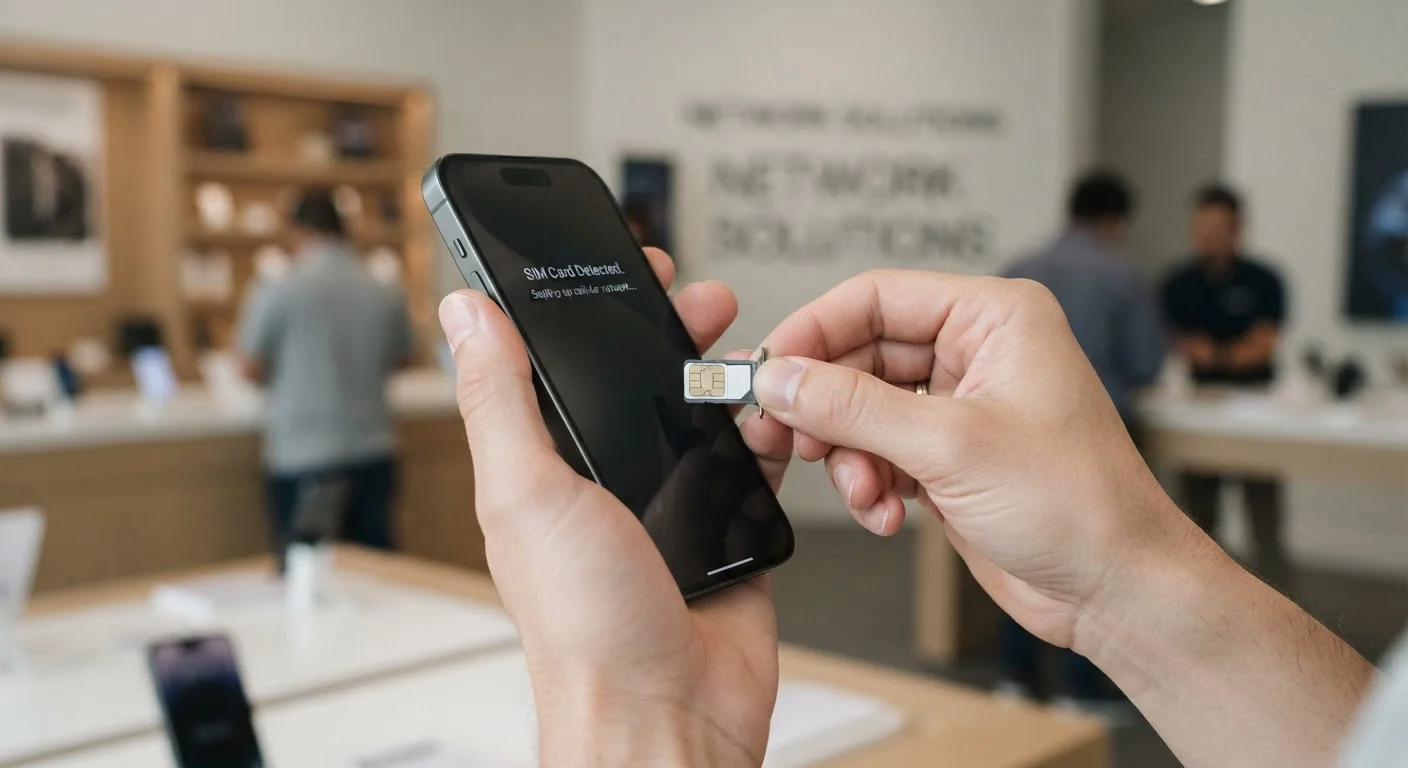
A phone lease is similar in structure to leasing a vehicle - you pay monthly to use the device, but ownership stays with the carrier or financing partner throughout the agreement. At the end of the lease term (typically 24 to 30 months), you generally have three options: return the phone, pay a lump sum to buy it outright, or trade it in and start a new lease on a different model.
Monthly lease payments are often lower than installment plan payments because you're not building toward ownership. However, the trade-off is that you accumulate no equity in the device. Carriers may also impose condition requirements at return - damage beyond normal wear can result in fees. This mirrors dynamics that car lease agreements also involve, where the lessee never holds title to the asset.
Leases typically require you to remain on the carrier's service plan. Switching providers mid-lease usually means either paying off the remaining lease balance or returning the device early.
Lease Damage Fees Can Add Up Quickly
Most lease agreements specify acceptable wear-and-tear standards that are stricter than everyday consumer expectations. Cracked screens, dented frames, or missing components can trigger fees at return that offset the monthly savings a lease appeared to offer. Review the carrier's device return condition policy before signing, and consider whether a protective case and screen protector are worthwhile investments.
How Installment Plans Work
An installment plan - sometimes called a device payment plan - divides the phone's full retail price into equal monthly payments spread over 24 or 36 months. Unlike a lease, you own the phone once the final payment clears. Most major carrier installment plans carry no interest, meaning you pay exactly what the phone retails for, just over time rather than upfront.
Because the device payment is tied to your carrier account, leaving before the term ends typically means paying the remaining installment balance in full before your number can be cleanly ported. Porting your number to a new carrier is straightforward procedurally, but outstanding device balances can complicate the timing.
Some carriers offer early upgrade programs layered onto installment plans. These programs let you trade in your current device after a set period - often 12 to 18 months - and begin a new installment agreement. In practice, this functions similarly to a rolling lease, so it's worth reading the terms carefully before assuming you'll reach full ownership.
Read Early Upgrade Program Terms Carefully
Some carrier upgrade programs marketed alongside installment plans require you to trade in your device before ownership fully transfers, effectively extending the cycle indefinitely. Before enrolling, confirm whether you'll actually own the device at the end of the stated term or whether the program assumes a trade-in. Ask the carrier representative to explain the payoff schedule in writing.
How Outright Purchase Works
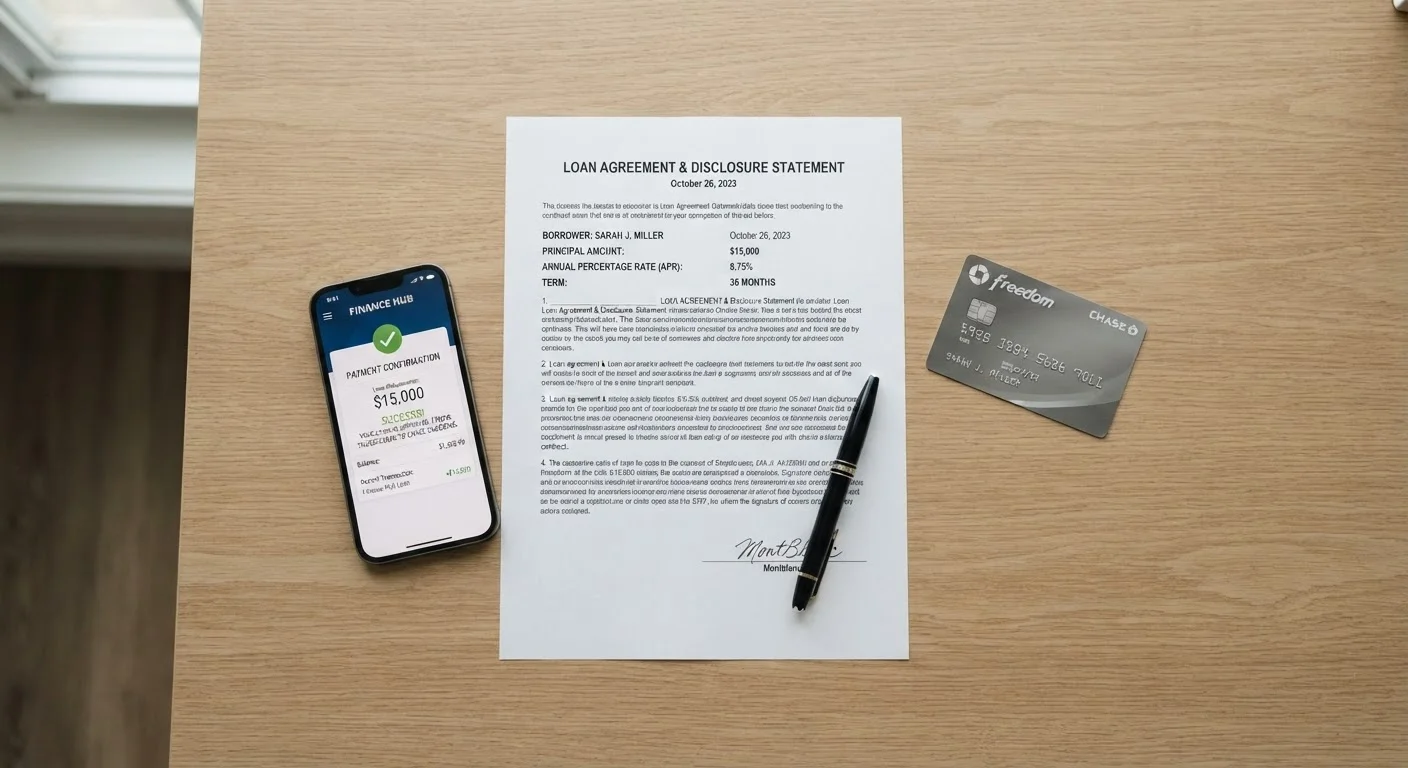
Buying a phone outright means paying the full retail price at the point of sale - either in cash or via a third-party financing option like a credit card or personal loan that's entirely separate from the carrier. The moment the transaction completes, you own the device with no strings attached to any service contract.
An unlocked phone purchased outright can generally be used on any compatible carrier network, including mobile virtual network operators (MVNOs) that run on major network infrastructure. This gives consumers meaningful leverage: if a better prepaid or postpaid plan comes along, switching is a plan decision, not a device-financing decision.
The primary barrier is the upfront cost. Flagship smartphones commonly retail between $800 and $1,200 or more, which is a significant single outlay. Over a three-year ownership cycle, however, the total cost is often lower than an equivalent lease arrangement on the same device.
Side-by-Side Comparison
The table below summarizes the core differences across all three arrangements to help clarify how each performs on the criteria that matter most to everyday consumers.
| Leasing | Installment Plan | Outright Purchase | |
|---|---|---|---|
| Ownership at end of term | No - return or buy out | Yes - after final payment | Yes - immediately |
| Monthly payment size | Typically lower | Mid-range | None (or third-party loan) |
| Upfront cost | Low or zero | Low or zero | Full retail price |
| Flexibility to switch carriers | Limited - balance or return required | Limited - balance must be paid | Full flexibility |
| Upgrade path | Built-in at term end | Trade-in programs vary | Sell device independently |
| Total long-term cost | Often highest over time | Equal to retail price | Lowest if kept long-term |
| Device condition requirements | Yes - at return | No formal requirement | No obligation |
For a fuller picture of what a carrier agreement actually commits you to beyond device payments - including service terms and early exit clauses - see this guide to mobile phone contracts in the United States. It's also worth reviewing what goes into a mobile plan beyond the advertised price, since taxes and fees affect the real monthly cost regardless of which device arrangement you choose.