Why Move-In Documentation Is Non-Negotiable
Security deposit disputes are among the most common conflicts between renters and landlords. Without documented proof of an apartment's condition when you arrived, distinguishing pre-existing damage from wear you caused becomes a matter of your word against your landlord's - and that rarely favors the tenant.
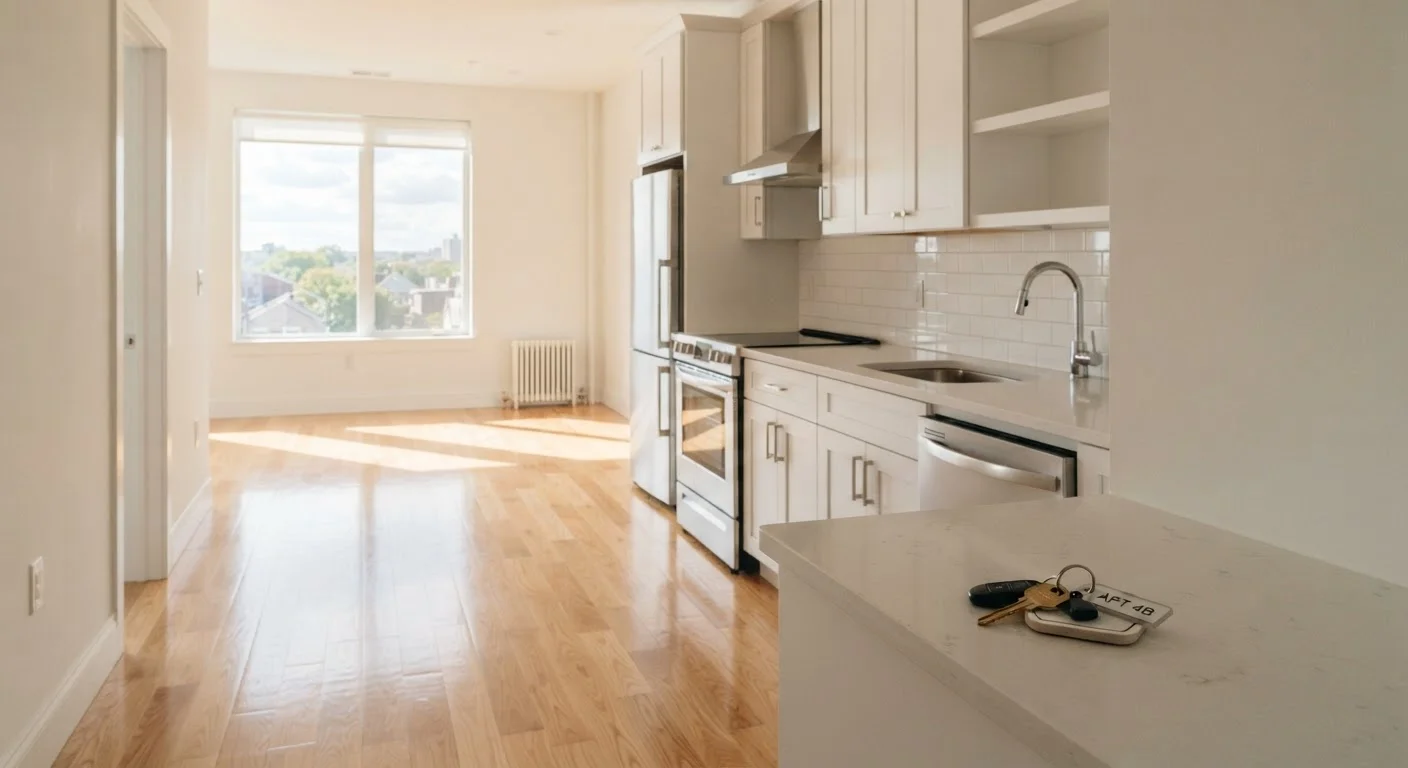
A move-in inspection record does something simple but powerful: it fixes the baseline. It establishes, in writing and on camera, exactly what the apartment looked like before you unpacked a single box. That record becomes your evidence if a landlord later claims you caused a scratch, stain, or broken fixture that was there on day one.
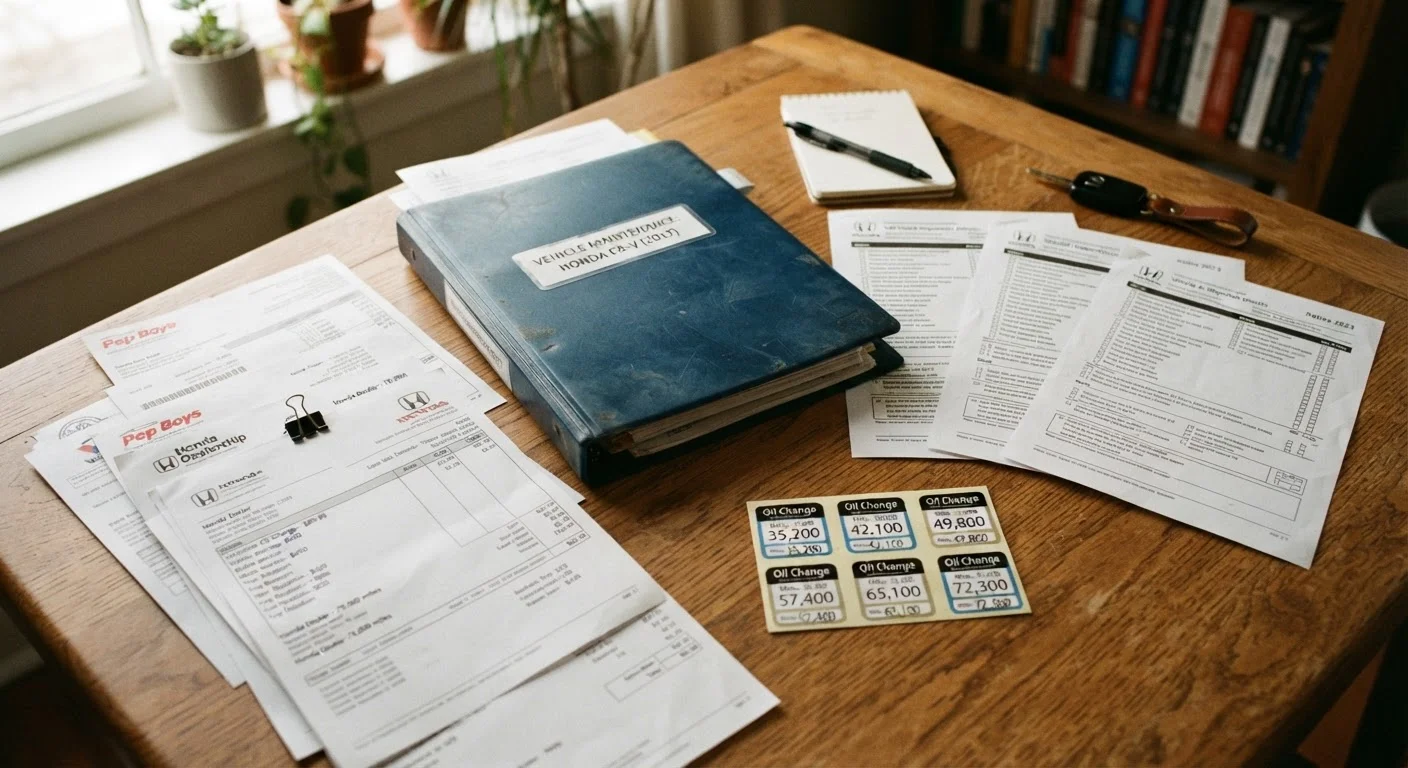
Many states have specific laws requiring landlords to provide itemized move-in condition reports, but even where they don't, creating your own is sound practice. Think of it as the same logic behind keeping detailed records for your vehicle - documentation made at the time of an event is far more credible than recollections made later.
What to Document and How
Effective move-in documentation requires both visual evidence and written records - neither alone is sufficient. Here's a systematic approach:
- Photograph every room from multiple angles before moving anything in. Capture corners, floors, ceilings, and walls.
- Record video walkthroughs in a single continuous take per room. Narrate what you see aloud - it timestamps your observations.
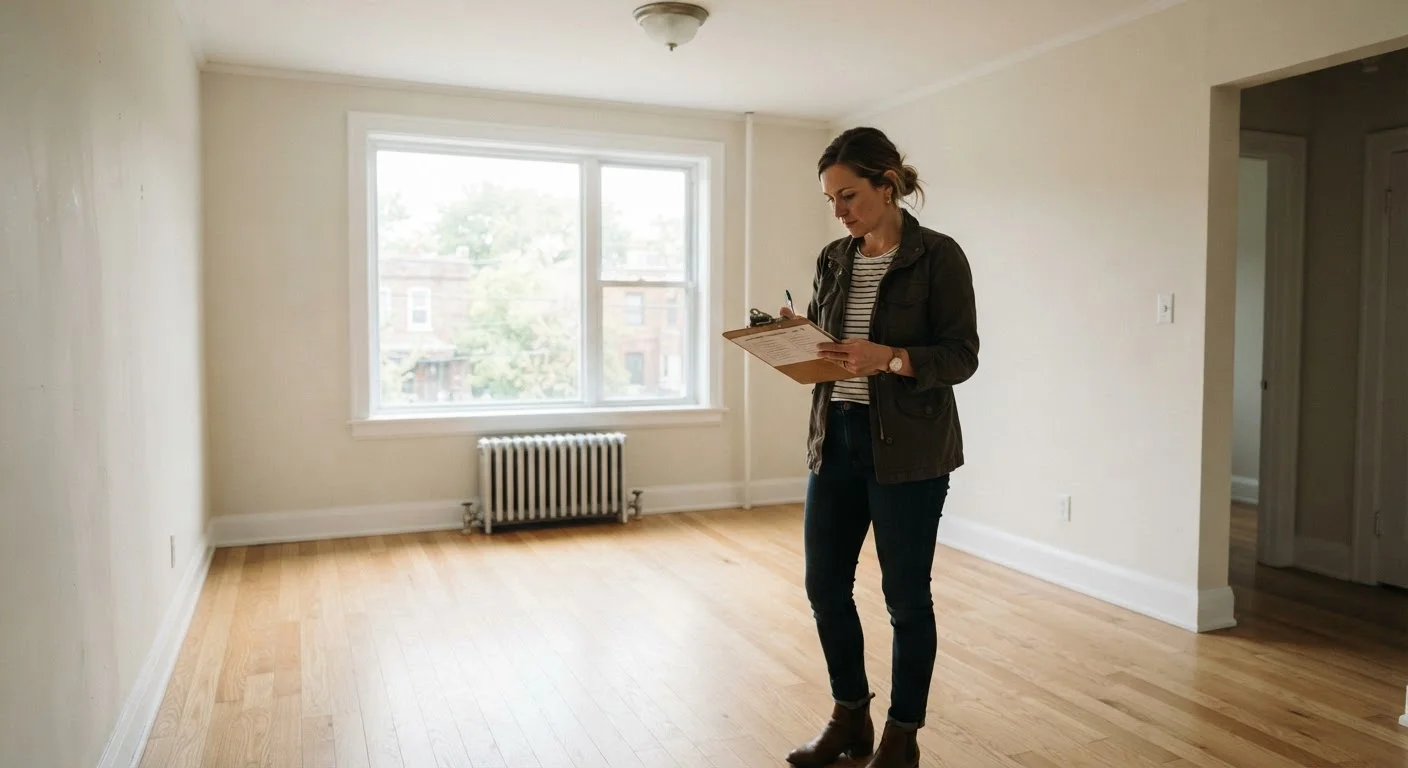
- Use the landlord's move-in checklist if one is provided, but supplement it with your own notes. Landlord-issued checklists sometimes omit categories that matter.
- Test every appliance, outlet, faucet, window lock, and door. Note anything that doesn't function correctly.
- Note cosmetic imperfections even if they seem minor: small nail holes, scuffs along baseboards, stains under removable items.
When you're done, you'll want to consult your move-out checklist to understand how this documentation will be used when you eventually leave.
Transmitting and Storing Your Records
Documentation that only exists on your phone is risky - devices get lost or replaced. A record you never share with your landlord can also be challenged as a later fabrication.
Know Your State's Rules on Inspection Reports
Some states legally require landlords to provide a written move-in condition report, and in certain jurisdictions a landlord who fails to do so may forfeit the right to make deductions from your deposit. Requirements vary widely - check with your state's tenant rights office or a local housing authority to understand what applies in your area.
Follow these steps to make your records legally credible:
- Email your photos and notes to your landlord within 24-48 hours of move-in. Request written acknowledgment. Email creates an automatic timestamp and a paper trail.
- Back up files in at least two places: cloud storage and a local external drive or second device.
- Keep copies of any signed inspection forms with your lease documents. Treat this paperwork with the same care as the lease itself.
- Note the date and time on all written records, and confirm your camera's date/time settings are correct before taking photos.
If your landlord refuses to acknowledge receipt or disputes your documentation, a certified letter enclosing printed copies creates an independent delivery record. This level of care is consistent with the broader diligence recommended in resources like the market-readiness checklist for prospective renters - preparation done before problems arise is always more effective than damage control afterward.
This article provides general informational guidance for renters and is not legal advice. Tenant rights and landlord obligations vary significantly by state and locality. Consult a qualified attorney or local tenant advocacy organization if you face a specific dispute.