Why a Structured Move-Out Process Matters
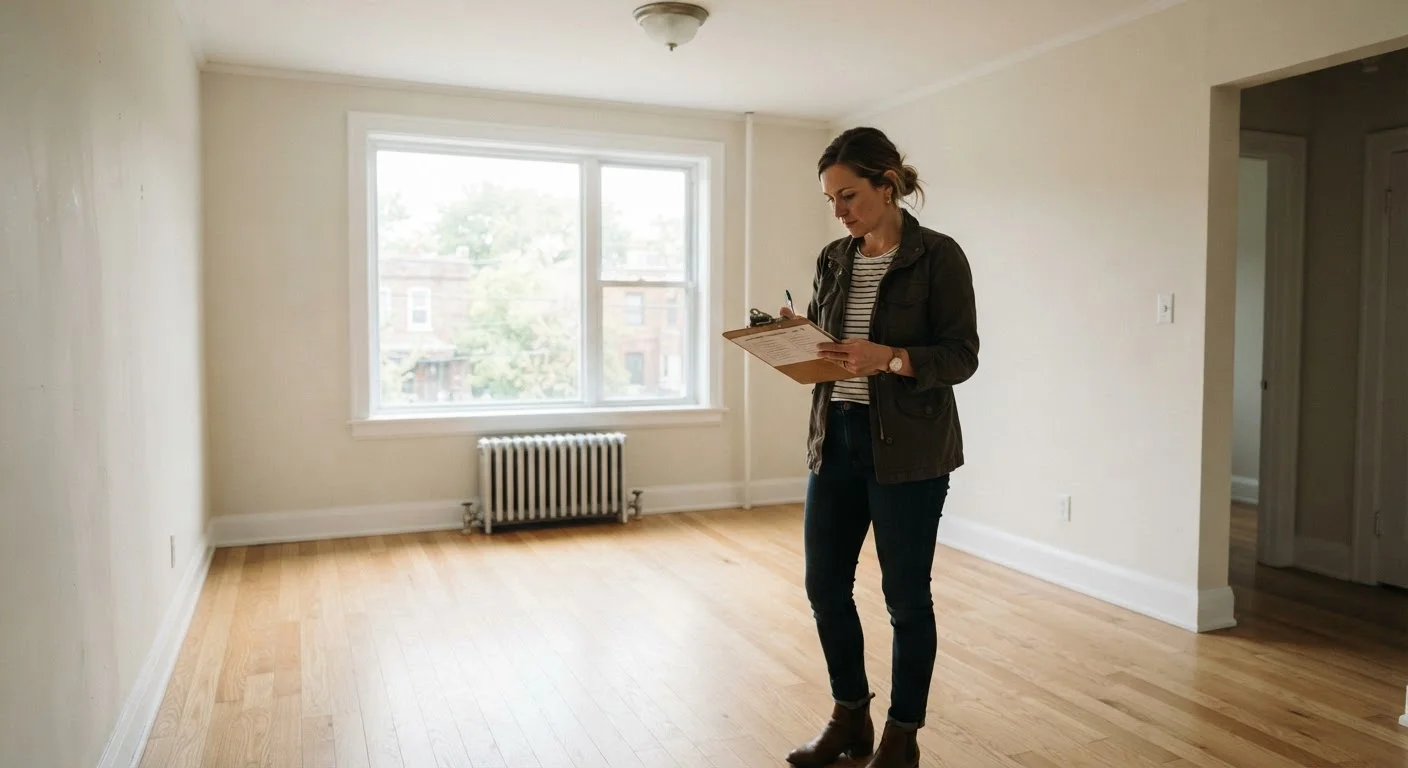
Moving out feels straightforward until a dispute over your security deposit lands in your lap weeks later. Landlord-tenant disagreements over deposit deductions are among the most common housing conflicts in the U.S., and they are largely preventable. A disciplined pre-departure process protects your money, preserves your rental history, and keeps the relationship professional - all of which matter when a future landlord calls for a reference.
Before diving into the checklist, pull out two documents: your lease agreement and, if you made one, your original move-in condition report. The move-in documentation guide explains exactly why that record is so powerful - it gives you a baseline to compare against when you leave. If you skipped that step at move-in, rely on any dated photos you took at the time.
State laws govern how quickly landlords must return deposits and what they may legally deduct. For a thorough breakdown, see our article on security deposit rules and legal deductions. General principle: landlords can deduct for damage beyond normal wear and tear, but not for ordinary aging of the property.
Lease and Notice
Cleaning and Repairs
Documentation
Utilities and Services
Key Return and Final Walkthrough
Tools and Resources You Will Need
Having the right materials on hand turns a stressful move-out day into a manageable series of tasks. Gather these before your final week begins.
Smartphone camera
Capture dated, high-resolution photos of every room for your exit documentation record.
Cloud storage or email account
Store and timestamp exit photos so they cannot be disputed or accidentally deleted.
Original lease agreement
Confirm cleaning requirements, deposit terms, and move-out notice obligations before you begin.
Move-in inspection report
Compare your unit's current condition against the documented baseline from when you moved in.
Spackling compound and small paintbrush
Patch nail holes and touch up minor wall blemishes that may otherwise trigger deductions.
All-purpose cleaner, scrub pads, and mop
Complete the deep clean of kitchen, bathrooms, and floors required in most leases.
Do Not Skip the Written Confirmation Step
Verbal agreements about move-out conditions carry little weight if a deposit dispute escalates. Always follow up in-person conversations with a brief email summarising what was discussed and agreed upon. Courts and mediation panels routinely rely on written records - not recollections - to settle disagreements.
After the Keys Are Handed Over
Your obligations do not end the moment you drop off the keys. Follow up in writing within 24 hours to confirm the handover date and request confirmation of the property's condition. Keep that message - along with all prior correspondence - stored somewhere you can access it after you have moved.
Most states require landlords to return the deposit within 14 to 30 days of move-out, accompanied by an itemised list of any deductions. If your landlord misses that deadline or provides deductions you believe are unjustified, your written records and photographs are your primary evidence. Small claims court is the typical venue for unresolved deposit disputes; filing fees are generally modest.
Once your rental chapter closes, your next step may be a home purchase. Our home buying hub offers a comprehensive roadmap, and if you want to gauge your financial readiness first, the financial readiness checklist is a practical starting point.
Missed Deadlines Can Cost You Your Deposit
Many leases include clauses that allow landlords to charge additional fees if the unit is not vacated or cleaned by a specific date and time. Read your lease carefully for any such provisions. If you anticipate needing extra time, communicate in writing with your landlord as early as possible - waiting until moving day rarely ends well.