The Core Trade-Off: Control vs. Character
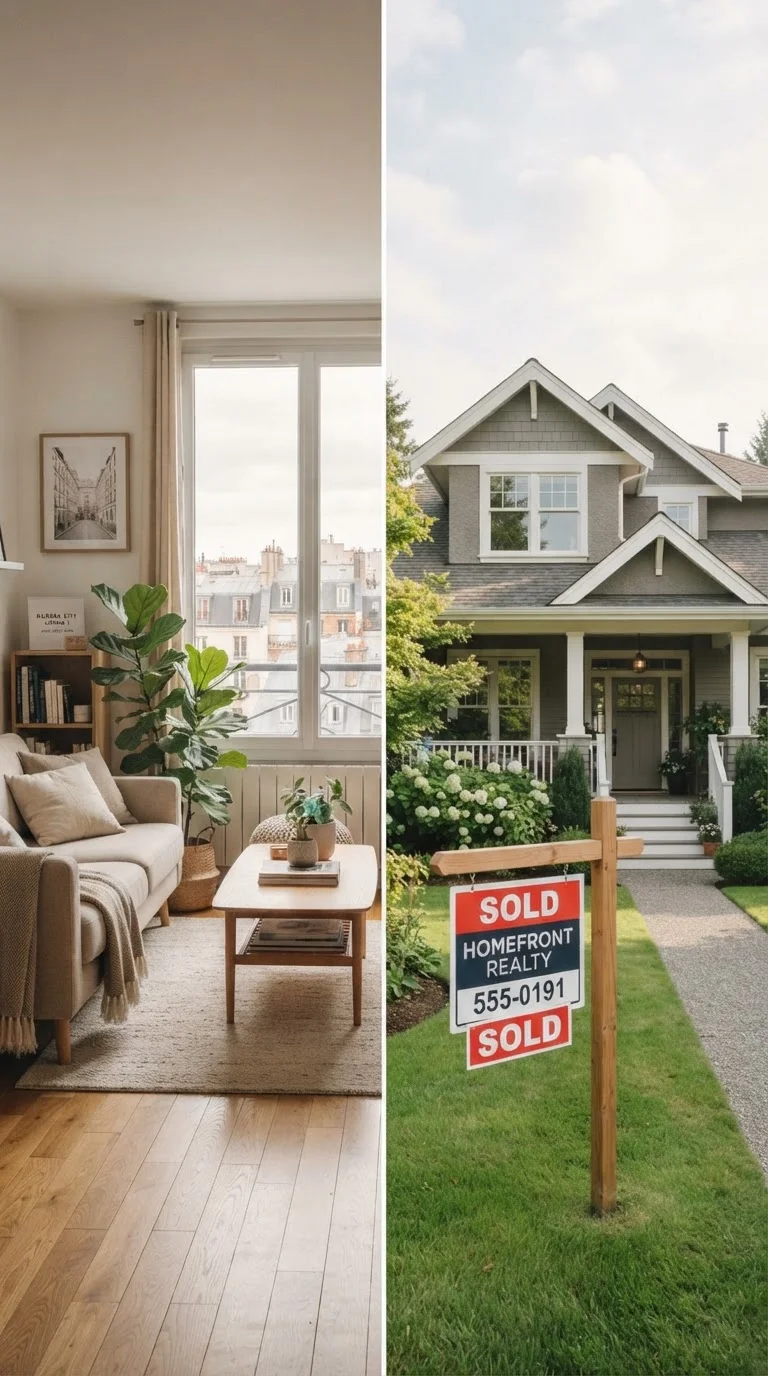
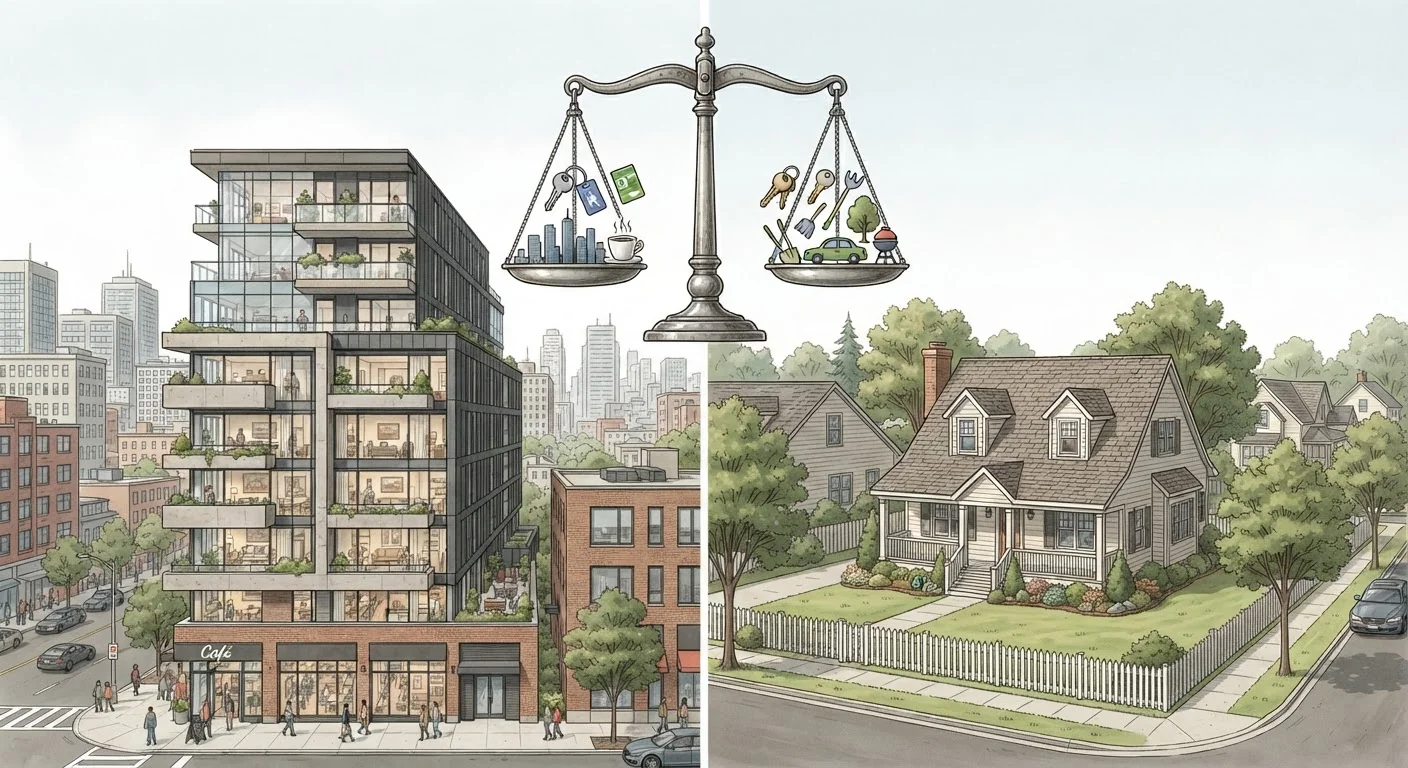
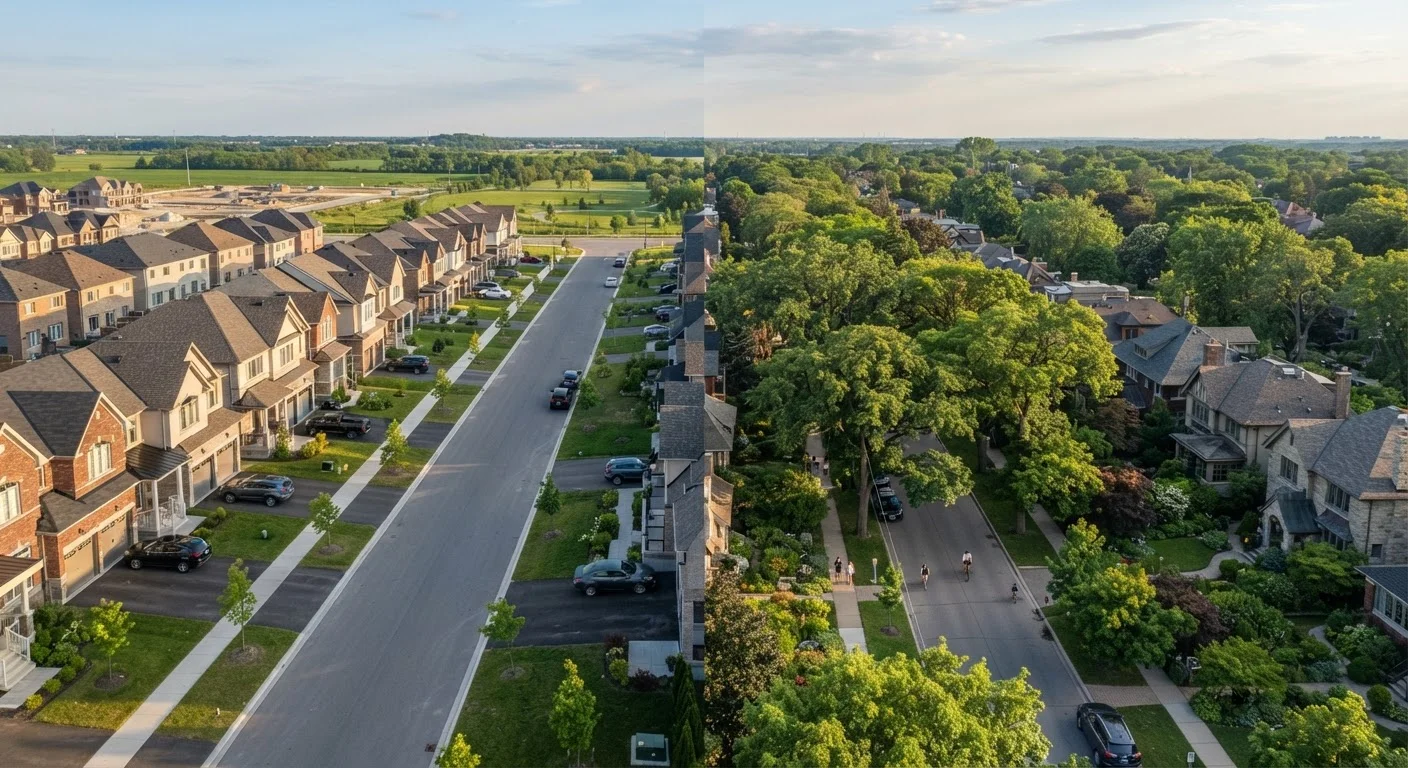
When weighing new construction against an existing home, the central tension is predictability versus personality. A newly built home offers systems installed to current code, builder warranties, and often some degree of design input. An existing home brings established character - mature trees, architectural detail, and a neighborhood with a known track record.
For first-time buyers, the emotional pull of each path can be strong. But the practical differences run deeper than aesthetics. Understanding them clearly before you start shopping can prevent costly surprises down the road. If you're still weighing whether homeownership makes sense at all, see our realistic financial comparison of renting vs. buying for a grounded starting point.
| New Construction | Existing Home | |
|---|---|---|
| Move-in Timeline | Months to over a year | Typically 30-60 days after offer |
| Mechanical Systems | New, under warranty | Age varies; inspection critical |
| Customization | Limited builder options, upgrades cost extra | Renovate on your own schedule |
| Negotiating Leverage | Limited; builder sets terms | More flexible with motivated sellers |
| Neighborhood Maturity | Unknown; still developing | Established; easier to evaluate |
| Near-Term Maintenance Risk | Low; new systems throughout | Higher; depends on age and upkeep |
| Energy Efficiency | Generally higher; modern insulation and systems | Varies; older homes may need upgrades |
What New Construction Actually Delivers
New builds come with genuine advantages. Mechanical systems - HVAC, plumbing, electrical - are new and typically covered by a builder warranty, often one year for workmanship and longer for structural components. Energy efficiency tends to be higher, which can translate to lower utility bills over time. And buyers who get in early enough can sometimes choose finishes, layouts, or lot position.
But the hidden costs are real. Builder-grade finishes are often the baseline - upgrades add up quickly, sometimes tens of thousands of dollars beyond the base price. Communities under development may lack nearby schools, retail, or transit for years. Construction delays are common, creating uncertainty for buyers who've already given notice at their rental.
Get Pre-Approved Before Visiting Model Homes
Builder sales representatives work for the developer, not for you. Visiting a model home before you have pre-approval and a clear budget can lead to decisions driven by emotion rather than financial reality. Secure independent pre-approval first, bring your own agent if possible, and treat the model home visit as research - not a commitment.
Builders also typically use their own preferred lenders and contracts, which may limit your negotiating leverage compared to a traditional resale transaction. Having an independent real estate attorney review any builder contract is generally advisable.
What Existing Homes Bring to the Table
Resale homes offer something new construction rarely can: a known quantity. You can see the neighborhood at different times of day, check school performance data, and assess commute times before committing. Mature landscaping, larger lots, and architectural variety are common advantages.
Pricing negotiation tends to be more flexible with a motivated seller than with a builder selling hundreds of units on a fixed schedule. Closing timelines are generally faster - typically 30 to 60 days - compared to months-long waits for new builds.
The trade-off is deferred maintenance risk. Older roofs, aging HVAC systems, outdated electrical panels, and plumbing wear can generate significant costs in the years after purchase. A thorough home inspection is not optional - it's essential. For broader guidance on navigating your first purchase, our first-timer's guide covers what often catches buyers off guard.
Hidden Considerations That Shape the Decision
Beyond the obvious pros and cons, several less-discussed factors often tip the balance.
- HOA structure: New communities frequently come with homeowners associations that carry fees and restrictions. Existing neighborhoods may or may not. Fees affect your total monthly housing cost and should be factored into affordability calculations.
- Property tax assessments: In some states, a new construction sale can trigger a reassessment at full purchase price, while an existing home's assessed value may lag behind market value - or vice versa. Tax treatment varies significantly by jurisdiction.
- Appraisal challenges: New construction in developing areas can be harder to appraise if comparable sales are limited. This can affect financing if the appraisal comes in below the contract price.
- Resale potential: Existing homes in established, desirable neighborhoods sometimes hold value more predictably than newly built communities whose long-term character is still being established.
Local market conditions also shape how much real choice buyers have. In markets with tight resale inventory, new construction may be the only practical path to homeownership in certain price ranges. You can explore how current conditions affect both paths in our market-grounded renting vs. buying comparison.
This article is for general informational purposes only and does not constitute financial, legal, or real estate advice. Readers should consult qualified professionals - including licensed real estate agents, attorneys, and financial advisers - before making housing decisions.