Why Proportions Matter More Than Rules
Most nutrition guidance in the United States - including the federal Dietary Guidelines for Americans - emphasizes eating patterns rather than rigid food rules. The reason is straightforward: no single meal determines your health, but the overall composition of what you eat across days and weeks has meaningful, well-documented effects on long-term well-being.
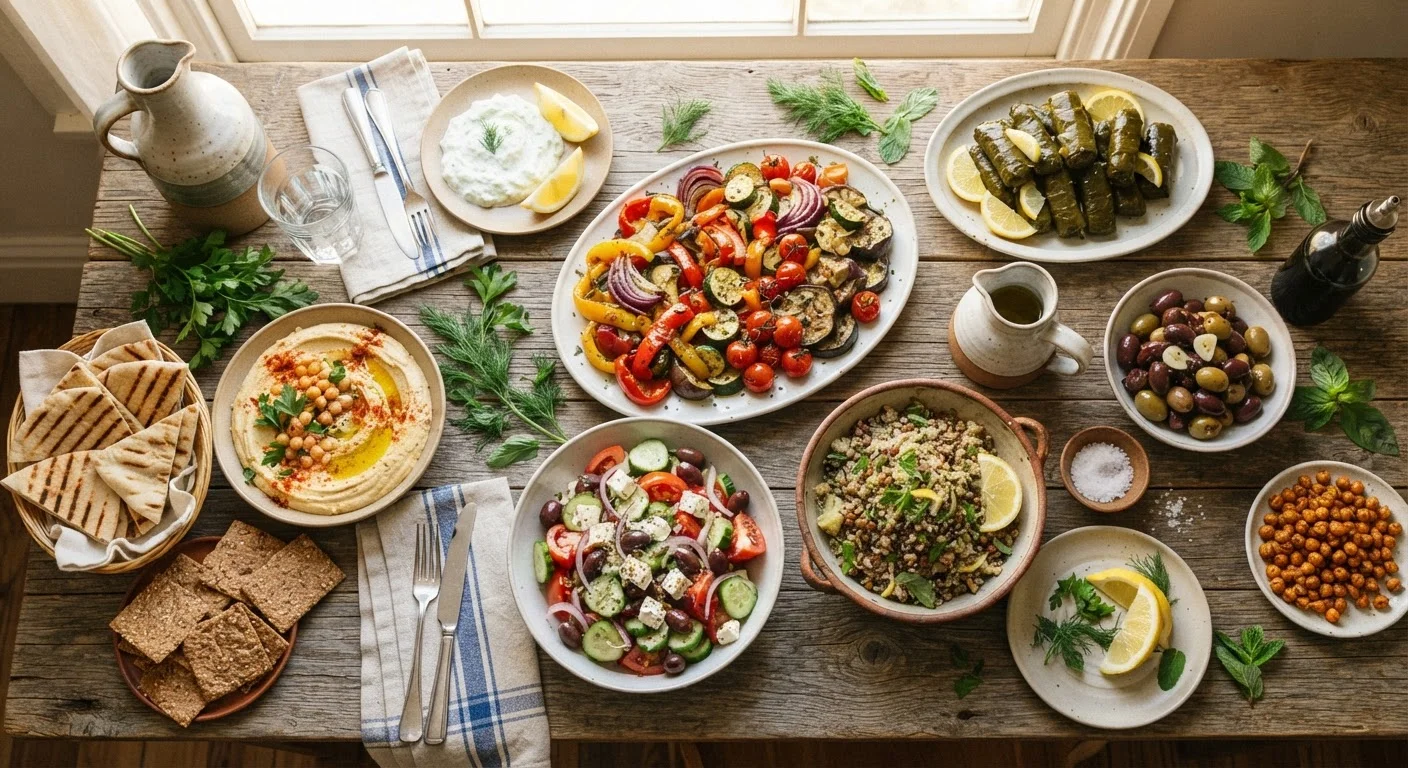
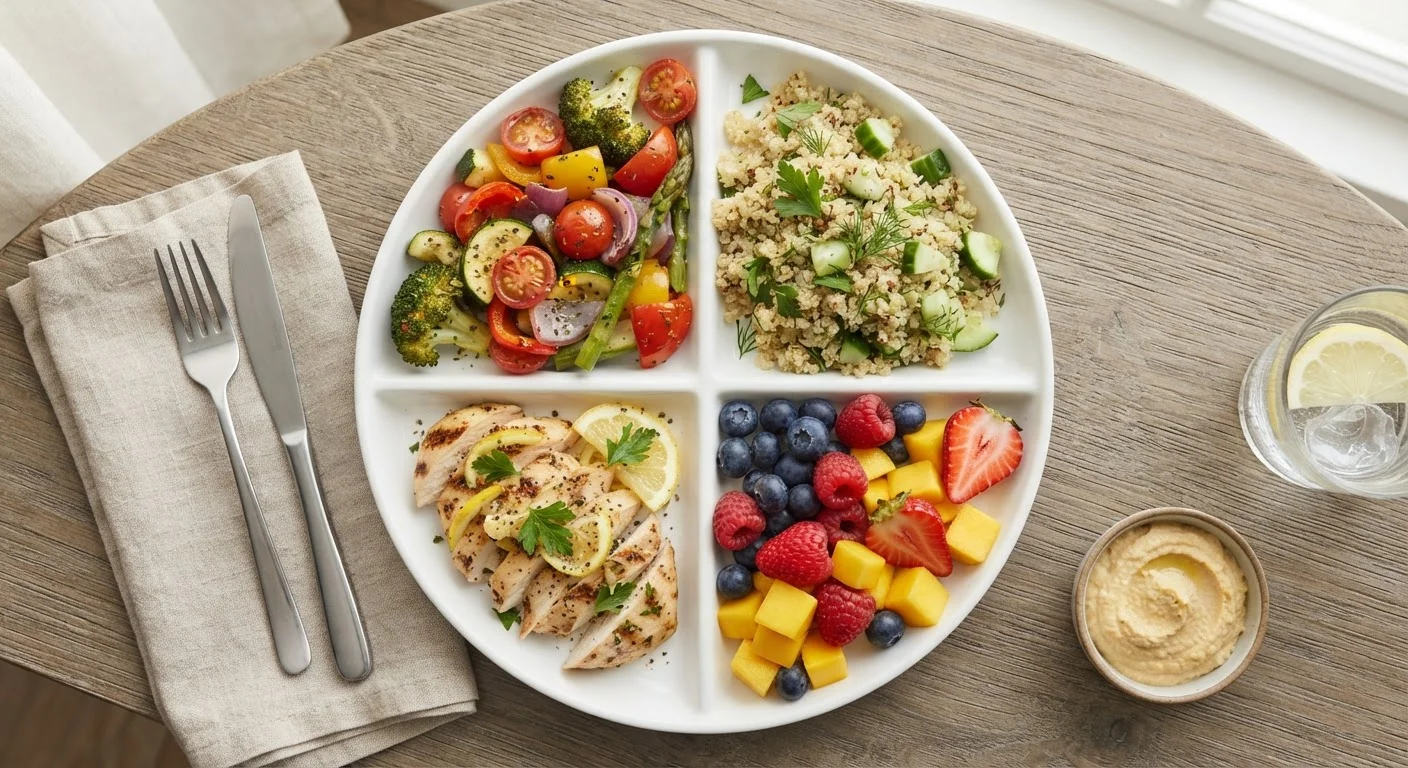
A useful mental model is the plate method, popularized by tools like USDA's MyPlate framework. Rather than counting grams or calories at every meal, it uses visual proportions to guide food group balance. This approach is practical, adaptable, and doesn't require special equipment or expertise. To understand how different eating patterns compare, see our overview of eating patterns that nutrition research has studied most.
What you will need
How to Build Your Plate, Step by Step
The steps below walk through assembling a balanced plate using food group proportions. These are general education guidelines - not a personalized prescription. If you have specific health conditions, dietary restrictions, or concerns, consult a registered dietitian or your healthcare provider before making significant changes to your eating habits.
Fill Half Your Plate with Vegetables and Fruit
Aim to cover approximately half your plate with a combination of non-starchy vegetables and fruit. Vegetables should make up the larger share of this half - leafy greens, broccoli, carrots, peppers, tomatoes, or whatever is available and appealing. Fruit contributes natural sugars along with fiber and micronutrients, so it fits well here in moderate amounts.
Variety across colors is a practical proxy for nutrient diversity. Different pigments in produce - the deep green of spinach, the orange of sweet potato, the red of bell peppers - often reflect different vitamins, minerals, and phytocompounds.
Dedicate One Quarter to Whole Grains or Starchy Vegetables
Reserve roughly one quarter of your plate for whole grains such as brown rice, whole-wheat bread, oats, barley, or quinoa - or for starchy vegetables like sweet potatoes, corn, or peas. Whole grains retain their bran and germ, which provide fiber, B vitamins, and minerals that refined grains lose during processing.
If whole grains aren't always feasible due to availability, cost, or preference, enriched refined grains (like enriched white rice or pasta) still contribute important B vitamins and are a reasonable part of an overall balanced pattern.
Fill the Remaining Quarter with a Protein Source
The final quarter of your plate is devoted to protein. This can be animal-based (such as poultry, fish, eggs, or lean cuts of meat) or plant-based (such as beans, lentils, tofu, tempeh, or edamame). Both categories provide essential amino acids, though with some differences in profile and digestibility. For a deeper look at those differences, see our article on plant protein vs. animal protein.
Mixing protein sources throughout the week - rather than relying on a single type - tends to support both nutritional breadth and environmental sustainability.
Add a Calcium-Rich Component and a Healthy Fat
Alongside your plate, consider a serving of dairy or a calcium-rich alternative - low-fat milk, plain yogurt, or fortified plant-based milks such as soy or almond milk. Calcium and vitamin D support bone health, among other functions.
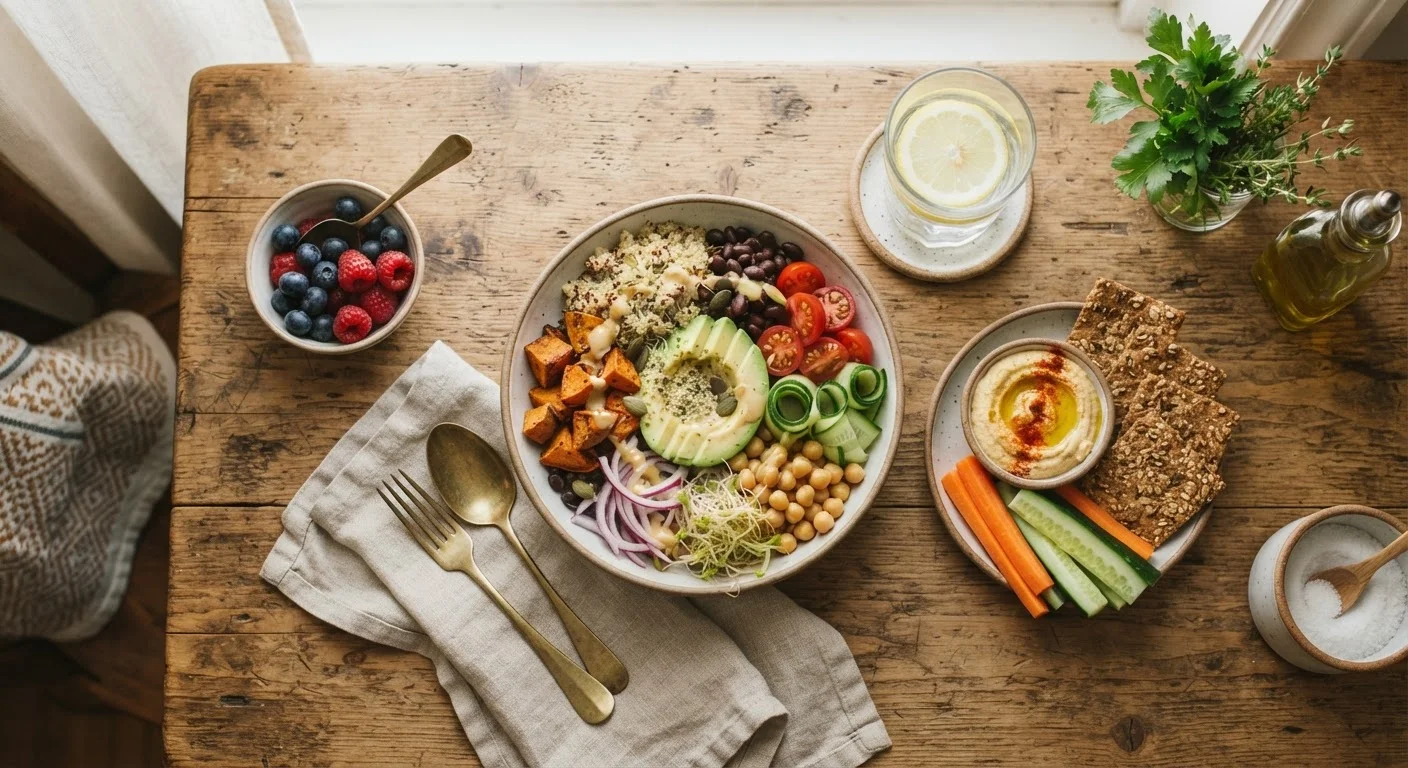
Healthy fats - from sources like avocado, olive oil, nuts, or seeds used in cooking or as a topping - provide fat-soluble vitamins and contribute to satiety. These don't need their own section of the plate; they're typically integrated into cooking or toppings naturally.
Choose Water or Low-Calorie Beverages as Your Default Drink
What you drink alongside your plate matters. Water is the most straightforward choice and contributes zero added sugar or calories. Unsweetened coffee, tea, and sparkling water are similarly low-impact options. Sugar-sweetened beverages - sodas, sweetened juices, energy drinks - add significant calories without nutritional value and are associated in research with higher intake of added sugars.
This doesn't mean an occasional sweetened drink is harmful, but making water the default is one of the simplest, most consistent habits supported by nutrition research.
Practical Flexibility in Everyday Eating
Real life doesn't always allow for a perfectly composed plate. Takeout meals, shared family dinners, cultural food traditions, and budget constraints all shape what ends up on the table - and that's entirely normal. The goal is a reasonable pattern across your week, not perfection at every sitting.
A few practical principles help maintain balance without rigidity:
- Think in patterns, not meals. A lunch heavy on refined carbohydrates can be balanced by a vegetable-forward dinner. No single meal defines your overall diet.
- Prioritize variety over restriction. A wide range of vegetables, whole grains, and protein sources tends to naturally provide a broader nutrient profile than eliminating entire food groups.
- Watch portions of energy-dense foods - not by weighing them, but by noticing when they crowd out vegetables or whole foods habitually.
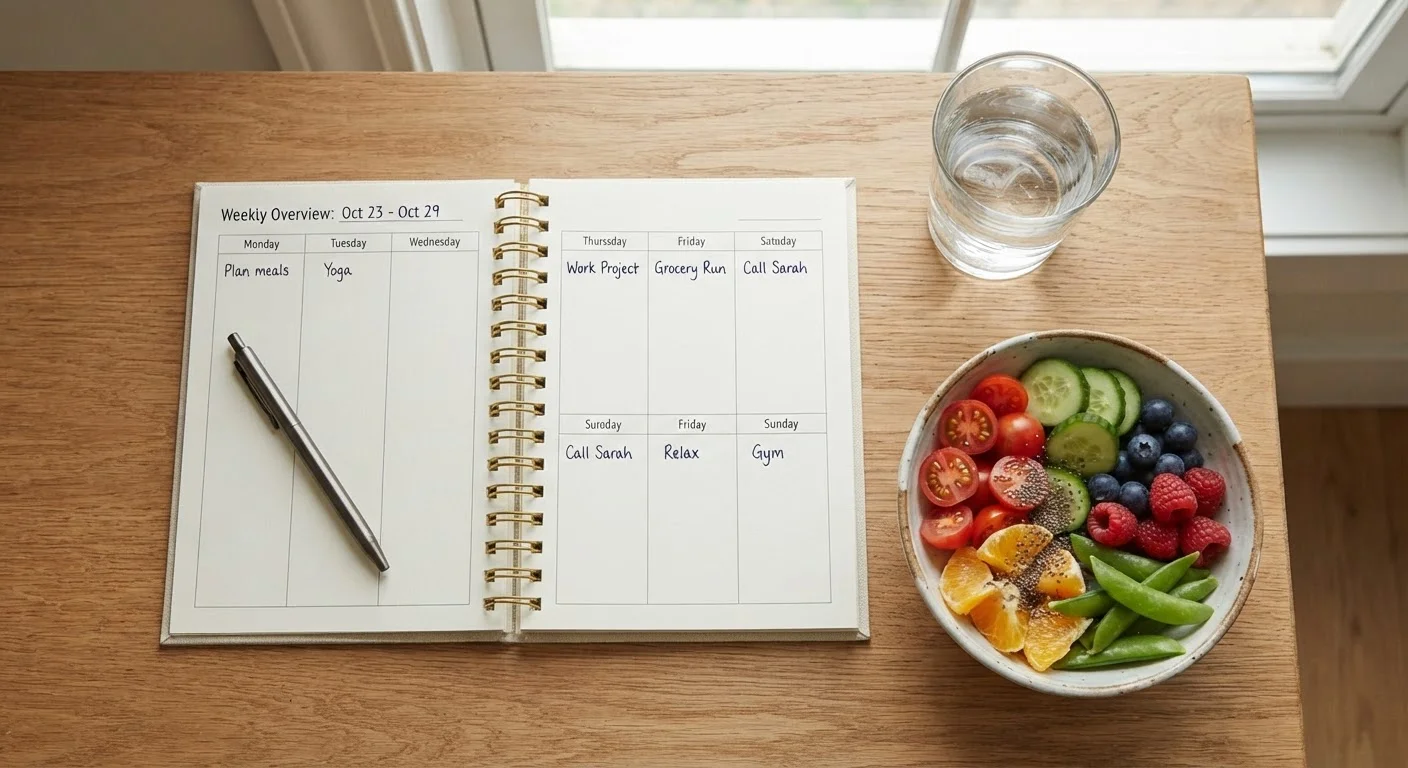
For those interested in building on this foundation with smaller daily habits, small nutrition habits backed by consistent evidence offers a research-grounded starting point. You may also find it helpful to periodically reflect on your eating patterns using a practical weekly nutrition check-in designed for everyday eaters.
Balance Works Across the Week, Not Just One Meal
If one meal is heavier on carbohydrates or lighter on vegetables than ideal, there's no need to compensate aggressively at the next sitting. Nutrition science consistently shows that overall dietary patterns - assessed across days and weeks - are far more predictive of health outcomes than any individual meal. Aim for reasonable consistency rather than daily perfection.
This article provides general nutrition education and is not a substitute for personalized medical or dietary advice. Speak with a qualified healthcare professional about your individual nutritional needs.