
Why a Weekly Nutrition Reflection Helps
Most of us don't need a strict diet plan - we need better awareness of what we're already doing. A weekly nutrition check-in works like a quick audit: it helps you notice patterns without judgment, identify easy wins, and make incremental shifts that are actually sustainable over time.
This checklist is not a calorie counter or a compliance test. It's a mindful habit - similar in spirit to the broader self-care approach outlined in the daily wellbeing habits self-check, which covers sleep, movement, stress, and social connection alongside nutrition.
Working through it once per week - perhaps on a Sunday evening or Monday morning - gives you a realistic picture of how your eating has gone and what, if anything, you'd like to approach differently in the days ahead. The goal is clarity, not perfection.
Weekly planner or journal
Jot down brief notes on meals and patterns during the week so the check-in is based on memory supported by records.
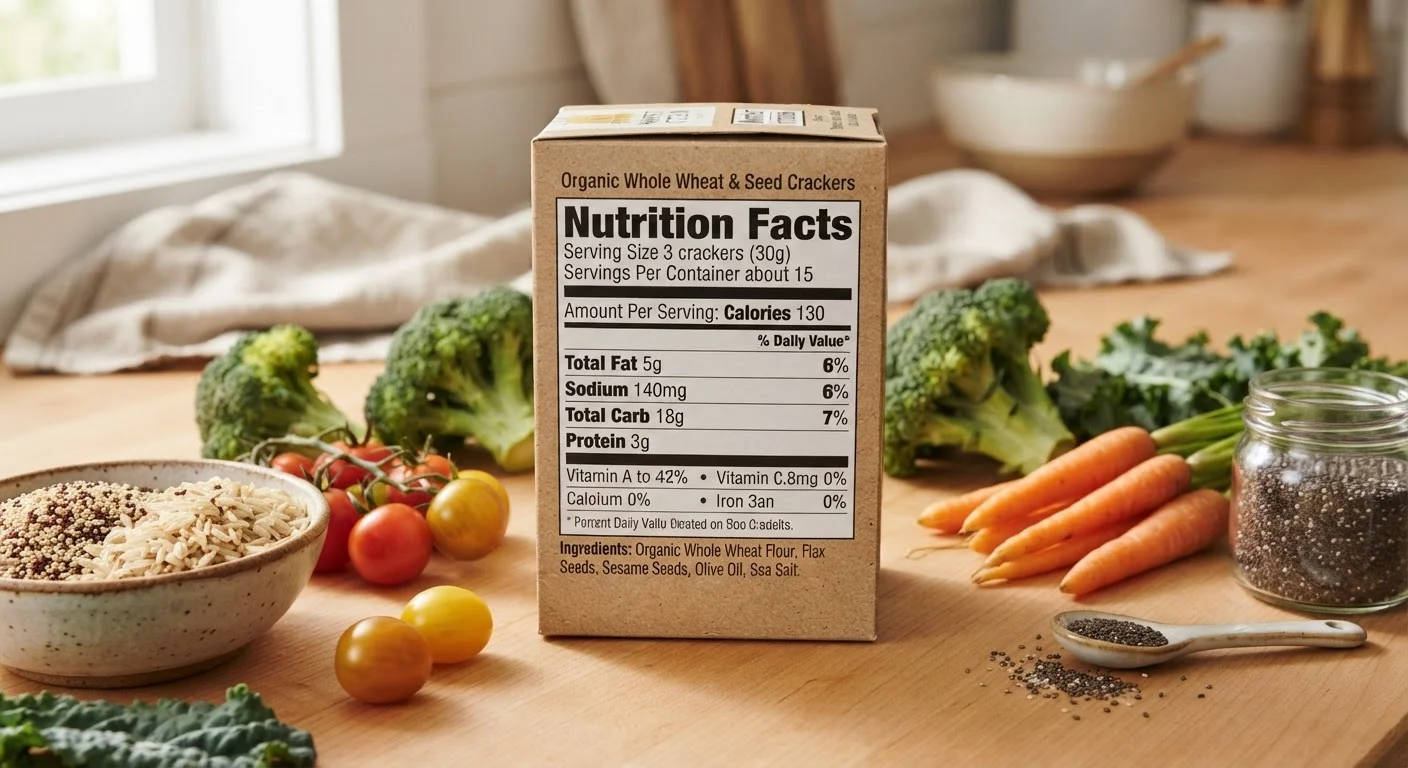
Nutrition Facts labels
Reference packaged food labels to understand sodium, added sugar, and fiber content when completing the checklist.
Registered dietitian
Seek professional, personalized nutrition guidance if this check-in reveals persistent concerns or specific dietary needs.
How to Use This Checklist
Read through each item and honestly reflect on the past seven days. You don't need to score yourself or reach a target number of checkmarks. Instead, treat each item as a prompt: Did I do this at all? More or less than usual? Does it matter to me?
Some items are marked must - these reflect foundational nutrition principles with strong, consistent evidence behind them. Others are should items that are broadly beneficial for most people. A few are nice-to-have refinements that can add value without being essential.
This Is Not a Medical or Diet Tool
This checklist is designed for general self-reflection, not clinical assessment. It is not a substitute for advice from a registered dietitian or healthcare provider. If you have a diagnosed health condition, food allergy, eating disorder history, or are pregnant, breastfeeding, or managing a chronic illness, please consult a qualified professional before making changes to your eating patterns.
If you want to understand what you're seeing on food packaging as you reflect, reading a Nutrition Facts label without getting lost is a useful companion resource.
Food Variety
Hydration Patterns
Eating Patterns and Behaviors
Limiting Nutrients of Concern
A Note on Hydration
Hydration deserves its own moment of attention during your check-in. Water isn't just a background necessity - it plays an active role in digestion, nutrient absorption, and energy regulation. The relationship between what you eat and how much water your body needs is explored in depth in the article on hydration and nutrition.
Individual fluid needs vary based on body size, activity level, climate, and diet composition - so there's no single number that applies to everyone. If you're curious about where common hydration advice comes from and what the evidence actually shows, the science behind drinking more water offers useful context.
Avoid Over-Restricting Based on Check-In Results
If your check-in surfaces gaps, resist the urge to dramatically restrict foods or jump to an elimination approach. Sudden, extreme dietary changes can be counterproductive and, for some people, harmful. Small, gradual adjustments are generally more sustainable and appropriate for most healthy adults. Always speak with a healthcare provider before making significant changes to your diet.
After completing your check-in, consider one small, specific intention for the coming week - not a sweeping overhaul, just one area worth gentle attention. For more examples of modest habits with research support, see small nutrition habits backed by consistent evidence.
This article is for general informational and educational purposes only and does not constitute medical or nutritional advice. For guidance tailored to your individual health needs, consult a qualified healthcare provider or registered dietitian.