
Connections: The Building Block of Multi-Leg Travel
A connecting flight is simply a flight that forms part of a multi-leg itinerary - you board one plane, land at an intermediate airport, and board a second (or third) plane to reach your final destination. When your flights are booked under a single reservation, the airline ties the legs together, meaning your checked baggage is usually tagged through to the end, and the carrier bears some responsibility if a delayed first flight causes you to miss the second.
The critical practical point: connection time. Every major airport publishes a minimum connection time (MCT) - the shortest interval considered safe for transferring between two flights. These vary significantly. A domestic-to-domestic connection at a compact regional airport might be feasible in 45 minutes. An international arrival requiring customs, immigration, and a terminal change at a major hub could need two hours or more.
Most airline booking engines won't sell you a connection shorter than the MCT, but if you're piecing together flights from separate bookings - a self-transfer - you carry all the risk yourself. Building buffer time into your itinerary matters here: what looks like a manageable 90-minute gap on paper can evaporate quickly after a gate change or a late inbound flight.
Layovers: Waiting It Out Between Flights
A layover refers to the time you spend waiting at an intermediate airport between connecting flights on the same itinerary. By common convention - and per IATA rules - a layover lasts fewer than 24 hours. In everyday usage, travelers use the word to describe any wait between legs, whether it's 90 minutes or 18 hours.
Short layovers (under 3 hours) are purely functional: you deplane, navigate to your next gate, and board again. Longer layovers - sometimes called extended layovers - open up options. Many airports offer in-terminal lounges, hotels, showers, and dining, making a 6- to 10-hour wait manageable without leaving the building.
Check Visa Requirements for Every Country You Land In
Even if you never plan to leave the airport during a layover, some countries require a transit visa for certain passport holders. Don't assume that staying in the international terminal exempts you - rules vary widely by nationality and country. Verify requirements through the official embassy or consulate website of every country where your flight lands.
If a layover is long enough and you have the right entry documents, leaving the airport to explore the city is a genuine option. Some airlines even market routes with attractive layover cities as a feature. Just confirm visa requirements well in advance - assumptions here can cause real problems at the border.
Stopovers: The Intentional Multi-City Stay
A stopover is what happens when a traveler deliberately pauses for more than 24 hours at an intermediate city before continuing to their final destination - and it's booked as part of a single itinerary, not as a separate trip. This distinction matters both for pricing and logistics.
Stopovers are common on long-haul international routes. An airline routing flights between North America and Southeast Asia through a major hub in the Middle East or Europe, for example, may allow passengers to stop in that hub city for a night or several days at little or no additional fare cost, depending on the fare rules.
24 hrs
Threshold defining a stopover vs. layover
Per IATA convention, any intentional break of more than 24 hours at an intermediate point is classified as a stopover rather than a layover.
90 min+
Recommended minimum for domestic connections
Most major U.S. carriers and airport authorities suggest at least 60-90 minutes for domestic connections; international transfers often require 2 hours or more depending on the airport.
195+
Countries with their own transit visa rules
Transit and stopover visa requirements vary by passport and destination country; travelers should consult official embassy or government sources before every international itinerary.
The strategic value is real: instead of a punishing 20-hour journey with an involuntary 10-hour wait, a stopover turns that wait into a planned overnight in a second destination. When you're structuring a multi-destination trip, a stopover can add genuine value without proportionally increasing cost.
One important caveat: a stopover does not automatically give you entry rights. Even if your airline allows the stop, the country where you pause has its own visa and entry requirements. Always verify with official government sources - not just the airline - before confirming plans to stay overnight in a connecting country.
How Airline Fare Rules Shape Your Options
Whether a stopover is allowed - and at what cost - depends entirely on your ticket's fare rules, not just the route. Discount or basic economy fares frequently prohibit stopovers altogether. Flexible or premium fares may allow them at no extra charge. Some carriers have built stopover programs that actively encourage passengers to spend time in their hub city, offering reduced hotel rates or guided itineraries as part of the package.
When reviewing a booking, check the fare conditions tab rather than relying on the visual itinerary display. Terms like stopover not permitted or one free stopover allowed appear there. Misreading this can result in rebooking fees or having your itinerary voided.
A related concept worth knowing: open-jaw tickets. These let you fly into one city and out of another - for example, flying into London and departing from Paris - without backtracking. Open-jaws aren't the same as stopovers, but they're another tool for travelers who want flexible multi-city routing. Understanding these options can help you compare the trade-offs of different booking structures before you commit.
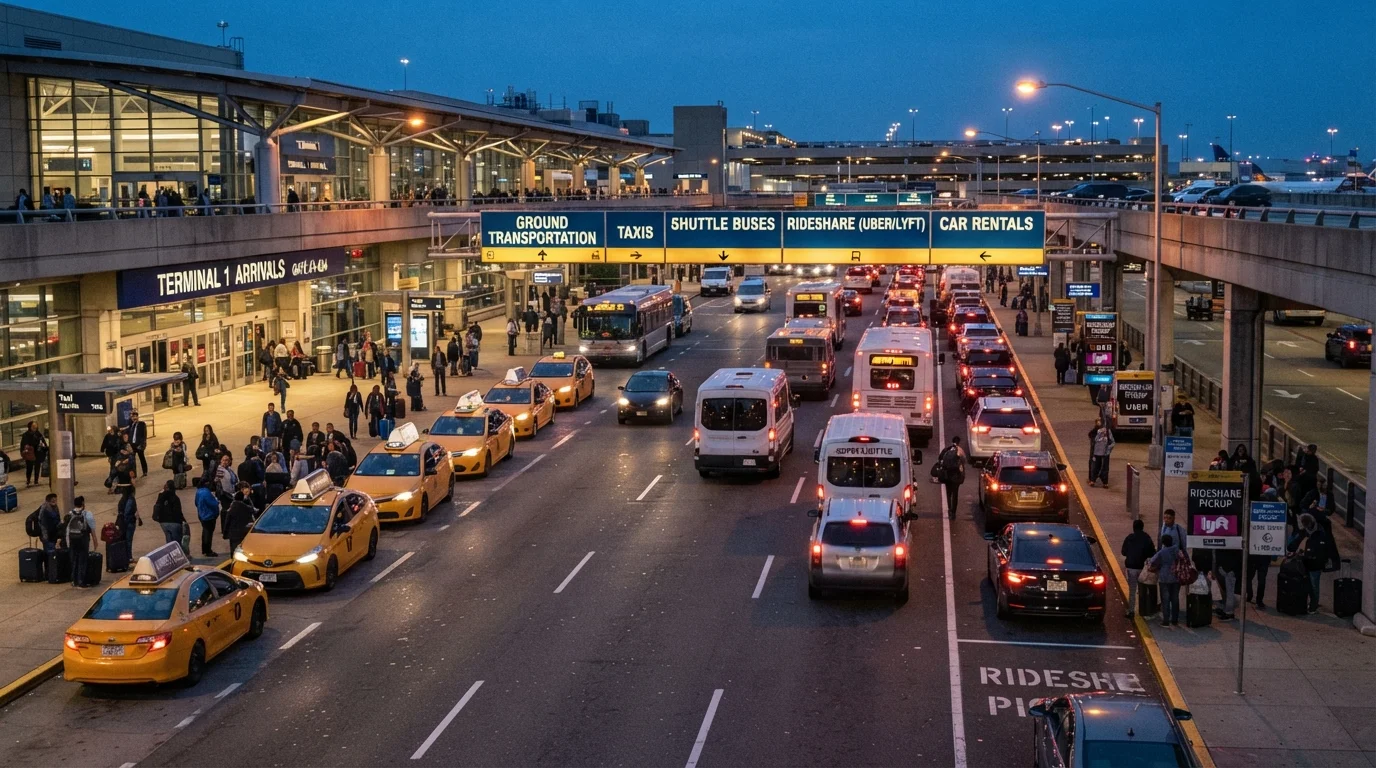
Once you land, of course, the airport journey continues - knowing your ground transportation options at major airports is the next practical step in getting where you're going.