What Each Trip Type Actually Feels Like
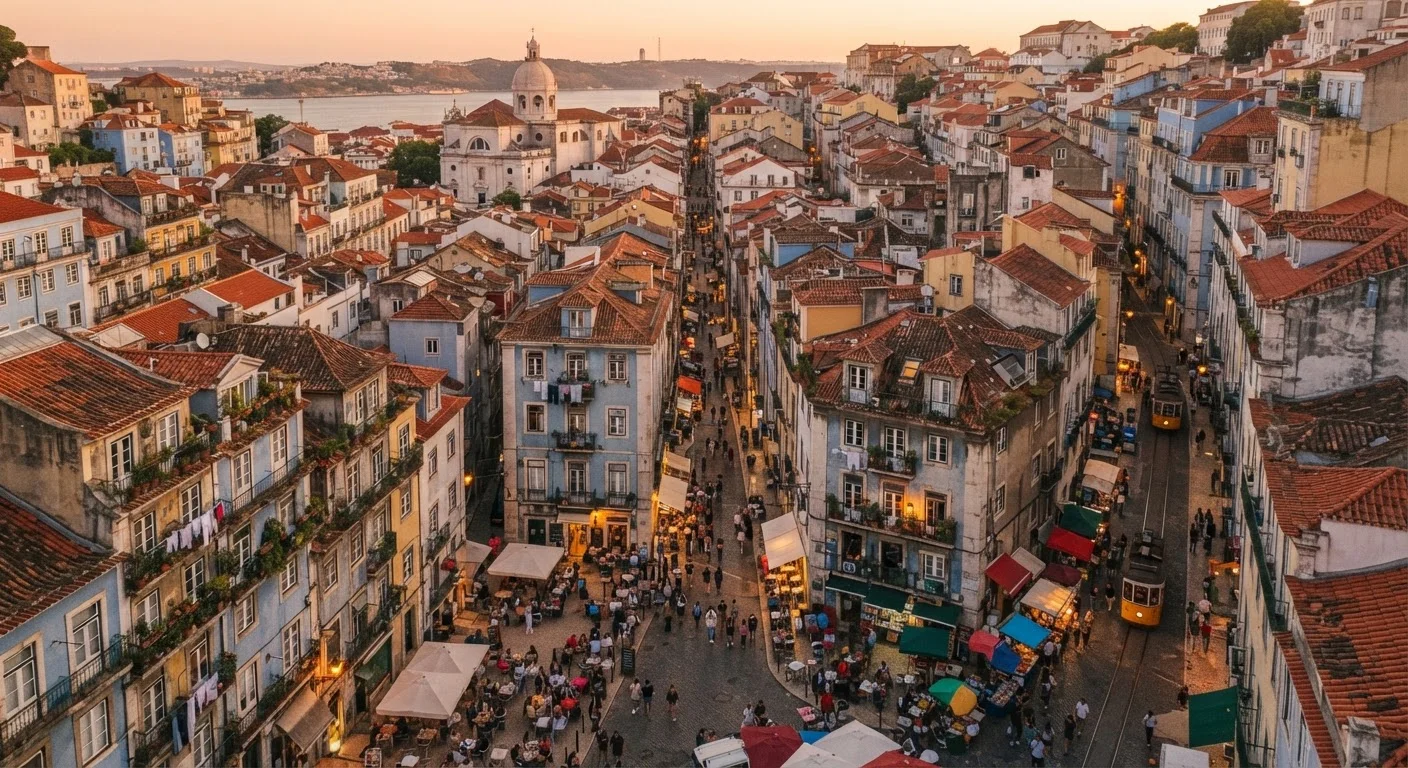
A European city break is fundamentally about density. Within a few walkable kilometers, you might move from a Roman-era ruin to a contemporary art gallery to a neighborhood market that's been running for a century. That richness is genuinely exciting - but it also means constant navigation, sensory input, and the low-level pressure of feeling like you might miss something. For travelers who thrive on stimulation, that's a feature. For those already running on empty before departure, it can compound fatigue rather than relieve it.
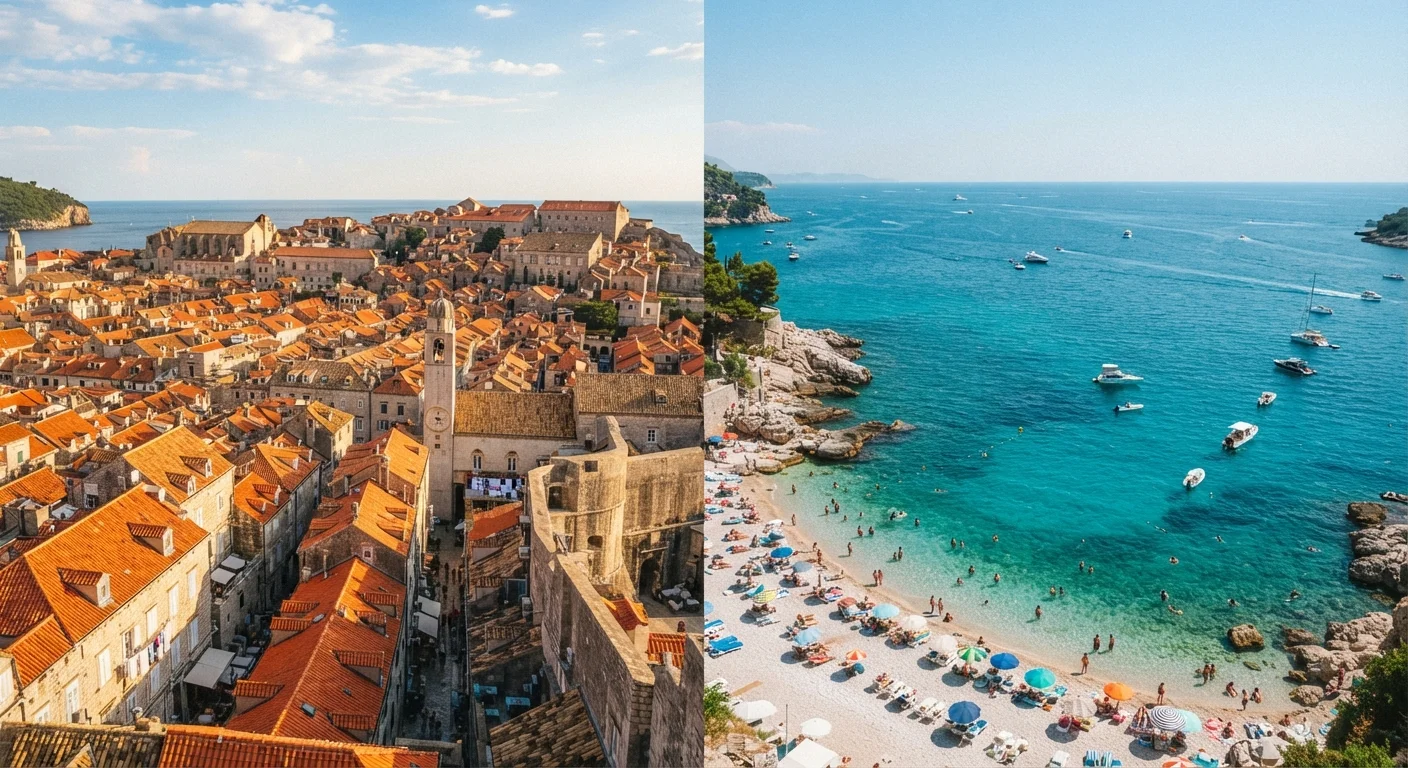
A beach retreat inverts this. The Greek islands, the Croatian coast, or Portugal's Algarve offer a much narrower daily menu: swim, eat, walk a little, repeat. That simplicity sounds limiting on paper, but in practice it produces a quality of rest that city itineraries rarely match. The trade-off is real, though - by day four, travelers who need intellectual or cultural engagement may start to feel restless. Knowing which camp you fall into before you book saves a lot of mid-trip disappointment.
It's worth being honest about what you're optimizing for. A city break and a beach retreat both qualify as a "holiday in Europe," but they deliver fundamentally different experiences. Some cities also reward slower travel, blurring the line - but most trips still lean clearly one way or the other.
Practical Differences: Cost, Crowds, and Logistics
| Criterion | City Break | Beach Retreat |
|---|---|---|
| Daily activity variety | High - museums, food, neighborhoods | Moderate - sea, local dining, excursions |
| Rest and decompression | Low to moderate | High |
| Peak-season crowding | Intense in major destinations | Varies sharply by island or resort |
| Accommodation flexibility | Wide range of types and prices | Often centered on resort or villa |
| Transport complexity | Urban transit, walking-friendly | Ferries, rental cars often needed |
| Suitable trip length | 3-7 days works well | 7-10 days for full value |
| Weather sensitivity | Moderate - indoors available | High - rain curtails the core activity |
Summer is peak season across virtually all of Europe, but the pressure plays out differently depending on where you go. In major cities - Rome, Barcelona, Amsterdam, Paris - July and August bring extreme crowds to core attractions, longer queues, and elevated accommodation prices. Booking several months ahead is effectively mandatory for anything resembling reasonable rates in a central location.
Coastal destinations have their own version of peak-season intensity. Popular beach areas in Santorini, Mykonos, or the Amalfi Coast can be as crowded and expensive as any city in July. Lesser-known alternatives - the Ionian islands, Montenegro's coast, or the Alentejo coast in Portugal - tend to offer comparable scenery with meaningfully less congestion. The same logic applies to cities: secondary destinations like Ghent, Bologna, or Braga deliver much of what their famous neighbors offer without the same summer pressure.
Accommodation choices also differ in character. City trips give you the full range - hostels, boutique hotels, vacation apartments - and walkability often matters more than the property itself. Beach retreats frequently center on a single resort or villa, which can simplify logistics significantly. For a fuller look at how accommodation type shapes your experience, see weighing your accommodation options.
63%
European summer tourists choosing city destinations
European Travel Commission data consistently shows city tourism accounts for the majority of summer arrivals across the continent.
2-3×
Accommodation price increase in peak coastal resorts
Popular Aegean and Adriatic resort areas commonly see nightly rates double or triple between June and August compared to shoulder season.
7-10 days
Reported ideal beach retreat length by frequent travelers
Travel surveys frequently find that beach-focused holidays feel cut short under a week, with most travelers feeling they need longer to fully unwind.
Building Your Itinerary Around the Right Rhythm
The structural difference between the two trip types shows up most clearly in how you plan each day. A city break rewards a well-sequenced itinerary - grouping neighborhoods, timing museum visits to avoid peak hours, building in time to wander without a fixed agenda. Get the structure right and the trip flows; get it wrong and you spend half your time in transit or queues. Understanding how to build a sound itinerary makes a measurable difference here.
Beach retreats require a different kind of planning discipline: knowing when not to over-schedule. The temptation to fill every day with boat trips and excursions is understandable, but it often undermines the core reason for choosing a coastal trip in the first place. A couple of structured activity days surrounded by genuinely unscheduled ones tends to be the formula that works. If you're working with a short window, realistic pacing on a short international trip applies equally whether you're in a city or by the sea.
One practical note: if you're considering a package deal for either type of trip, it's worth understanding what you're giving up as well as what you're gaining. All-inclusive packages involve real trade-offs that affect both city and resort trips differently.