How the Daily Structure Actually Works
Life aboard a cruise ship runs on a tighter schedule than most travelers anticipate. Each morning, a daily program - delivered to your cabin or accessible via the ship's app - outlines activity times, dining windows, port arrival and departure times, and onboard entertainment. It's a full itinerary handed to you every day, whether you want one or not.
Port days typically begin early. The ship docks, and passengers disembark in waves - sometimes through a controlled muster process, sometimes freely. You'll have a set window, often four to eight hours, before the ship departs. Missing that departure is your responsibility. The ship will not wait, and you'll need to arrange your own transport to the next port at your own expense. This is one of the most consequential logistics realities of cruise travel, and it shapes how freely you can explore ashore.
If you book excursions through the cruise line, the ship will wait for its own tours to return - but independent exploration carries real time risk. For a deeper look at how to structure time ashore without cutting it too close, the principles of a well-built itinerary apply directly here.
Sea Days: What You'll Actually Do
Most itineraries include at least one or two sea days - full days at sea between ports. For some passengers, these are the best part: pool time, spa access, trivia contests, cooking demonstrations, and genuine rest. For others, the lack of new scenery and the confined environment become noticeable.
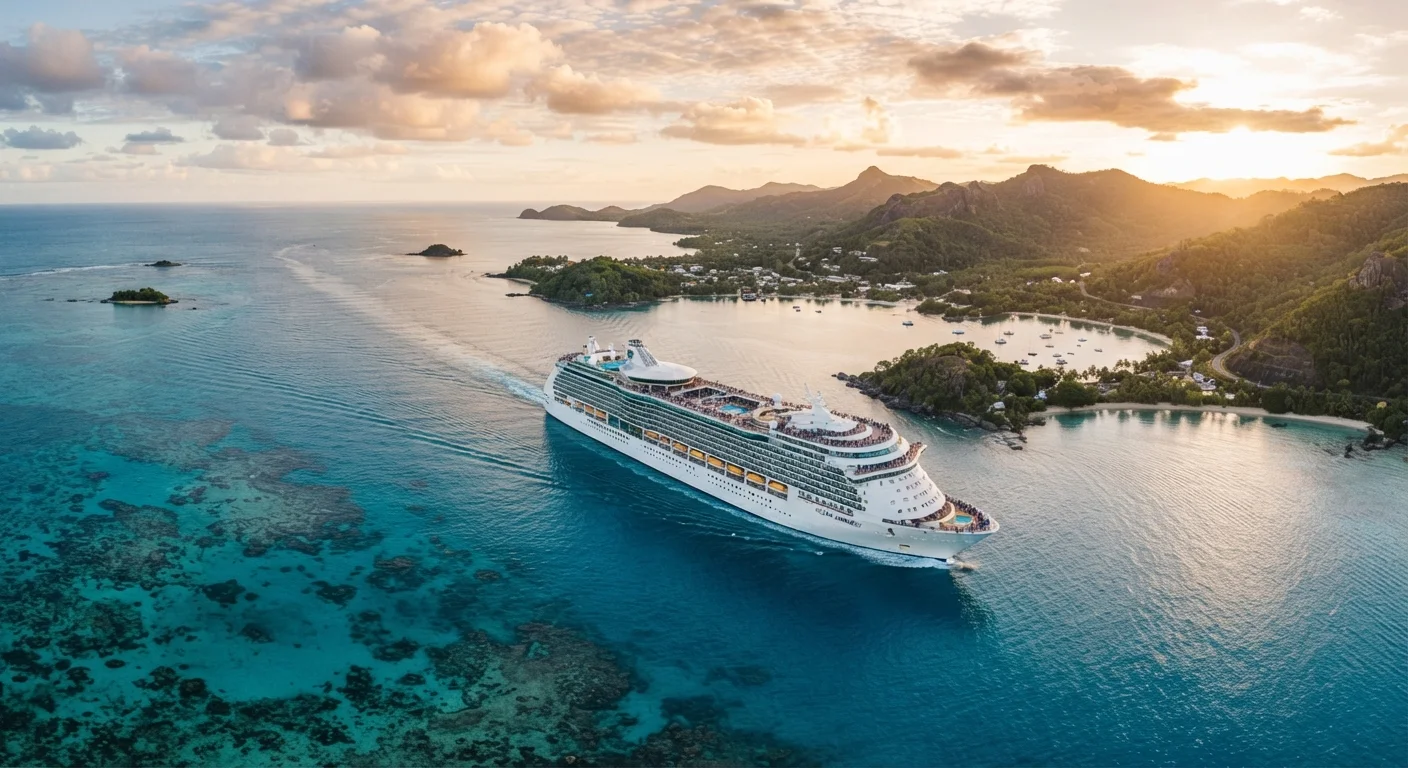
Ship size matters more than most brochures acknowledge. Large ships (carrying 3,000+ passengers) function more like floating resorts, with multiple pools, entertainment venues, and dining options that can absorb crowds reasonably well. Smaller ships feel more intimate but also more confined when the weather keeps everyone inside.
~18 million
North Americans who cruise annually
According to the Cruise Lines International Association (CLIA), North America consistently represents the largest cruise passenger market globally.
7 nights
Most common cruise itinerary length
Industry data from CLIA identifies the seven-night itinerary as the most frequently booked duration among North American cruise passengers.
3-8 hours
Typical time in port per stop
Port schedules vary by itinerary and destination, but most single-day port calls fall within this window before the ship resumes sailing.
Motion sickness is worth taking seriously. Open-ocean routes - transatlantic crossings, Alaska itineraries in fall - can involve significant swells. Even travelers who don't typically experience motion sickness can be caught off guard. Remedies range from over-the-counter medications to prescription patches, but consult a healthcare provider before your trip to find what's appropriate for your situation.
The Real Cost Breakdown
The advertised cabin fare is rarely the full cost of a cruise. Most mainstream cruise lines charge separately for alcoholic beverages, specialty restaurant dining (beyond the main dining room and buffet), Wi-Fi, gratuities, and most shore excursions. A family of four booking a mid-range Caribbean cruise might pay significantly more than the headline rate once these add-ons are factored in.
What's Usually Included vs. Extra
Standard cruise fares typically cover your cabin, buffet and main dining room meals, non-alcoholic beverages, and access to pools and basic fitness facilities. What's usually excluded: alcohol, specialty restaurants, Wi-Fi, gratuities (often $15-$20 per person per day), shore excursions, and spa services. Always read the fare breakdown carefully before comparing cruise prices against other vacation formats.
This cost structure isn't necessarily a problem - it mirrors how all-inclusive packages work in resort travel - but it requires realistic budgeting. Some lines offer bundled packages that wrap drinks, Wi-Fi, and gratuities into the fare; these can be worthwhile depending on your consumption habits, but run the numbers before assuming they're a deal.
Pros and Cons of Choosing a Cruise
Cruising has genuine strengths and genuine limitations. Understanding both before you book sets realistic expectations and helps you decide whether the format suits your travel style.
Accommodation, transport, and meals bundled together
Once aboard, you unpack once and travel to multiple destinations without rebooking hotels or arranging ground transport between stops. This simplicity is the format's core appeal.
Accessible entry point for international travel
Cruises handle many logistics - port entry, luggage in transit, meal timing - that can overwhelm first-time international travelers. They lower the organizational barrier considerably.
Variety of destinations in a single trip
A seven-night Caribbean cruise might visit three or four islands. While each stop is brief, it offers meaningful exposure to multiple places without separate bookings.
Onboard amenities rival resort-quality experiences
Larger ships include spas, fitness centers, live entertainment, and multiple dining venues. For passengers who want vacation-grade comfort at sea, the infrastructure is genuinely impressive.
Predictable daily costs once extras are budgeted
With gratuities prepaid and a drink package added, daily spending becomes easier to forecast than it would be during independent travel in unfamiliar cities.
Port time is brief and schedule is fixed
Four to eight hours ashore limits how deeply you can explore any destination. Travelers seeking genuine cultural immersion typically find cruise stops frustratingly short.
Hidden costs inflate the headline fare significantly
Gratuities, Wi-Fi, specialty dining, drinks, and excursions are typically extra. Without budgeting for these, the final cost can be substantially higher than anticipated.
Motion sickness risk on open-ocean routes
Rough seas affect passengers differently, and some itineraries cross genuinely challenging waters. It's not a universal problem, but it's an underreported one worth preparing for.
Limited flexibility once onboard
The ship's schedule is not negotiable. If you want to spend an extra day somewhere or change your plans mid-trip, that's not an option the format allows.
Crowds are inherent to the experience
Large ships carry thousands of passengers. Popular amenities - pools, specialty restaurants, shore excursion queues - can feel congested, particularly during peak sailing seasons.
Environmental and community impact considerations
Large cruise ships have documented environmental footprints, and several popular port cities have implemented or proposed restrictions on cruise passenger volumes due to overtourism concerns.
If you're weighing a cruise against other formats - particularly self-directed travel - it's useful to compare the experience against something like a road trip, where flexibility and pace are entirely in your control. For travelers new to international destinations, cruising can also serve as a lower-stakes introduction to ports you might later revisit independently - similar to how first-time travelers to complex destinations like Japan often benefit from structured exposure before going deeper. See what first-time visitors to Japan actually experience for a parallel look at expectation versus reality.