
Why Rental Listings Are Written to Attract, Not Inform
Rental listings are marketing documents first and information sources second. Landlords and property managers write them to generate inquiries, which means details that might deter renters - a street-facing bedroom, no in-unit laundry, or a $150 monthly parking fee - are routinely omitted or softened with appealing language. Understanding this dynamic is the first step toward reading any listing accurately.
The competitive rental market creates additional pressure: listings move fast, and renters who don't decode them carefully risk committing to a tour - or worse, a lease - based on incomplete information. Approaching each listing with a structured, skeptical eye levels the playing field.
Treat Omissions as Information
Experienced renters read what isn't in a listing as carefully as what is. If laundry, parking, or storage aren't mentioned, ask directly before touring. A landlord who volunteers clear answers is demonstrating the kind of transparency that matters throughout a tenancy.
Common Listing Phrases and What They Actually Signal
Certain phrases appear repeatedly in rental listings and carry predictable implications. Recognizing them lets you read between the lines before picking up the phone.
- "Cozy" or "intimate" - Almost always signals below-average square footage. Ask for exact dimensions.
- "Charming" or "character-filled" - Often describes older construction with aging fixtures, original windows, or unpredictable heating systems.
- "Renovated kitchen" - May mean new cabinet hardware and a coat of paint. Ask specifically what was updated and when.
- "Easy highway access" - Can indicate significant road noise. Check the address on a mapping tool and look at proximity to major roads.
- "Walking distance to transit" - Undefined. Ten minutes or twenty-five? Request the cross streets and time it yourself on a map.
- "Utilities included" - Confirm precisely which utilities: heat, electricity, water, and trash are each separate line items. Some landlords include water only.
- "No pets" or "pets negotiable" - "Negotiable" typically means an added deposit or monthly fee. Get the specific terms in writing.
The absence of key details is equally telling. A listing that never mentions laundry likely has none in-unit. No mention of parking in an urban area usually means street parking only. When important information is missing, treat it as a signal to ask - not as an oversight.
Evaluating Photos, Prices, and Location Claims
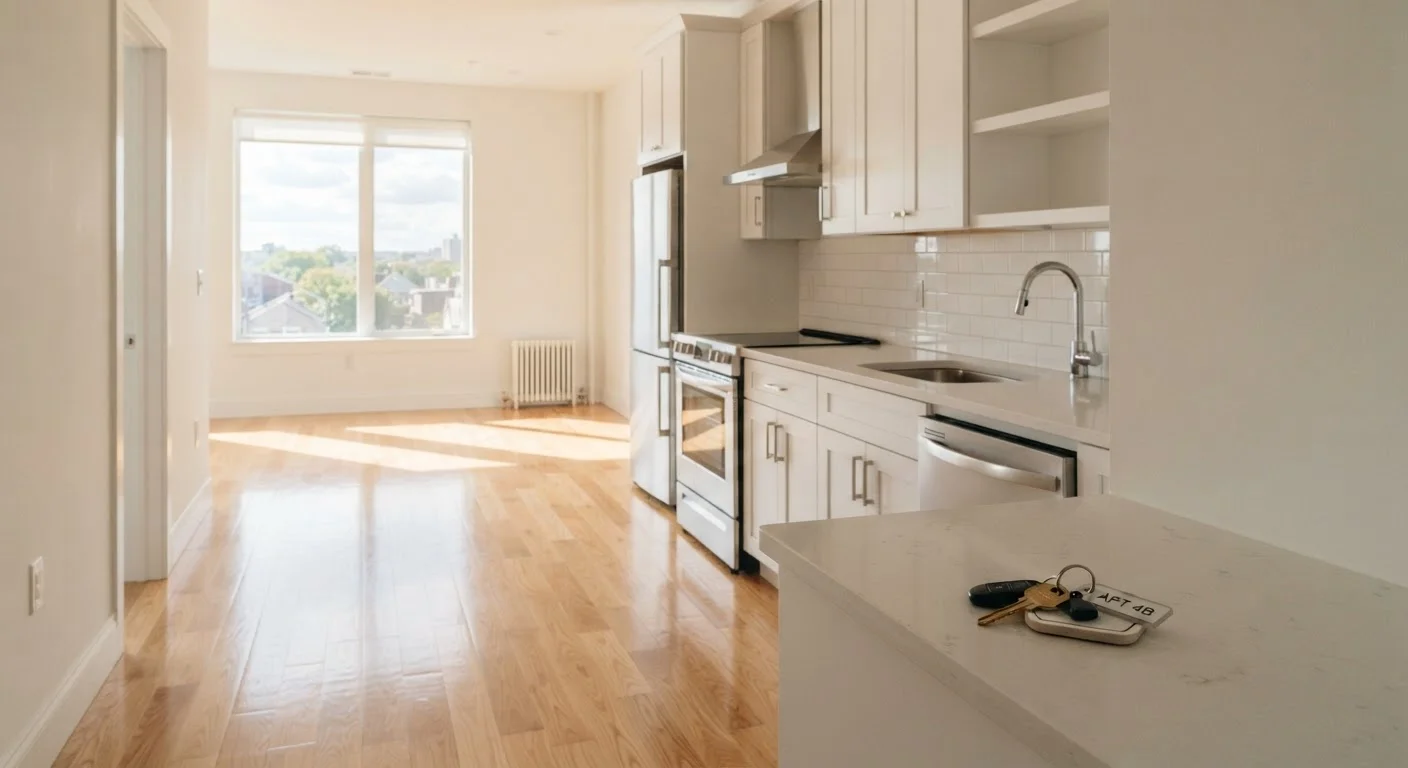
Photos in rental listings are frequently taken with wide-angle lenses, in the most flattering light, and staged with minimal furniture to exaggerate the sense of space. A bedroom that photographs as spacious may barely fit a queen bed and a dresser. Look for clues: outlets mounted low, ceiling slants suggesting a top-floor unit, or furniture that appears unusually small for the room.
On price, advertised rent is almost never the full cost. Before scheduling a tour, ask for a complete monthly cost breakdown that includes:
- Base rent
- Parking (assigned or unassigned)
- Storage fees, if applicable
- Pet fees or pet rent
- Utility estimates or flat charges
- Required renters insurance minimum
Location claims deserve the same skepticism. "Quiet neighborhood" and "up-and-coming area" are subjective. Use street-view mapping tools to assess the block, check walk scores, and look up the nearest grocery store, transit stop, and workplace commute time independently. The local housing market context can also help you judge whether the asking rent is in line with comparable units nearby.
Watch for Listings With No Address
Legitimate rental listings nearly always include a full or partial street address. A listing that provides only a neighborhood name or a vague cross-street reference - especially one asking for a deposit or personal information before a showing - warrants significant caution. Verify the property exists and is genuinely available before sharing any financial or personal details.
Step-by-Step: How to Read a Listing Before You Tour
Use the following steps each time you evaluate a rental listing. Working through them systematically takes under twenty minutes and significantly reduces the chance of wasted tours or unwelcome surprises.
Record the listing details immediately
Copy or screenshot the full listing text, all photos, and the listed price before contacting the landlord. Listings are frequently updated or removed, and having the original version protects you if advertised terms change before signing.
Identify every missing piece of information
Go through a standard checklist of what every renter needs to know: square footage, lease term, included utilities, laundry access, parking situation, pet policy, and any move-in fees or deposits. Mark every item the listing does not address. These become your questions for the landlord before you visit.
Verify the address and surroundings independently
Enter the full address into a mapping tool and use street-level imagery to review the block, neighboring buildings, and nearby streets. Confirm transit claims by timing the walk yourself. Note any industrial neighbors, highway ramps, or other noise sources that photos would not reveal.
Calculate your true monthly cost
Add together every line item beyond base rent: parking, storage, pet fees, required renters insurance, and your estimated share of any non-included utilities. Use local utility provider websites to estimate average costs for the unit type and building age. Compare this all-in figure - not the headline rent - against your budget.
Contact the landlord with specific questions before touring
Send a brief, direct message or email asking the questions your checklist identified. A landlord's responsiveness and clarity at this stage - before you have invested time in a tour - is itself a useful data point about how they handle tenant communication. If basic questions go unanswered or answers are evasive, note that carefully.
Evaluate the listing against comparable units
Search the same platform and others for similar units in the same neighborhood - comparable bedroom count, similar square footage, same general area. If the listing you are evaluating is priced significantly below market, identify the reason: it may reflect a genuine trade-off (noise, distance, condition) that the listing language downplays.
Once you have toured and are moving toward a lease, apply the same critical eye to the lease document itself. For guidance on what to look for before you sign, see our article on protecting your deposit and avoiding disputes.
This article is for general informational purposes only and does not constitute legal or financial advice. Rental regulations and tenant rights vary by state and locality. Consult a qualified professional or local tenant advocacy organization for guidance specific to your situation.