Why Lease Clauses Deserve More Attention Than They Get
Signing a lease can feel like a formality - especially when you're excited about a new apartment and eager to hand over the deposit. But a residential lease is a legally binding contract, and the fine print can have real financial and legal consequences if you're caught off guard later. Understanding your rights as a tenant is essential, but so is understanding exactly what you're agreeing to before you sign.
The clauses that cause the most problems aren't usually the dramatic ones - they're the routine provisions that seem benign until circumstances change. A job relocation, a new roommate, a dispute over a broken appliance: suddenly the exact language in your lease determines your options and your costs.
~50%
Renters who don't fully read their lease
Surveys by tenant advocacy groups consistently find that roughly half of renters admit they did not read their entire lease before signing.
30-60 days
Typical auto-renewal notice window
Most residential leases require tenants to provide written notice of non-renewal 30 to 60 days before the lease end date to avoid automatic rollover.
The mistakes below represent the provisions most commonly misunderstood by tenants - and the ones most likely to create friction, unexpected costs, or legal risk down the line.
The Lease Clauses That Most Often Trip Up Tenants
Each of the issues below reflects a pattern seen repeatedly in tenant-landlord disputes. Reading your lease with these specific provisions in mind can make a meaningful difference in how well-protected you are throughout your tenancy.
Skimming past the auto-renewal clause without understanding its deadlines.
Why it happens: Auto-renewal language is often buried in boilerplate text near the end of a lease, making it easy to overlook during a quick read.
Accepting vague or one-sided maintenance and repair language.
Why it happens: Tenants often assume a landlord is legally required to fix everything, so they don't scrutinize how repair responsibilities are defined in the lease.
Ignoring the early termination clause until a life change forces an exit.
Why it happens: Most renters sign a lease without expecting to leave early, so they give early termination terms little attention.
Misreading - or not reading - the subletting and guest policy provisions.
Why it happens: Tenants often assume that having a friend stay for a few weeks or finding a sublet while traveling is a straightforward arrangement.
Treating the security deposit clause as standard without understanding the return conditions.
Why it happens: Security deposit terms look similar across leases, leading tenants to assume their deposit is protected by common sense rather than specific written conditions.
Unenforceable Clauses Still Cause Harm
Some lease clauses are legally unenforceable under state or local law - but that doesn't mean they're harmless. Many tenants comply with illegal provisions simply because they don't know those provisions are void. Always review your lease against your state's tenant protection laws, and consider consulting a tenant's rights organization or attorney if something looks unusual.
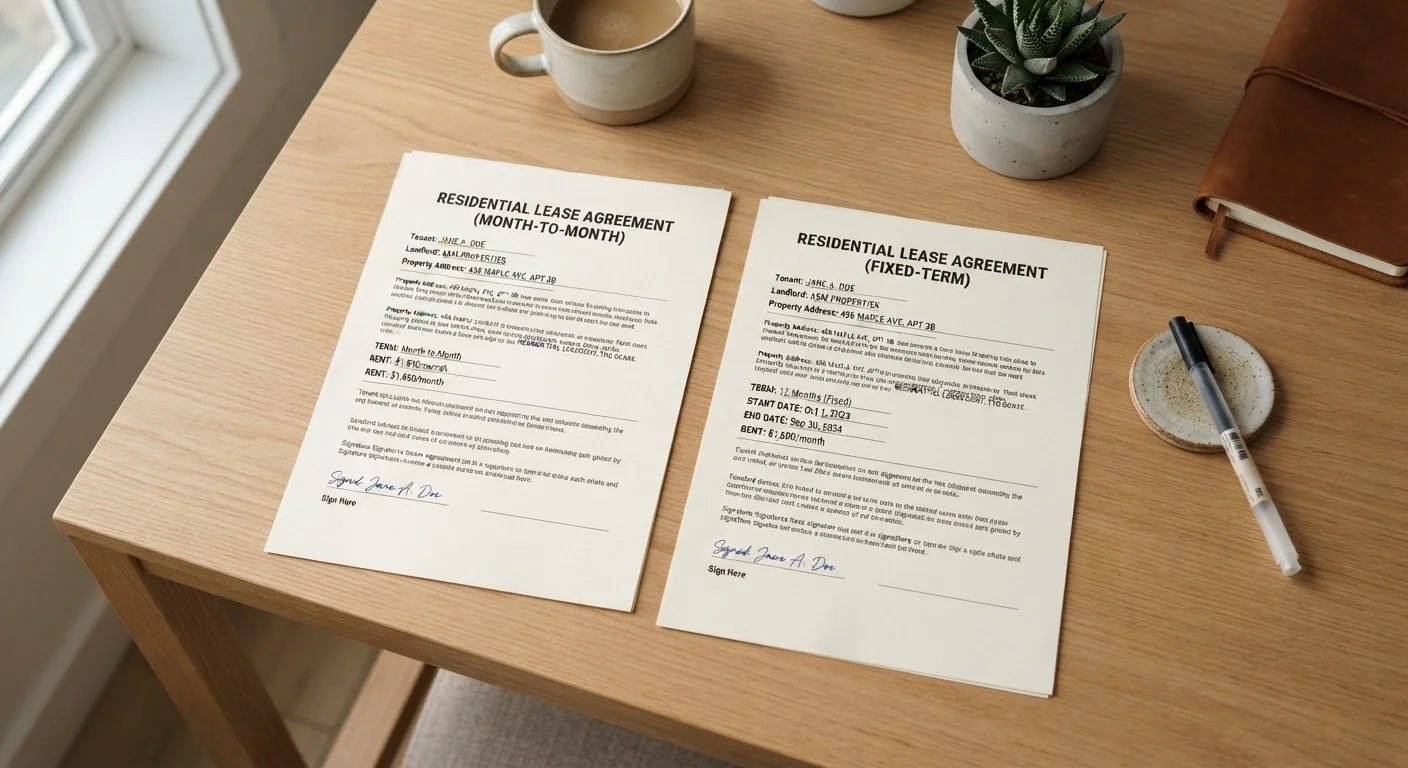
If you're weighing a month-to-month versus a fixed-term lease, keep in mind that some of these clause types - particularly auto-renewal and early termination - are specific to fixed-term agreements. And as your lease term approaches its end, brush up on how lease renewals and rent increases typically work so you're not caught off guard at that stage either.
Don't Rely on Verbal Assurances
If a landlord verbally promises that a problematic clause 'won't be enforced,' treat that promise as unreliable. Leases are legal contracts, and courts generally enforce what's written - not what was said during a showing. Any agreed exceptions or modifications should be written into the lease itself before you sign.
This article is for general informational purposes only and does not constitute legal advice. Lease laws and tenant rights vary significantly by state and municipality. Consult a qualified attorney or tenant's rights organization for guidance specific to your situation.