
Why Your Body Is Wired to Respond to Light
Humans evolved with daylight as a primary environmental cue. Before artificial lighting, the rising and setting sun organized virtually every biological process - sleep, hunger, hormone release, and cognitive function. The body still operates on this blueprint, governed by a roughly 24-hour internal clock known as the circadian rhythm.
At the center of this system is the suprachiasmatic nucleus (SCN), a tiny region in the hypothalamus that receives light signals from specialized cells in the eyes. When morning light hits those cells, the SCN triggers a cascade: melatonin production is dialed down, cortisol rises to promote wakefulness, and serotonin - a neurotransmitter tied to mood and motivation - increases.
What's notable is how large the gap is between outdoor and indoor light. A dim room may measure 100-200 lux, a brightly lit office around 500 lux, while a clear outdoor morning can reach 10,000-100,000 lux. That difference matters enormously to the circadian system, which is calibrated for natural light levels. This is part of why a consistent sleep schedule works best when combined with regular light exposure - both reinforce the same biological clock.
How Sunlight Shapes Energy and Mood
The connection between daylight and mood is not metaphorical - it's physiological. Serotonin synthesis in the brain has been shown to increase with greater light exposure. Since serotonin is also a precursor to melatonin, adequate daytime light helps ensure that melatonin rises appropriately in the evening, supporting better sleep onset.
Energy levels follow a related path. People whose circadian rhythms are well-anchored by consistent light signals tend to experience more stable alertness during the day and less afternoon fatigue. Disrupted circadian timing - from irregular schedules, shift work, or insufficient daylight - is associated with increased fatigue, irritability, and difficulty concentrating.
10-100×
Outdoor vs. indoor light intensity difference
Outdoor environments routinely measure 10,000-100,000 lux; typical indoor settings range from 100-500 lux, according to lighting research standards.
~6%
U.S. adults affected by seasonal affective disorder
Estimates from the American Academy of Family Physicians suggest SAD affects approximately 4-6% of Americans, with milder 'winter blues' affecting up to 20%.
15-20 min
Suggested minimum morning outdoor exposure
Circadian rhythm researchers, including those published in the Journal of Biological Rhythms, cite short but consistent morning light sessions as effective for clock entrainment.
For those who notice mood dipping significantly in fall and winter, the mechanism is well-studied: shorter days mean less light exposure, which can disrupt serotonin regulation and melatonin timing. Anyone experiencing persistent low mood with seasonal patterns should speak with a healthcare professional rather than self-treating.
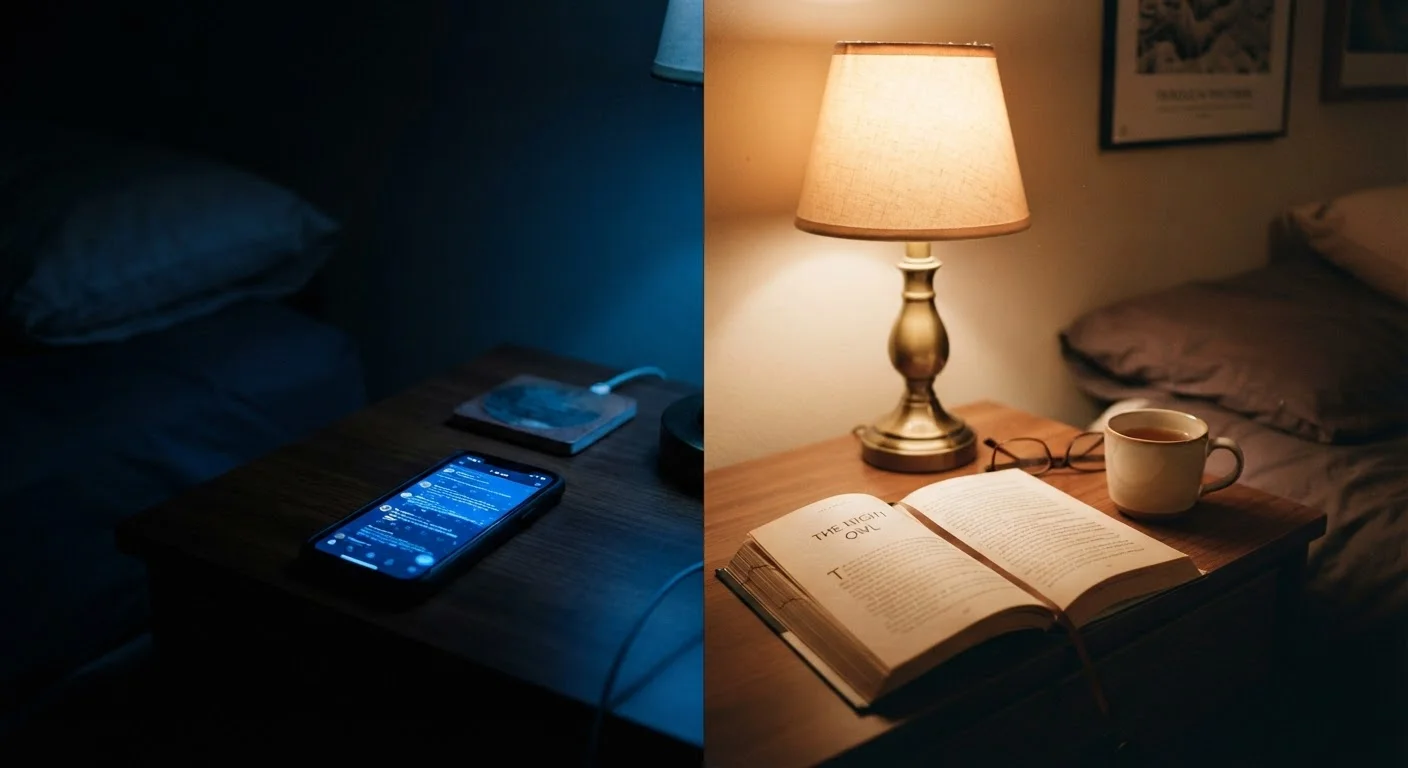
These dynamics are also relevant when you consider how light interacts with screen use. Screen light in the evening can delay the melatonin rise that natural daylight helps establish - making daytime outdoor exposure even more important as a counterbalance.
Practical Ways to Incorporate More Natural Light
No special equipment is required to take advantage of sunlight's benefits. The most effective habit is simply getting outside within the first one to two hours after waking, even briefly. A short walk, sitting on a porch, or standing in a sunny spot can all deliver meaningful light exposure to the eyes and skin.
Make It Easier: Pair Light With Something You Already Do
Attach outdoor light exposure to an existing habit - your morning coffee, walking a pet, or a midday phone call taken outside. Habit-stacking makes consistency far more likely than treating sunlight as a standalone task to remember. Even overcast days count: cloud cover still delivers far more light than indoor environments.
A few evidence-informed habits worth building into your routine:
- Go outside in the morning. Light before midday has the strongest circadian-anchoring effect. Even 10-15 minutes can make a difference on most days.
- Take outdoor breaks during the workday. A short walk during lunch provides both light exposure and movement - two factors linked to mood and energy.
- Position yourself near windows indoors. While window glass reduces light intensity, proximity to natural light is still preferable to working in interior rooms.
- Be consistent across weekdays and weekends. The circadian clock responds best to regular cues; irregular schedules undermine the benefits of occasional sun exposure.
These habits fit naturally into a broader approach to daily wellbeing. See the everyday habits linked to better emotional resilience for a wider set of low-effort practices that work alongside sunlight exposure.
This article is for general informational purposes only and does not constitute medical advice. Always consult a qualified healthcare professional for guidance specific to your health situation.