The Main Rate Types and What They Include
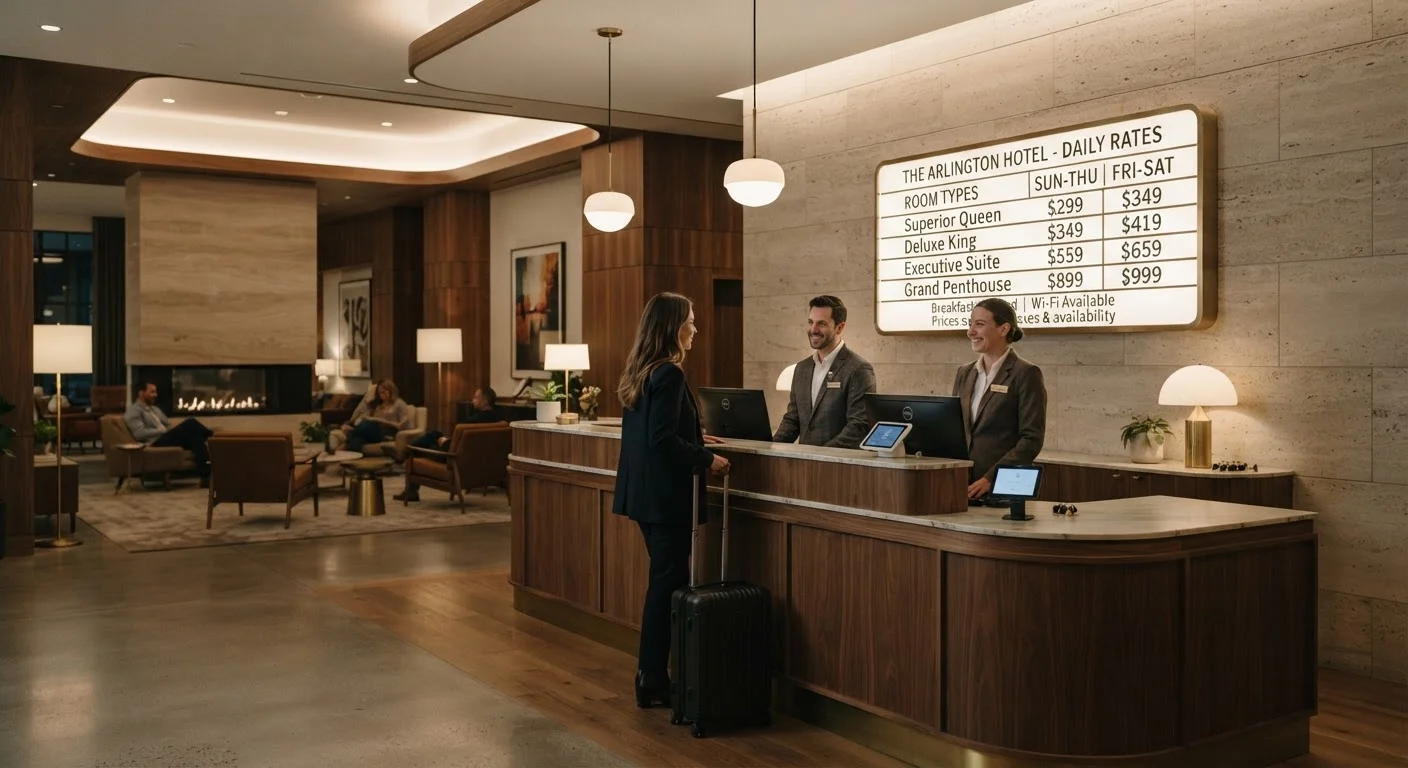
When you search for a hotel room, you rarely see just one price. Most hotels display several rate options for the same room on the same dates. Understanding what separates them is the first step to making a booking you won't regret.
Refundable (Flexible) Rates: These allow you to cancel or modify your reservation up to a defined deadline - often 24 to 72 hours before check-in - without penalty. You typically pay at check-in rather than at booking. The trade-off is a higher nightly price. These rates make sense when your travel dates are tentative or when you're booking far in advance.
Non-Refundable (Prepaid) Rates: Payment is collected immediately at booking and is forfeited if you cancel. In exchange, the rate is usually noticeably lower than the flexible equivalent. This structure rewards certainty - if you're confident your trip is happening, prepaid rates can represent genuine savings. Just be aware that even a minor itinerary change can mean losing the entire amount paid.
Partially Refundable Rates: Some hotels offer a middle tier: cancel within a specific window and you receive a partial refund; cancel outside it and you lose the full amount. Read the cancellation deadline carefully - these policies vary widely by property.
Always Check the Cancellation Deadline First
Before comparing rates by price, locate the cancellation policy for each option. A rate that saves $20 per night is a poor deal if an unexpected change means forfeiting the full booking cost. Note the exact deadline - not just whether a rate is 'refundable' - and save the confirmation details.
This same prepaid-versus-flexible dynamic appears across other service categories. All-inclusive packages operate on a similarly bundled pricing logic worth understanding before committing.
Member, Corporate, and Promotional Rates
Loyalty Member Rates: Major hotel brands operate free loyalty programs that unlock rates unavailable to the general public. These discounts are typically 5-15% below the standard rate and may include perks such as complimentary breakfast, late checkout, or room upgrades. Enrollment is usually free and instant, making this one of the easier ways to access lower pricing.
Corporate Rates: Businesses that negotiate volume contracts with hotel brands receive fixed discounted rates for employee travel. If your employer has such an arrangement, you may access these rates using a corporate code at booking. Corporate rates often include added benefits like flexible cancellation regardless of the base rate type.
Promotional and Package Rates: Hotels periodically offer time-limited promotions bundling meals, parking, or activities with the room. These can represent genuine value, but evaluate the bundle carefully - you're paying for everything included, whether you use it or not. Understanding the real trade-offs of bundled pricing applies here as much as with resort packages.
Direct Booking vs. Third-Party Sites
Hotels generally cannot offer member rates or loyalty point accrual through third-party booking platforms. If accessing a loyalty rate matters to you, booking directly through the hotel's website or app is typically required. Third-party platforms may show competitive public rates, so it's worth comparing both channels before confirming.
What's Not in the Rate: Fees, Taxes, and Add-Ons
The nightly rate displayed in search results rarely reflects what you'll actually pay. Several additional charges are standard across the hotel industry.
Resort Fees: Mandatory daily charges - typically ranging from $15 to $50 or more - cover amenities like Wi-Fi, pool use, or fitness center access. They're almost universally excluded from headline rates but appear at checkout. Always expand the full pricing breakdown before confirming.
Taxes: Hotel occupancy taxes vary by city and state and are not included in advertised rates. In some high-tourism markets, total taxes can add 15-20% to the base nightly cost.
Parking, Breakfast, and Incidentals: Many urban hotels charge separately for parking (often $30-$60 per night in major cities) and breakfast. Hotels also commonly place a temporary hold on your credit card for incidentals at check-in. This hold is released after checkout but can affect available credit during your stay.
For a broader look at how hidden costs accumulate across service categories, the framework in understanding spending categories offers useful context for building travel budgets that account for the full picture.
Hotel rate pricing follows the same yield-based logic as airline ticket pricing. If you want to understand why prices fluctuate with timing and demand, the logic behind flight pricing explains the underlying system clearly.