
What a Purchase Offer Actually Contains
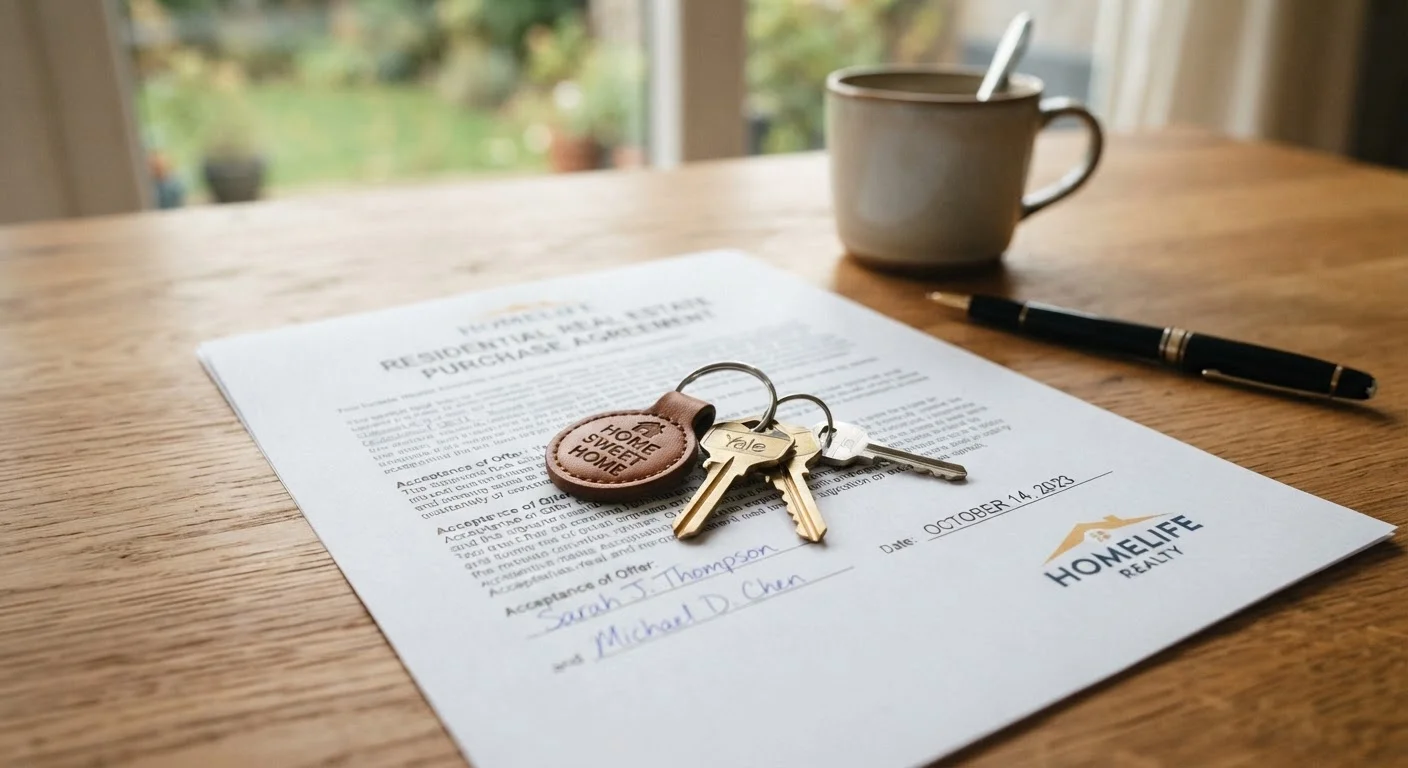
When you decide to buy a home, you don't simply tell the seller your price and shake hands. You submit a written purchase offer - a formal legal document that, if accepted, becomes a binding contract. Understanding what goes inside that document is essential before you sign anything.
A standard offer includes:
- Offer price: The amount you are willing to pay for the property.
- Earnest money deposit: A good-faith payment - typically 1%-3% of the purchase price - held in escrow while the transaction proceeds. It signals commitment and can be forfeited if you walk away without a valid contractual reason.
- Financing terms: Whether you are paying cash or obtaining a mortgage, and if the latter, the loan type (conventional, FHA, VA, etc.) and your pre-approval status.
- Contingencies: Conditions that must be met for the sale to proceed. Common contingencies include a home inspection, financing (mortgage) approval, and appraisal at or above the purchase price.
- Closing date: Your proposed timeline for transferring ownership, typically 30-60 days after acceptance.
- Personal property inclusions and exclusions: Items like appliances, window treatments, or fixtures that you expect to stay with - or leave - the home.
- Expiration date: A deadline by which the seller must respond, usually 24-72 hours.
For a broader look at what happens after your offer is accepted, see the full homebuying process from offer to closing.
What you will need
How Sellers Compare and Evaluate Offers
Sellers rarely see an offer in isolation - especially in active markets where multiple bids arrive simultaneously. Listing agents typically present all offers to the seller together, and the evaluation goes well beyond the dollar figure at the top of the page.
Financing Strength
A cash offer eliminates financing risk entirely, which is why sellers often favor it. Among financed offers, a pre-approval letter (a lender's conditional commitment based on verified income, assets, and credit) carries more weight than a pre-qualification (a looser estimate). Loan type also matters: FHA and VA loans carry government-mandated appraisal requirements and sometimes stricter condition standards, which can complicate closings on homes needing repairs. Understanding your local market conditions helps you gauge how much financing type will influence a seller's decision.
Contingencies and Risk
Each contingency gives the buyer a legal exit ramp - and sellers know it. A financing contingency protects you if your loan falls through; an inspection contingency lets you renegotiate or walk away based on findings; an appraisal contingency protects you if the home appraises below your offer price. In a competitive market, some buyers waive certain contingencies to strengthen their offer. This reduces seller risk but increases buyer risk significantly. Never waive a contingency without fully understanding the financial exposure involved.
Waiving Contingencies Carries Real Financial Risk
In competitive markets, buyers sometimes waive the inspection or appraisal contingency to make their offer more attractive. This strategy can work, but it removes your primary legal protections. If you waive an inspection contingency and the home has significant hidden defects, you may have little legal recourse after closing. Consult your real estate attorney before removing any contingency from your offer.
Closing Timeline
Sellers often have their own timeline pressures - they may need a quick close to fund another purchase, or they may need extra time to relocate. An offer that aligns with the seller's preferred closing date can be more attractive than a higher-priced offer on an inconvenient schedule. Ask your agent to inquire about the seller's timeline before you submit.
Earnest Money Amount
A larger earnest money deposit demonstrates that you are serious and financially prepared. In competitive situations, offering above the customary amount can differentiate your offer - though that money is at risk if you back out without a contractual right to do so.
Your buyer's agent is your primary guide through this process. For a detailed breakdown of that role, see what a real estate agent actually does for a buyer.
Steps to Submitting a Strong Offer
Follow these steps carefully to put your best offer forward while protecting your financial interests.
Get a mortgage pre-approval letter
Before submitting any offer, obtain a pre-approval letter from a lender. This requires a credit check and verification of your income, assets, and debts. A pre-approval tells sellers you have already cleared a meaningful financial hurdle and that your financing is likely to come through.
Research comparable sales to set your offer price
Work with your buyer's agent to review recent sales of similar homes (called comparables or comps) in the same neighborhood. This data anchors your offer price to market reality and helps you decide whether the asking price is fair, high, or low. See the data points serious homebuyers monitor before placing a bid.
Decide which contingencies to include
Discuss with your agent which contingencies are essential given your situation and the market conditions. At minimum, most buyers should retain a financing contingency and a home inspection contingency. An appraisal contingency is especially important when you are borrowing and the home's value is uncertain.
Determine your earnest money deposit amount
Set an earnest money amount that demonstrates commitment without overexposing you to risk. In most markets, 1%-3% of the purchase price is customary. In highly competitive markets, buyers sometimes offer more to stand out. Confirm with your agent what is typical in your area.
Propose a closing date that works for the seller
Ask your agent to find out whether the seller has a preferred closing timeline. If possible, structure your closing date around their needs. Sellers motivated by timing may accept a slightly lower offer if it comes with a closing date that fits their schedule.
Review and submit the offer with your agent
Read the entire offer document carefully before signing. Your agent will submit it to the listing agent along with your pre-approval letter and earnest money instructions. Set your offer expiration to give the seller enough time to consider it - typically 24 to 48 hours - without leaving it open so long that market conditions could shift.
This article is for general informational and educational purposes only and does not constitute legal, financial, or real estate advice. Real estate transactions vary significantly by state, locality, and individual circumstance. Consult a licensed real estate professional and, where appropriate, a qualified attorney or financial adviser before making decisions related to a home purchase.